
· Travel · 5 min read
Aoufous Village Ziz Valley: Oasis Walk and Village Guide
Visit Aoufous village in the Ziz Valley: oasis walks, ksar lanes, old water channels and mint tea. Plan your stop here.
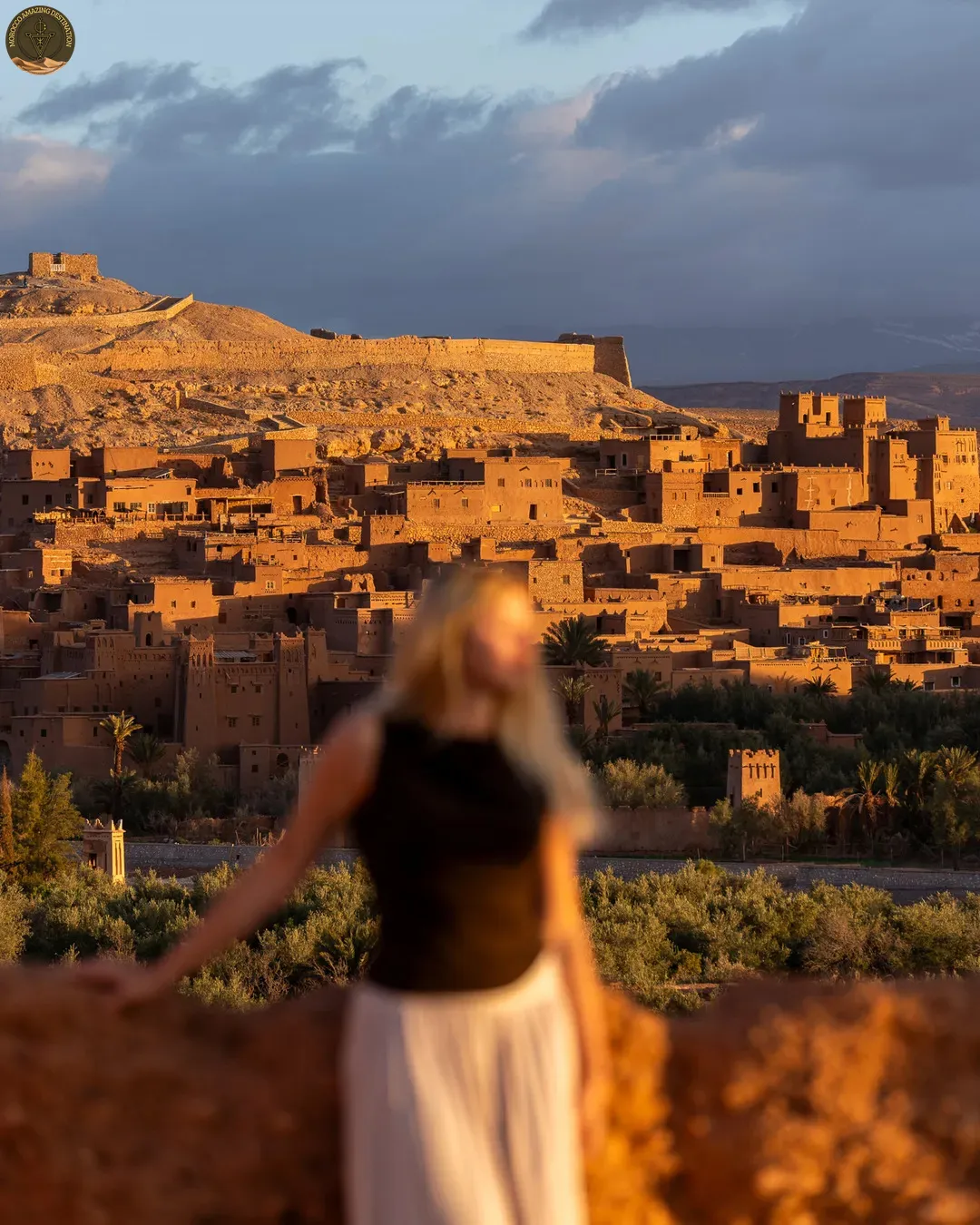
Most travelers cross the Ziz Valley without stopping. They photograph the green ribbon of palms from a viewpoint, then drive on toward the dunes. The Aoufous village Ziz Valley stop changes that pace. It puts you inside the grove, on foot, between water channels and garden walls. You leave with dust on your shoes and dates in your pocket.
In this guide, we will break down where Aoufous sits, what an oasis walk covers, and how you can visit it on your next trip.
Aoufous in the Ziz Valley Palm Belt
Aoufous is a rural commune in Errachidia Province, strung along the N13 between Errachidia and Erfoud. It sits roughly 20 to 40 kilometers south of Errachidia and about 40 kilometers north of Erfoud. The village marks the point where the valley floor turns fully green.
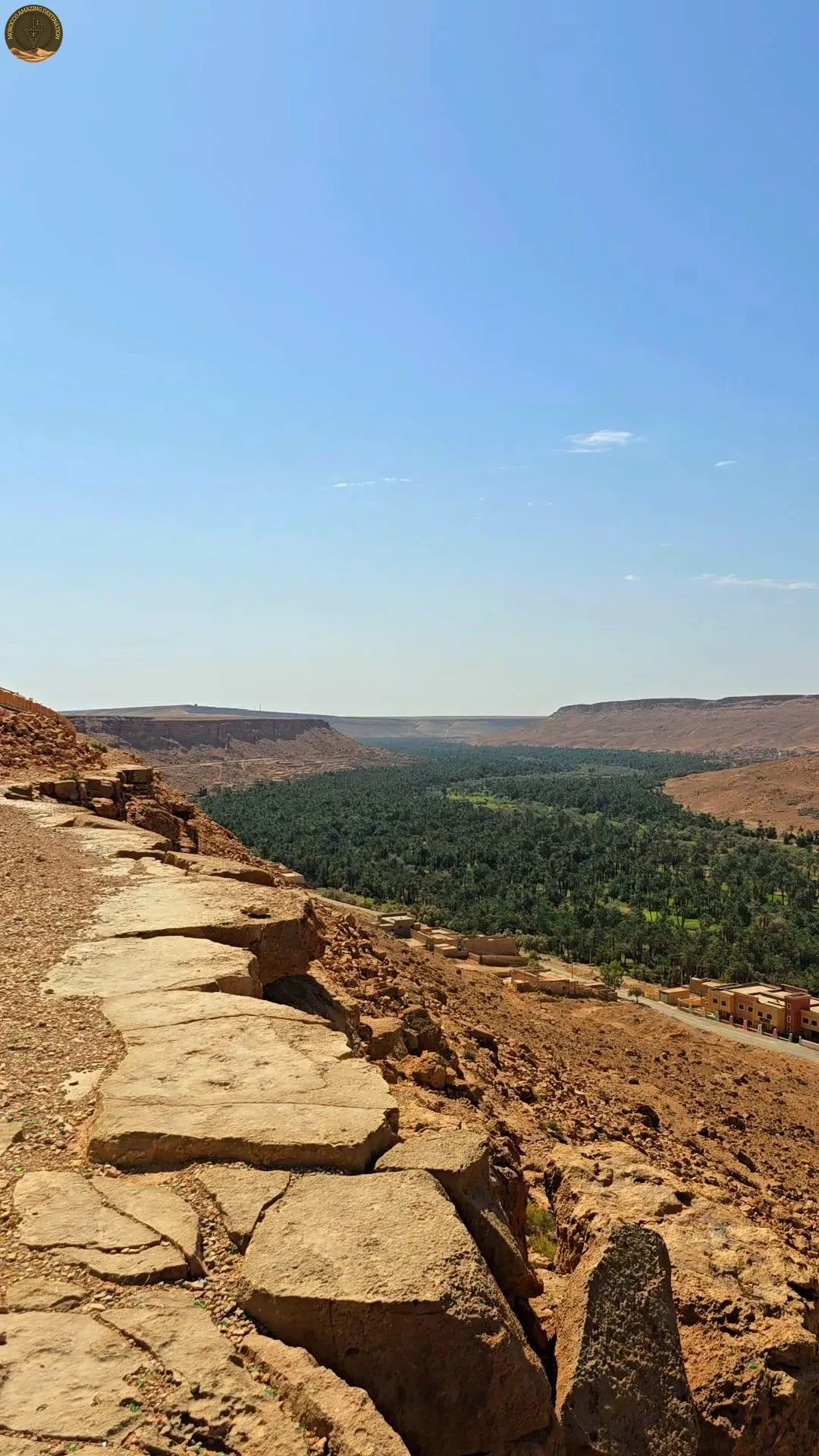
The Oued Ziz runs for about 280 kilometers from the hills near Rich. Its palm belt stretches for around 125 kilometers south. The Hassan Addakhil dam upstream steadies the flow that feeds these groves. Aoufous sits near the middle of that belt, which makes it a natural pause on Fes to Merzouga road days. Drivers know the wide lay-bys where a van can pull fully off the road.
Before dropping into the village, stop at the rim viewpoint above the palms. Morning and late afternoon give the softest light across the grove. Midday summer heat is fierce, so keep the walk for the cooler hours. For the full road context, pair this stop with our Ziz Valley oasis drive guide.
Walking the Oasis: What Grows in Aoufous
An Aoufous oasis walk follows flat paths between garden plots. A local guide leads the way, greeting farmers and opening gates as you go. Expect shade and birdsong, with water running somewhere close. The paths stay level, so most walkers find the pace easy.
Farmers stack three layers in the same plot. Date palms rise on top while fruit trees fill the middle. Cereals and vegetables cover the ground below. Each layer shades the one beneath it, which locks moisture into the soil. Guides often cut a fresh date or fig for you to taste in season.
What to look for on the path:
- Mejhoul and Boufeggous dates: Tall palms carry the valley’s best known harvests, picked in autumn.
- Fig, pomegranate and olive trees: These fill the middle layer and feed family tables.
- Barley, alfalfa and vegetables: Ground plots change with the season and the water turn.
- Tafilalt date heritage: This region holds close to a third of the country’s date palms.
Water in the Oasis: Seguia Channels and Khettara
Nothing in Aoufous grows without managed water. Releases from the upstream dam feed a web of small channels. Every garden gets its turn, and your guide can show you a divider in action. Watch how fast a full channel runs right after a release.
Older systems still work beside the dam network. The Meski spring feeds part of the grove from below. Khettara tunnels tap groundwater by gravity and need regular care by hand. Some are still maintained that way today.
How the sharing works:
- Seguia channels: Small earth channels carry dam water from plot to plot.
- Nouba water turns: Families take water in rotation, each with a fixed slot.
- Khettara tunnels: Sloped tunnels move groundwater without pumps or fuel.
- Meski spring: A natural spring nearby tops up the whole system.
Ksar Lanes and Kasbah Walls on Foot
The village streets deserve as much time as the grove. A ksar is a fortified village with shared walls and tight lanes. A kasbah is a single family fortress house. Aoufous holds both forms, all built in rammed earth. Door knockers and tiny windows show how families guard shade and privacy.
Walk slowly and keep your voice down in the lanes. Pise walls glow in low sun and suffer in heavy rain. Ask before photographing people, and step aside for loaded donkeys. Children may offer to show you around, and a small tip thanks them.
Lane walk cues:
- Pise and adobe walls: Layered rammed earth shows in the lane walls and needs steady repair.
- Heavy wooden doors: Carved doors mark family homes and old storage rooms.
- Covered passages: Short tunnels cool the lanes and link neighbor to neighbor.
- Go with a local: A village guide opens doors that stay shut to passing cars.
Tea, Daily Rhythm and Fitting Aoufous Into Your Route
Tea closes most visits here. Families welcome travelers with mint tea and dates from the grove. The talk around the glasses teaches more than any signboard could.

Daily life follows the water turns and the heat. Mornings belong to the fields while afternoons slow down. A weekly souk brings nearby villages together, so ask your host for the day. Evenings cool quickly and the lanes fill again before sunset. Pack a scarf and water even for a short loop.
Allow one to three hours for the walk and the lanes. Aoufous fits between Midelt and Erfoud on Fes to Sahara routes. It also sits just north of Erfoud, the Sahara gateway, which makes the two easy to combine. Anyone listing things to do in Aoufous can cover the walk, the lanes, and tea in half a day.
Most visitors meet Aoufous on the road between Fes and the dunes. Our 3-Day Desert Tour from Fes to Merzouga passes through the valley with time for village stops. The 4-Day Desert Tour from Fes to Marrakech leaves extra room for a slower oasis walk. Both run private with a local driver, so the Aoufous stop bends to your pace. Ask us to fold the walk into any private itinerary.
We can customize a tour to match your needs - design your perfect itinerary
If you found this helpful, add us as your preferred source on Google.
Frequently Asked Questions
Where is Aoufous and how do I get there?
Aoufous stands on the N13 between Errachidia and Erfoud, about 40 kilometers north of Erfoud. Most visitors arrive by private car or tour vehicle on a Fes to Merzouga route. A local driver handles the viewpoint pull-offs and the village tracks.
What will I see on a palmerie walk in Aoufous?
Shaded paths between walled gardens, layered plots of date palms, fruit trees and vegetables, plus water channels and village lanes. Guides often share fresh fruit in season and explain who farms each plot.
How does irrigation work in the Aoufous oasis?
Dam releases upstream feed seguia channels, and families take water in nouba rotation turns. Older khettara tunnels and the Meski spring still support parts of the grove. Your guide can point out a divider and a working channel.
How long should I stop in Aoufous, and how is it different from Erfoud?
Allow one to three hours for the grove walk, the ksar lanes and tea. Aoufous is a living farming village, while Erfoud is a larger market town known as a Sahara gateway. Many travelers pair both on the same road day.
Ready for an Adventure?
Have questions? Feel free to contact us using the form below. We're here to help!