
· Travel · 5 min read
Desert Wild Animals in Morocco: Sahara Species Guide
Discover desert wild animals in Morocco, from fennec foxes to sand cats. Learn where to spot Sahara wildlife and how to plan your trip.
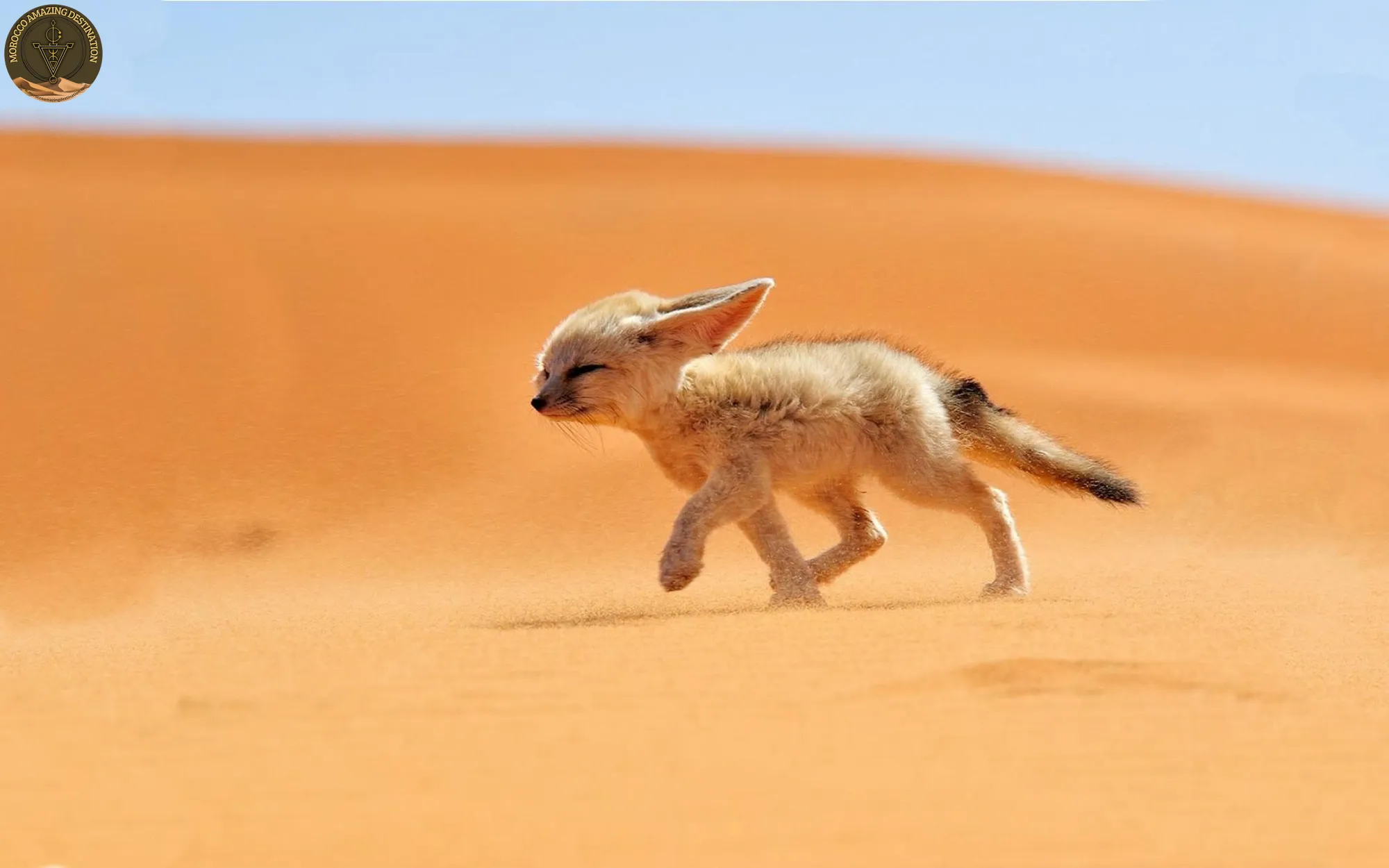
Morocco’s Sahara Desert is home to some of the most resilient creatures on the planet. From the oversized ears of the fennec fox to the silent ambush of the horned viper, desert wild animals in Morocco have evolved remarkable ways to survive extreme heat and scarce water. If you are planning a trip to the dunes near Merzouga or Zagora, knowing what to look for can turn a scenic camel ride into a genuine wildlife encounter.
In this guide, we will break down the most iconic desert animals in Morocco’s Sahara, explain where and when you can spot them, and highlight the conservation efforts that protect these species.
Iconic Desert Mammals of the Moroccan Sahara
The fennec fox is the most recognizable creature in the Moroccan desert. Weighing just 1.5 kilograms, it is the smallest canid in the world. Its oversized ears — up to 15 centimeters long — dissipate heat and amplify the faint sounds of prey moving underground. Fennec foxes are nocturnal and most commonly seen in the Erg Chebbi dunes near Merzouga.
The sand cat is equally remarkable. It is the only wild cat fully adapted to true desert life. Thick fur on its paws acts as insulation against scorching sand, while its wide, flat skull amplifies sound to detect rodents beneath the surface. Sand cats have been documented in the Atlantic Sahara near Dakhla, though they remain extremely elusive.
The jerboa rounds out the trio of iconic Morocco desert species. This long-legged hopping rodent is nocturnal and obtains all its moisture from the insects and seeds it eats — a vital adaptation in a landscape with no standing water.
Key desert mammals:
- Fennec fox: world’s smallest canid, nocturnal, found in Erg Chebbi dunes
- Sand cat: only desert-adapted wild cat, furry paw pads, rarely seen
- Jerboa: long-legged hopping rodent, gets all water from food
Reptiles, Scorpions and Insects of the Sahara
Morocco’s desert reptiles are masters of camouflage. The horned viper is perhaps the most famous — a venomous ambush predator that buries itself in sand and waits for prey to pass overhead. Encounters are rare, but knowing they exist adds a layer of thrill to any dune walk in the Sahara.
Desert monitor lizards and several gecko species inhabit the sandy regions, though they are seldom seen by casual visitors. Geckos are more likely to appear near desert camps at night, drawn by insects around lanterns.
Scorpions are part of the desert ecosystem and are more commonly encountered after dark. Several species are venomous, so wearing closed shoes and using a flashlight during evening walks is a sensible precaution for any Sahara traveler.
The darkling beetle, another desert survivor, has evolved a remarkable water-harvesting technique — its bumpy shell channels morning dew toward its mouth, allowing it to thrive where few other insects can.
Desert reptiles and arthropods:
- Horned viper: venomous ambush predator, buries itself in sand
- Desert monitor lizard: large, well-camouflaged predator
- Geckos: small, nocturnal, often found near desert camps
- Scorpions: multiple species, active after dark
Desert Birds and Apex Predators
The pharaoh eagle-owl ranks among the Sahara’s most impressive predators. This large nocturnal raptor hunts across open desert, preying on small mammals including fennec foxes. Its deep, resonant call echoes across the dunes at night — a sound many desert travelers remember long after their trip.
The African golden wolf, sometimes called the Saharan wolf, has expanded into Morocco’s desert regions. This adaptable predator and scavenger can occasionally be spotted near the edges of dune fields, particularly at dawn and dusk when it forages across the open plain.
The desert horned lark and sand partridge add subtle birdlife to the arid plains. While they lack the drama of the eagle-owl, they contribute to the surprising biodiversity hidden within what may appear to be an empty landscape. Together, these birds and predators make Sahara desert wildlife in Morocco far richer than most visitors expect.
Conservation Challenges in the Moroccan Sahara
Morocco’s desert wildlife faces significant threats. The dorcas gazelle — an endemic subspecies — is critically endangered in the country, with roughly 95 individuals remaining in the M’Sabih Talaa Reserve. The addax, a critically endangered desert antelope, is the focus of reintroduction efforts across North Africa.
Human activity, habitat fragmentation, and historical overgrazing have driven many species toward decline. Climate change adds further pressure, with rising temperatures reducing water availability and altering vegetation patterns across the Sahara.
Conservation programs, including protected reserves and community monitoring, work to reverse these trends. Travelers who choose responsible desert tours help sustain local economies that support wildlife protection. Understanding the fragility of these ecosystems deepens the experience of visiting the Sahara.
Where and When to See Desert Wildlife
The best locations for spotting desert wild animals in Morocco include:
- Erg Chebbi near Merzouga — the most accessible dune field, known for fennec fox sightings
- Erg Chegaga near Zagora — wilder and less visited, with more intact habitat
- Draa Valley — an oasis corridor rich in birdlife and reptile diversity
- Tafilalet — an important region for desert mammals and the dorcas gazelle
The optimal season runs from October to April, when cooler temperatures make nocturnal animals more active. Night excursions with local guides offer the best chance of encountering fennec foxes, jerboas, and other elusive species.
Summer months bring extreme heat that drives wildlife deeper into hiding, making sightings unlikely and conditions harsh even for experienced desert travelers. Plan your visit during the cooler months for the most rewarding wildlife experience.
For a guided desert wildlife adventure, our 3-Day Desert Tour from Fes to Merzouga takes you through the Middle Atlas and into Erg Chebbi, where evening and morning wildlife spotting are part of the itinerary. The 4-Day Morocco Desert Tour from Marrakech covers Draa Valley and Zagora for more time in the dunes and more chances to encounter desert species.
We can customize a tour to match your needs — design your perfect itinerary
If you found this helpful, add us as your preferred source on Google.
Frequently Asked Questions
What desert wild animals can you see in Morocco?
Morocco's Sahara is home to fennec foxes, sand cats, jerboas, horned vipers, scorpions, pharaoh eagle-owls, and dorcas gazelles. Many of these species are nocturnal, so guided night excursions offer the best chance of spotting them.
Can you see fennec foxes in the Moroccan Sahara?
Yes. Fennec foxes are found throughout the Moroccan Sahara, with the Erg Chebbi dunes near Merzouga being the most reliable location. They are nocturnal, so evening and early morning outings with a local guide give you the best chance of a sighting.
Are there dangerous animals in Morocco's desert?
The horned viper is venomous but rarely encountered. Scorpions are more common and some species are venomous, so wearing closed shoes at night is recommended. Desert wildlife generally avoids humans, and serious incidents are extremely rare.
What is the best time to see wildlife in Morocco's desert?
The best season is from October to April, when cooler temperatures make nocturnal animals more active. Night excursions during these months offer the highest chance of spotting fennec foxes, jerboas, and other elusive desert species.
Ready for an Adventure?
Have questions? Feel free to contact us using the form below. We're here to help!