· Travel · 8 min read
Is Morocco Safe for Americans? Your Complete Safety Guide for US Citizens
Planning a trip from the USA to Morocco? Discover why Morocco is safe for American travelers, essential safety tips, and everything US citizens need to know for a worry-free adventure in North Africa.
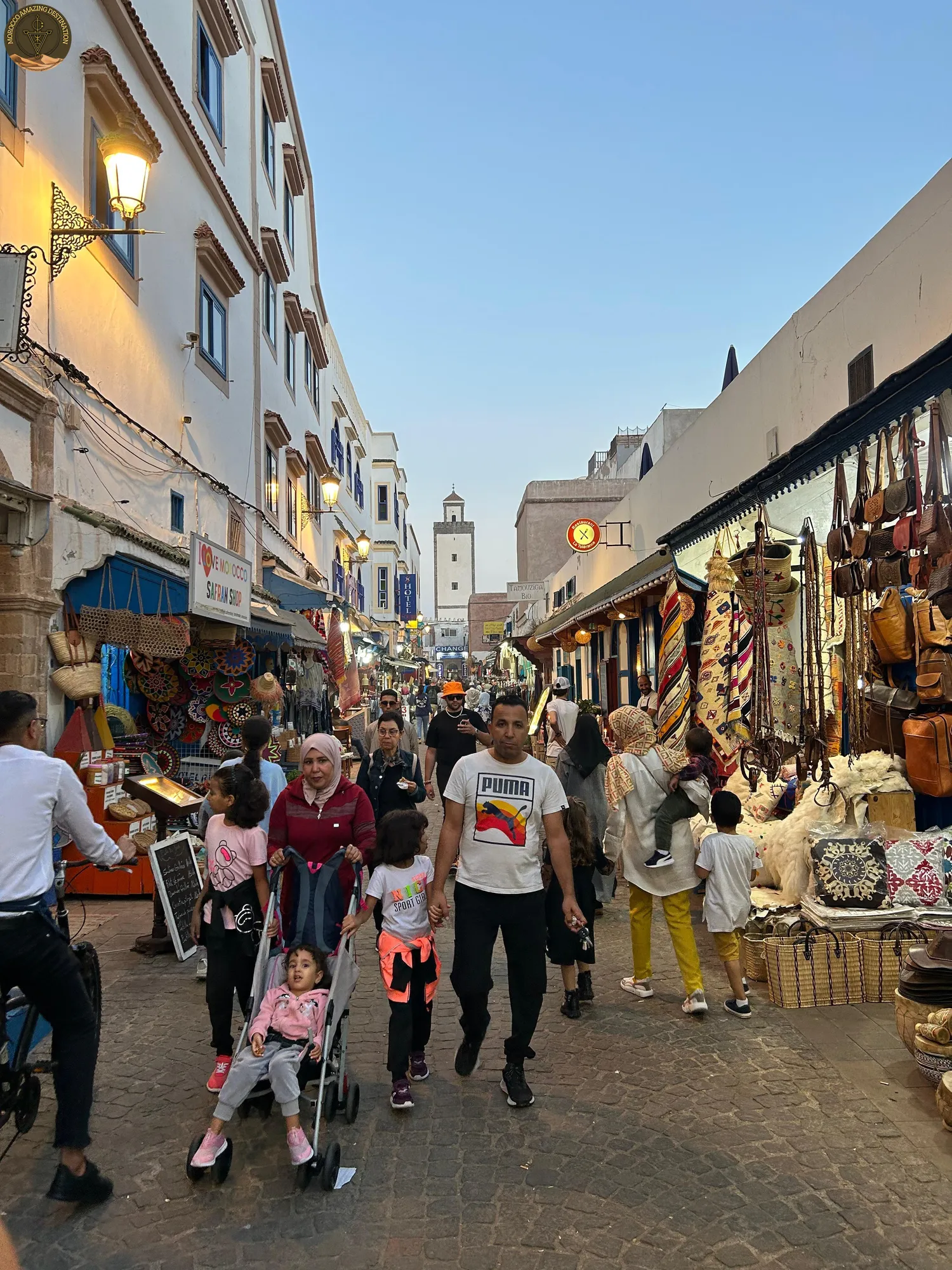
Is Morocco safe for Americans? This question tops the list for countless US travelers dreaming of exploring the vibrant souks of Marrakech, camping under Saharan stars, or wandering the blue streets of Chefchaouen. If you’re an American citizen planning your first trip to this North African gem, you’ll be pleased to know that Morocco ranks among the safest countries in Africa and the Middle East for international visitors.
With millions of tourists arriving each year—including a growing number of Americans—Morocco has developed world-class tourism infrastructure while maintaining its authentic cultural charm. This comprehensive guide addresses everything American travelers need to know about safety, from current travel advisories to practical tips for navigating Moroccan cities with confidence.
Morocco Safety Overview for American Travelers
The United States Department of State currently lists Morocco as a Level 1 destination, which means “Exercise Normal Precautions.” This is the lowest advisory level, placing Morocco among the safest countries for American tourists alongside most Western European nations.
Why Morocco Is Safe for Americans:
- Stable Government: Morocco enjoys political stability uncommon in the region
- Pro-Tourism Policies: Tourism generates billions annually; visitor safety is a national priority
- Low Violent Crime: Violent crime against tourists is extremely rare
- English-Friendly Tourism: Major tourist areas increasingly accommodate English speakers
- Strong US-Morocco Relations: The two countries maintain excellent diplomatic ties
Understanding the Current Travel Advisory
American travelers should always check the latest State Department travel advisories before departure. As of now, Morocco maintains its Level 1 status, though the government recommends standard precautions like avoiding demonstrations and registering with the STEP program (Smart Traveler Enrollment Program) for emergency updates.
Is Morocco Safe for Different Types of American Travelers?
Solo American Travelers
Solo travel from the USA to Morocco has surged in popularity, particularly among younger Americans seeking authentic cultural experiences. The country is well-equipped for independent travelers:
- Backpacker Infrastructure: Hostels, budget riads, and shared tours abound in major cities
- Transportation Networks: Reliable trains, buses, and domestic flights connect major destinations
- Digital Nomad Hubs: Cities like Marrakech and Taghazout offer coworking spaces and expat communities
- Safety Networks: Online communities of American travelers share real-time advice
Solo Travel Tips for Americans:
- Share your itinerary with friends or family back home
- Join Facebook groups for American travelers in Morocco
- Book group tours for desert and mountain excursions
- Learn basic Arabic phrases (“La, shukran” means “No, thank you”)
American Families
Morocco surprises many American families with its child-friendly atmosphere. Moroccan culture adores children, and families will find locals incredibly welcoming:
- Family Accommodations: Many riads offer family rooms or connecting suites
- Child-Friendly Attractions: Camel rides, henna painting, and cooking classes engage all ages
- Safe Environments: Tourist areas are well-patrolled and secure
- Flexible Dining: Most restaurants accommodate children’s preferences
Family Safety Tips:
- Keep children close in crowded medinas and souks
- Pack familiar snacks and medications from home
- Schedule downtime to prevent overtired kids
- Choose private tours for more flexibility
American Women Travelers
Female travelers from the USA often report feeling safe in Morocco, though cultural differences require awareness:
- Dress Code: Cover shoulders and knees; loose-fitting clothing attracts less attention
- Solo Female Networks: Connect with other American women through travel forums
- Female Guides: Consider hiring female guides for cultural sites
- Confidence: Walk with purpose and don’t hesitate to decline unwanted attention politely
American Seniors
Morocco caters well to older American travelers seeking cultural immersion without extreme adventure:
- Accessible Tours: Many operators offer slower-paced itineraries
- Comfortable Accommodations: Riads and hotels provide modern amenities
- Medical Facilities: Quality healthcare is available in major cities
- Cultural Richness: History, architecture, and cuisine appeal to mature travelers
Common Safety Concerns for Americans in Morocco
Petty Crime and Scams
Like any tourist destination worldwide, Morocco has opportunistic scammers targeting visitors. Americans should be aware of:
Pickpocketing:
- Most common in crowded areas like Jemaa el-Fnaa square
- Keep wallets in front pockets or use money belts
- Be extra vigilant in busy souks and markets
Common Scams:
- The “Helpful” Local: Someone offering unsolicited directions often expects payment
- Closed Monuments: False claims that attractions are closed to redirect you to shops
- Fake Guides: Unlicensed guides offering tours without official credentials
- Overcharging: Some vendors inflate prices for tourists; always negotiate
How Americans Can Avoid Scams:
- Agree on prices before accepting services
- Use official guides booked through hotels or licensed operators
- Trust your instincts—if something feels wrong, walk away
- Research typical costs before shopping or hiring services
Traffic and Transportation Safety
Moroccan traffic operates differently than American roads, requiring adjustment:
Driving in Morocco:
- Traffic laws exist but aren’t always followed
- Roundabouts require aggressive entry; don’t hesitate
- Pedestrians have minimal right of way
- GPS is essential; road signs may be in Arabic and French
Recommended Transportation:
- Trains: ONCF trains are safe, comfortable, and affordable
- CTM Buses: Reliable intercity bus service with online booking
- Registered Taxis: Look for official petit taxis (small, metered) and grand taxis (shared long-distance)
- Private Drivers: Many Americans hire drivers for comfort and local knowledge
Health and Medical Safety
Before You Go:
- No special vaccinations required for Americans beyond routine immunizations
- Travel insurance with medical evacuation coverage is strongly recommended
- Pack prescription medications in original containers with copies of prescriptions
- Consider a basic first aid kit
Food and Water Safety:
- Drink only bottled water—even for brushing teeth
- Eat at busy restaurants with high turnover
- Street food is delicious but choose vendors with long lines
- Peel fruits or wash thoroughly with purified water
Medical Facilities:
- Major cities (Marrakech, Casablanca, Fes) have modern, well-equipped hospitals
- Many doctors speak English, especially in tourist areas
- Rural areas have basic facilities; evacuation insurance is crucial
Cultural Considerations for American Travelers
Understanding Moroccan culture enhances both safety and experience:
Dress Code
- Modesty matters: Cover shoulders, chest, and knees, especially outside beach resorts
- Beachwear: Appropriate at resorts and private beaches, cover up when leaving
- Religious Sites: Remove shoes when required; women should cover hair in some mosques
Social Etiquette
- Photography: Always ask permission before photographing people
- Religious Sensitivity: Avoid public displays of affection
- Ramadan: If visiting during Ramadan, avoid eating, drinking, or smoking in public during daylight hours
- Alcohol: Legal but consume discreetly outside tourist areas
Communication
- Languages: Arabic and Berber are official; French is widely spoken; English is increasingly common in tourism
- Greetings: Handshakes are standard; use your right hand
- Haggling: Expected in souks; start at 40-50% of asking price
Regional Safety for Americans
Marrakech
The most popular destination for Americans, Marrakech is very safe in tourist areas. The medina can feel overwhelming with persistent vendors, but violent crime is virtually nonexistent. Stick to well-lit areas at night and use official guides for your first visit.
Fes
The ancient medina is a labyrinth requiring navigation skills. Many Americans hire official guides for their first visit. Be cautious of children offering directions—they often expect payment.
Chefchaouen
One of Morocco’s safest cities, this blue mountain town offers a relaxed atmosphere perfect for American travelers seeking tranquility.
Merzouga and the Sahara
Desert camps are extremely safe when booked through reputable tour operators. Never venture into the desert alone without proper equipment and guides.
Casablanca
Morocco’s largest city requires standard big-city awareness. The Hassan II Mosque area and Corniche are safe and heavily touristed.
Practical Safety Tips for Americans
Before Your Trip
- Register with the STEP program for embassy updates
- Share detailed itineraries with family
- Make copies of your passport and important documents
- Notify your bank of international travel to prevent card blocks
- Download offline maps and translation apps
During Your Stay
- Carry small bills for tips and small purchases
- Keep a low profile with expensive cameras and jewelry
- Stay hydrated, especially in summer months
- Use sunscreen—the African sun is intense
- Trust your gut instinct
Emergency Information
- Police: 19
- Ambulance: 15
- Fire: 15
- US Embassy Rabat: +212 537 637 200
- Tourist Police: Available in major tourist areas
Seasonal Safety Considerations
Summer (June-August)
- Extreme heat in desert regions—avoid midday sun
- Coastal areas offer cooler alternatives
- Ramadan sometimes falls in summer—plan accordingly
Winter (December-February)
- Cold desert nights require warm clothing
- Fewer crowds create more relaxed experiences
- Ideal for city exploration
Spring and Autumn
- Perfect weather throughout the country
- Peak tourist seasons—book accommodations early
- Ideal for desert excursions
Money and Financial Safety
Currency: Moroccan Dirham (MAD)
- Exchange money at banks or official exchange offices
- ATMs are widely available in cities
- Credit cards accepted at major hotels and restaurants
- Carry cash for souks and smaller establishments
Avoiding Financial Scams:
- Count change carefully
- Agree on prices before services
- Use reputable currency exchange services
- Keep receipts for large purchases
Final Verdict: Is Morocco Safe for Americans?
Absolutely yes. Morocco is not only safe for Americans but offers one of the most enriching travel experiences available. The combination of stunning landscapes, incredible hospitality, rich history, and delicious cuisine creates unforgettable memories that far outweigh any minor inconveniences.
The key to a safe and enjoyable trip lies in preparation, cultural awareness, and common sense—principles that apply to travel anywhere in the world. Millions of Americans have explored Morocco safely, and with the insights from this guide, you can join their ranks with confidence.
Ready to Experience Morocco?
Transform your travel dreams into reality with our carefully curated tours designed for American travelers. Whether you’re seeking adventure in the Sahara or cultural immersion in imperial cities, we provide safe, authentic experiences with English-speaking guides and comfortable accommodations.
For an unforgettable introduction to Morocco, consider our 4-Day Morocco Desert Tour from Marrakech. This carefully crafted journey takes you through the UNESCO World Heritage site of Ait Ben Haddou, across the stunning Dades Valley, and into the golden dunes of Merzouga where you’ll ride camels and sleep under the stars in a luxury desert camp—all with professional English-speaking guides ensuring your comfort and safety.
For travelers seeking a comprehensive Moroccan experience, our 8-Day Morocco Tour: Marrakech, Sahara Desert & Essaouira offers the perfect blend of adventure and relaxation. From the bustling markets of Marrakech to the tranquil beaches of Essaouira and the magical Sahara Desert, this tour showcases Morocco’s diverse beauty while prioritizing your safety and comfort every step of the way.
If you found this helpful, add us as your preferred source on Google.
Frequently Asked Questions
Is Morocco safe for American tourists right now?
Yes, Morocco is safe for American tourists. The country has a strong tourism infrastructure, low crime rates against tourists, and welcomes millions of international visitors annually. The US State Department lists Morocco as a Level 1 destination, meaning travelers should exercise normal precautions.
Do Americans need a visa to visit Morocco?
No, US citizens do not need a visa for stays up to 90 days in Morocco. You only need a valid passport with at least one blank page. Ensure your passport is valid for the duration of your stay.
What should Americans avoid in Morocco?
Americans should avoid discussing sensitive political topics, displaying expensive jewelry or electronics, drinking tap water, and venturing into remote border areas near Algeria or Western Sahara. Stick to well-traveled tourist routes and use common sense.
Is it safe for American women to travel alone in Morocco?
Yes, many American women travel solo in Morocco safely. Dress modestly, avoid walking alone at night in unfamiliar areas, stay in reputable accommodations, and consider joining group tours for desert excursions. Moroccan people are generally respectful and hospitable.
- is-morocco-safe-americans
- americans-travel-morocco
- morocco-safety-americans
- us-citizens-morocco
- travel-tips-americans-morocco
- morocco-tourism-safety
- morocco-travel-guide
- morocco-for-tourists
Ready for an Adventure?
Have questions? Feel free to contact us using the form below. We're here to help!