· Travel · 6 min read
Marrakech Humidity: Monthly Guide & Summer Comfort Tips
Marrakech humidity by month — dry summers, mild winters and packing tips for a comfortable, hassle-free visit.
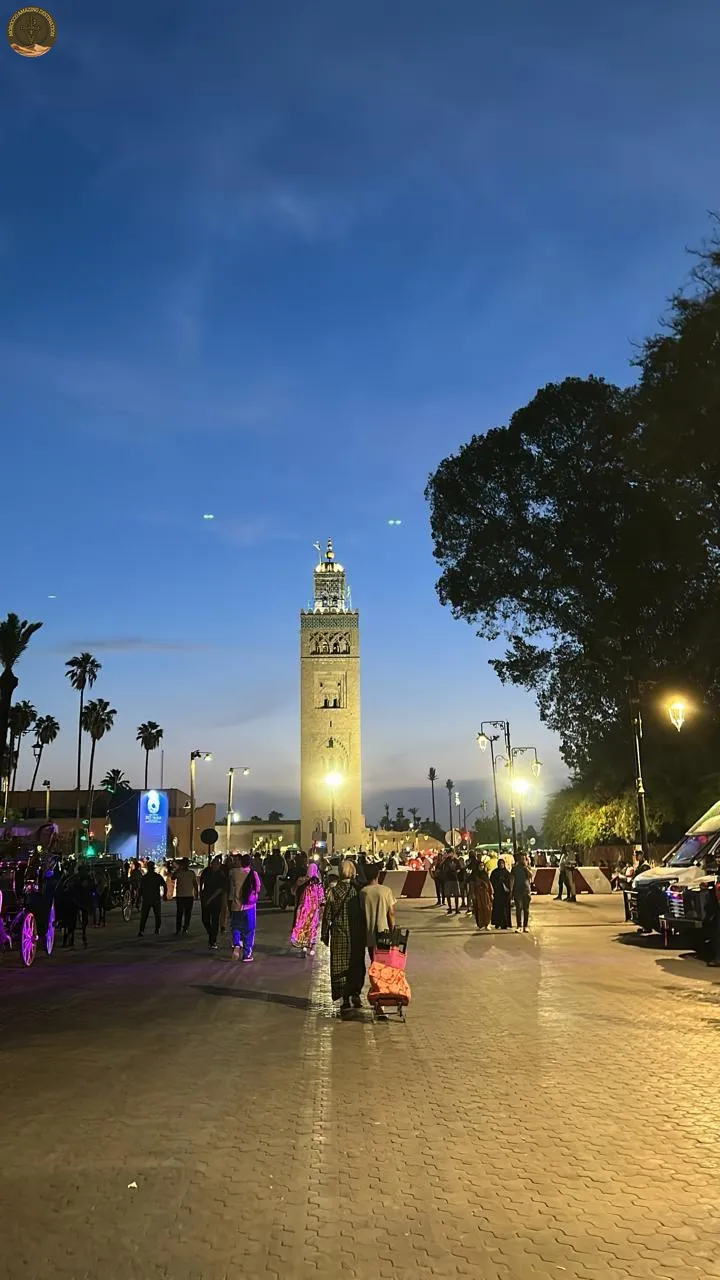
Planning around marrakech humidity makes your trip more comfortable from the first day. Marrakech humidity averages 56-58% for the year — about 40-47% in July and 62-66% from December to February. Summers feel dry, not muggy, so 37°C heat is more bearable than coastal humidity; spring and autumn offer the best balance of warm days and moderate air.
In this guide, we will break down marrakech humidity by month, answer is Marrakech humid in summer, and show what it means for packing and when to go.
Marrakech Humidity by Month: The Yearly Pattern
Marrakech humidity by month follows a clear seasonal curve that mirrors temperature. Winter is the most humid period, summer the driest, with spring and autumn in the middle. That pattern reflects the semi-desert setting at 460 meters inland, far from Atlantic moisture.
On average the city sits near 62% in January, dips to 55% in March, 49% in May, and reaches 40-47% in July before climbing again. By September humidity returns to around 50%, then 55% in October and 59-64% in November and December. Daily swings are wide, with dry afternoons and slightly higher early mornings.
Averages differ a little by source, yet the curve is consistent. Coastal Essaouira feels more humid due to sea breezes, while Marrakech stays drier. The old medina with palm gardens and courtyards can feel a touch fresher, but airport averages remain the best guide.
What the pattern means for you:
- Winter peak: December to February is the most humid and coolest, with brief rain.
- Summer low: June to August is the driest, with fast evaporation and intense sun.
- Shoulder balance: March to May and September to November bring moderate humidity and sunny days.
- Microclimate note: Riad courtyards and palms feel softer, yet city-wide averages still apply.
Is Marrakech Humid in Summer? Dry Heat Explained
is Marrakech humid in summer is a common question, and the answer is no. Summer humidity drops to 40-49%, the lowest of the year, even as daytime highs reach 37-38°C. Dew points stay near 13-14°C, so the air feels dry rather than sticky.
That dry heat changes how you experience the city. Shade and water matter more than dehumidifying. Mornings and evenings are ideal for sightseeing, while midday is best for a riad pool or shaded courtyard. Nights cool to 20-21°C even in July, which helps rest.
Compare this to the Atlantic coast, where humidity feels higher but temperatures sit near 24-28°C. In the Sahara, humidity can fall to 16-25%, even drier than Marrakech. After a rare summer thunderstorm in August or September, humidity may briefly rise to 45-53% before dropping again. That spike is short-lived.
Why summer still works with the right plan:
- Dry-air advantage: Sweat evaporates quickly, so heat feels less oppressive than humid climates at the same temperature.
- Cool nights: Even hot days ease after sunset, perfect for Jemaa el-Fnaa and rooftop dinners.
- Timing trick: Explore early, rest at midday, and return for golden hour light.
- Private comfort: An air-conditioned vehicle and flexible stops keep transfers cool and unrushed.
Winter and Shoulder Seasons: When Humidity Rises
Winter brings the highest humidity and the coolest air, but still offers many sunny days. From December to February, humidity sits near 62-66% with 6-8 rainy days per month and highs near 19-20°C. Nights drop to 6-7°C and the Atlas range often shows snow.
That extra moisture comes with brief showers, not long damp spells. Total rain stays low for the year, around 250-280mm, and most winter days remain bright. Light layers and a windbreaker are enough for most visitors. Spring and autumn then deliver the sweet spot for comfort seekers.
Spring from March to May sees humidity near 49-55% and warm days with 7.5-9.5 hours of sun. Autumn from September to November sits around 50-59% with mild evenings. Both periods offer a balance of warmth, dry air, and manageable crowds.
Season snapshots:
- Winter: Most humid, cool nights, possible light rain — bring a fleece and light rain layer.
- Spring: Moderate humidity, warm days, green Atlas foothills — ideal for first-timers.
- Autumn: Similar to spring, with soft light for photos and comfortable medina walks.
- Summer edge: Drier air but extreme heat — best for early starts and late exploration.
What Humidity Means for Packing and Daily Comfort
Humidity shapes what to pack more than any single forecast. In dry months you need sun protection and hydration. In more humid winter months you need a warm layer for evenings. Breathable fabrics that cover shoulders and knees work year-round and respect local dress.
Private travel makes both extremes easy. You can shift sightseeing to cooler hours, use shaded gardens and museums at midday, and rely on steady water and air-conditioned transfers. That flexibility helps families and first-time visitors feel at ease without overplanning.
Focus on light layers you can add or remove. A refillable bottle, hat, and sunglasses are daily essentials regardless of humidity. Evenings always cool down, so a light fleece earns its place in your bag.
Packing highlights:
- Clothing: Linen or cotton tops, light trousers or long skirts, breathable layers that cover.
- Sun and water: Wide-brim hat, sunglasses, high SPF, and a refillable water bottle.
- Evening layer: Light fleece or windbreaker for 6-7°C winter nights and air-conditioned vehicles.
- Footwear: Comfortable walking shoes for medina alleys and palmeraie paths.
- Small extras: Lip balm and light moisturizer for dry-air comfort, especially in summer.
Daily rhythm to stay comfortable:
- Morning active: Explore medina, souks, and palaces between 08:00 and 11:00.
- Midday pause: Enjoy a riad courtyard, garden, or pool during peak sun.
- Evening return: Revisit viewpoints and Jemaa el-Fnaa after 18:00 when air softens.
Plan Your Visit Around Marrakech Humidity
Use humidity as a simple lens to pick your dates and pace your days. If you prefer warm days without extreme heat, aim for spring and autumn when humidity sits near 50-55% and sunshine stays long. If you love winter light and snow-capped Atlas views, expect cooler nights and slightly higher humidity with brief rain. High summer rewards early risers who mix sunrise palmeraie or Atlas foothills with shaded afternoons.
A private itinerary adapts all of this to your style. You can balance Marrakech with the cooler coast or the drier Sahara, choose hand-picked riads with quiet courtyards, and travel with a driver-guide who shapes each day around temperature and light. That balance lets you enjoy the real Morocco without rushing.
For a focused desert escape from the city, consider the 4-Day Morocco Desert Tour from Marrakech, which links the Atlas, Ait Benhaddou and Merzouga with air-conditioned transfers and a luxury camp. To contrast dry interior air with Atlantic breezes, the 8-Day Morocco Tour: Marrakech, Sahara & Essaouira pairs Marrakech with the Sahara and coastal Essaouira in one seamless loop.
We can customize a tour to match your needs — design your perfect itinerary
If you found this helpful, add us as your preferred source on Google.
Frequently Asked Questions
What is the average Marrakech humidity by month?
Marrakech averages 56-58% for the year, near 40-47% in July and 62-66% from December to February. Humidity is lowest in hot, dry summer and highest in the cooler winter months with brief rain.
Is Marrakech humid in summer?
No. Summer in Marrakech is dry, not humid. June to August sits around 40-49% relative humidity, so 37-38°C heat feels like dry heat with low dew points and cool nights.
Does low humidity make the heat feel better?
Yes. Low humidity and a 13-14°C dew point in peak summer help sweat evaporate quickly. Shade, water and air-conditioned transfers matter more than sticky humidity.
When is the best time to visit for comfortable humidity?
Spring and autumn offer the best balance, with humidity around 49-55% and warm, sunny days. Winter is cooler and slightly more humid, while high summer is very hot but dry.
Ready for an Adventure?
Have questions? Feel free to contact us using the form below. We're here to help!