· Nature · 8 min read
The Moroccan Argan Tree: What Makes This Tree Produce Liquid Gold
Discover the Moroccan argan tree, source of liquid gold. Explore argan oil benefits, traditional Berber production, UNESCO heritage, and where to see these unique trees in Morocco.
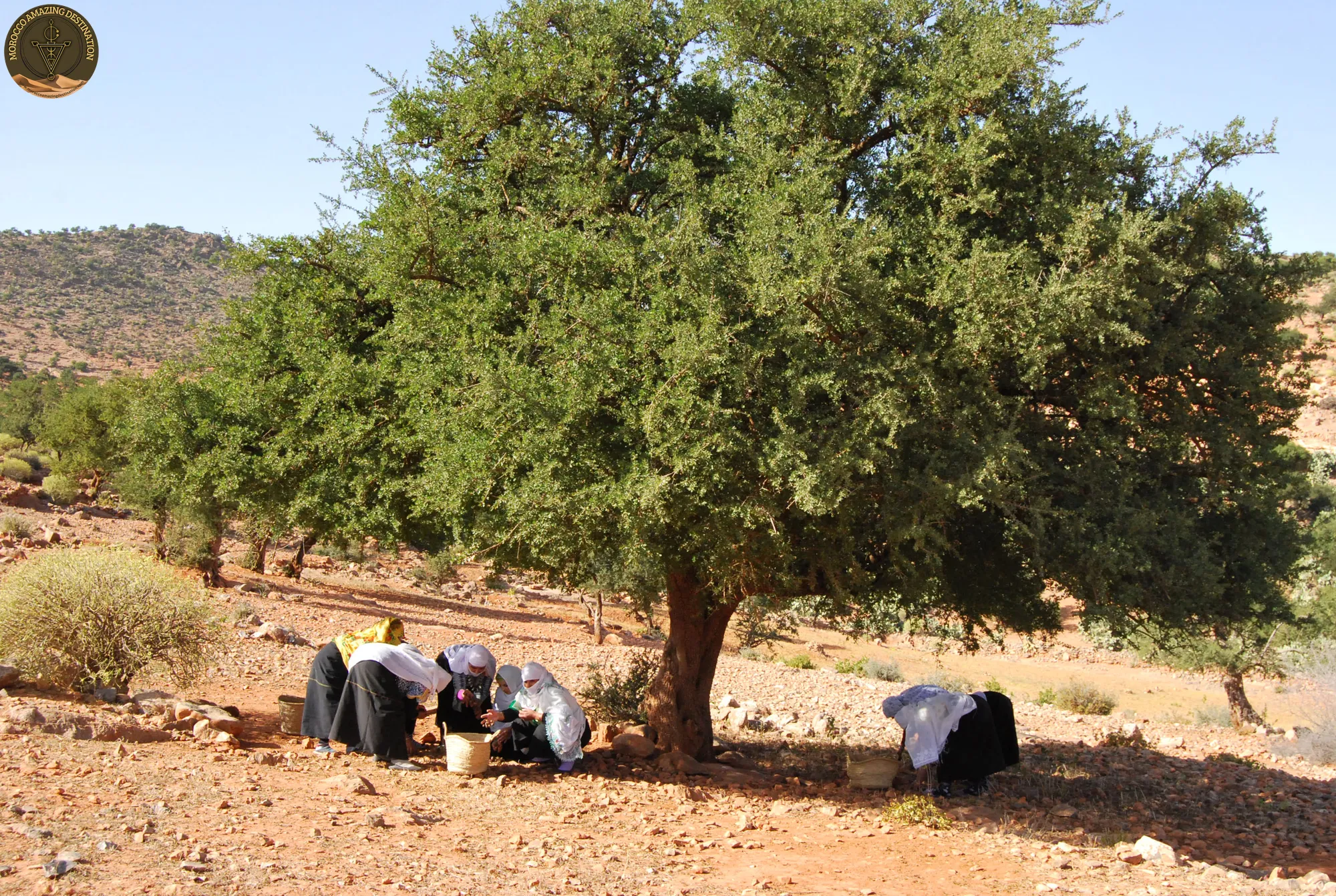
Picture a gnarled, thorny tree clinging to the semi-arid plains of southwestern Morocco. Look closer at its branches and you might spot something unexpected: goats, perched high above the ground, casually nibbling on its fruit. This is the Moroccan argan tree (Argania spinosa), one of the most remarkable botanical wonders of North Africa. For centuries, this resilient tree has been the source of argan oil — a golden elixir so precious and versatile that it has earned the nickname “liquid gold.” From luxury cosmetic brands to traditional Moroccan kitchens, argan oil has captivated the world. But what makes this tree so special, and why does it only grow in Morocco?
What Is the Moroccan Argan Tree?
The argan tree is a survivor. It belongs to the Sapotaceae family and is the only species of its genus, making it a true botanical relic. The tree once covered vast areas of North Africa, but today it grows almost exclusively in the Souss-Massa region of southwestern Morocco, thriving in the semi-desert conditions between the Atlantic coast and the Anti-Atlas Mountains.
A Tree Unlike Any Other
With its twisted trunk, thorny branches, and deep-reaching root system that can extend up to 30 meters underground, the argan tree is built to withstand prolonged drought and scorching temperatures. It can live between 150 and 200 years, and some specimens are believed to be even older.
The tree produces a small, greenish-yellow fruit that resembles an olive but is actually a drupe. Inside the fruit lies an extremely hard nut, and within that nut are one to three oil-rich kernels. It is from these tiny kernels that argan oil is extracted.
UNESCO Recognition
In 1998, UNESCO declared the argan forest of Morocco a Biosphere Reserve, recognizing not only the ecological significance of the tree but also the unique cultural heritage tied to its cultivation. The argan forest covers approximately 800,000 hectares and plays a crucial role in preventing desertification and soil erosion in the region.
Why Is Argan Oil Called “Liquid Gold”?
The nickname is no exaggeration. Argan oil is one of the most prized natural oils in the world, valued for both its culinary and cosmetic properties. Its rarity and the labor-intensive production process contribute to its high price and exclusive status.
Culinary Argan Oil
In Moroccan cuisine, culinary argan oil is a staple ingredient. It has a rich, nutty flavor with a hint of smokiness, achieved by gently roasting the kernels before pressing. It is used to finish couscous, drizzle over grilled vegetables, and — most famously — as the key ingredient in amlou, a delicious spread made by blending argan oil with almonds and honey. Rich in vitamin E, omega-6 fatty acids, and antioxidants, culinary argan oil is known to support heart health, lower bad cholesterol, and boost the immune system.
Cosmetic Argan Oil
Cold-pressed, unroasted argan oil is the variety used in cosmetics and skincare. Packed with vitamin E, essential fatty acids, and polyphenols, it is a powerful moisturizer that absorbs quickly without leaving a greasy residue. Cosmetic argan oil is widely used to:
- Hydrate and soften dry skin
- Reduce the appearance of fine lines and wrinkles
- Soothe skin conditions like eczema and acne
- Strengthen brittle hair and nails
- Protect against environmental damage
It is no wonder that argan oil has become a hero ingredient in high-end beauty products worldwide.
The Traditional Berber Production Process
The production of authentic argan oil is a craft rooted in Berber (Amazigh) tradition, passed down from mother to daughter for generations. The process is overwhelmingly carried out by women, organized into cooperatives that provide fair wages and economic independence.
Here is how traditional argan oil is made:
- Harvesting: The ripe fruits fall from the trees and are collected by hand during the summer months. In some areas, goats that climb the trees help by eating the fruit’s fleshy exterior and spitting out the nuts — though most cooperatives now collect directly from the ground.
- Drying: The fruits are sun-dried for several weeks, making it easier to remove the outer pulp.
- Cracking: Using stones, women crack open each hard nut by hand to extract the tiny kernels inside. This is the most time-consuming step and requires exceptional skill and patience.
- Grinding: The kernels are ground into a thick brown paste using a stone mill.
- Kneading and Pressing: Water is gradually added to the paste while it is kneaded by hand, causing the oil to separate. The paste is pressed to extract every last drop.
- Filtering and Bottling: The oil is filtered and bottled, ready for use.
It takes approximately 30 kilograms of fruit and up to 15 hours of labor to produce a single liter of argan oil. This explains the price — and makes every drop genuinely precious.
Where to See Argan Trees in Morocco
If you want to witness the argan tree in its natural habitat, the journey is straightforward and rewarding. The main argan-growing region lies along the coastal highway between Essaouira and Agadir, with forests stretching inland toward Taroudant and Tiznit.
Some of the best places to experience argan culture include:
- The Essaouira-Agadir coastal road: Lined with argan trees on both sides, this scenic drive offers countless photo opportunities and spontaneous encounters with climbing goats.
- Women’s cooperatives near Essaouira: Many cooperatives welcome visitors to observe the traditional oil-making process, taste fresh products, and purchase directly from the source — ensuring both quality and fair compensation.
- Souss-Massa National Park: A protected area where argan trees form part of a unique ecosystem shared with rare bird species and diverse wildlife.
- Tafraoute and the Anti-Atlas: The argan tree extends into the foothills of the Anti-Atlas, where the landscape becomes even more dramatic.
The Famous Goats of Argan Trees
One of the most iconic images associated with the Moroccan argan tree is that of goats balancing on its branches, munching on the fruit with impressive agility. This is not a tourist myth — goats genuinely climb argan trees in search of food, especially during dry seasons when ground vegetation is scarce.
The goats are naturally drawn to the fruit’s fleshy pulp. After digesting the soft exterior, they spit out or excrete the hard nuts, which are then collected and processed for oil. While traditional cooperatives still occasionally use nuts retrieved this way, modern production mostly relies on hand-harvested fruit for hygiene and quality reasons.
If you are driving along the Essaouira-Agadir road, keep an eye out — tree-climbing goats are a real and unforgettable sight.
How to Identify Authentic Argan Oil
With the global popularity of argan oil, the market is flooded with diluted or counterfeit products. Here is how to make sure you are buying the real thing:
- Check the label: Authentic Moroccan argan oil will specify Argania spinosa as the sole ingredient. Avoid products listing “argan oil” among a long list of fillers.
- Scent matters: Pure cosmetic argan oil has a mild, nutty, slightly earthy aroma. Culinary argan oil smells richer and toasted. A completely odorless oil is likely over-processed or fake.
- Texture: Real argan oil is lightweight and absorbs quickly. If it feels greasy or sticky, it may be diluted with cheaper oils.
- Packaging: Authentic argan oil should be sold in dark glass bottles to protect it from light degradation. Plastic bottles are a red flag.
- Buy from trusted sources: Women’s cooperatives in Morocco and certified organic retailers are the safest bets for genuine, high-quality oil.
The Argan Tree: A Symbol of Sustainability
Beyond its oil, the argan tree represents something greater. It is a cornerstone of sustainable development in rural Morocco. The argan cooperatives — run almost exclusively by women — provide employment for thousands of families and empower women economically in traditionally conservative areas. By choosing authentic argan products, you support this model and help preserve both the forest and the cultural heritage tied to it.
The argan tree also fights desertification. Its deep roots stabilize the soil, retain moisture, and provide a crucial barrier against the advancing Sahara. Every tree is a small but powerful act of environmental resistance.
The Moroccan argan tree is more than a source of liquid gold — it is a symbol of resilience, tradition, and sustainable living. Whether you explore its culinary richness, benefit from its cosmetic wonders, or travel to Morocco to see these ancient trees with your own eyes, the argan tree leaves a lasting impression.
Experience the Argan Tree Region Firsthand
The best way to understand the magic of the argan tree is to visit it in its natural habitat. Our 3-Days Tour From Agadir To Tafraoute, Sidi Ifni And Tiznit takes you deep into the heart of the Souss region, where endless argan forests meet dramatic Anti-Atlas landscapes, picturesque valleys, and traditional Berber villages. Along the way, you will have the chance to stop at women’s cooperatives and see argan oil production up close.
For a longer adventure that combines the wonder of the desert with argan country, the 8-Day Morocco Tour: Marrakech, Sahara Desert & Essaouira Adventure is the perfect choice. Starting in Marrakech and crossing the Sahara before reaching the Atlantic coast, this tour includes Essaouira — the heart of argan culture — where you can explore cooperatives, sample fresh amlou, and discover why this golden oil has enchanted the world for centuries.
If you found this helpful, add us as your preferred source on Google.
Frequently Asked Questions
What is the argan tree and where does it grow?
The argan tree (Argania spinosa) is a thorny, evergreen tree endemic to southwestern Morocco, growing almost exclusively in the Souss-Massa region between Essaouira and Agadir. It can live up to 200 years, withstands extreme drought, and its forests have been recognized by UNESCO as a Biosphere Reserve.
What are the main benefits of argan oil?
Culinary argan oil is rich in vitamin E, antioxidants, and unsaturated fatty acids that support heart health and lower cholesterol. Cosmetic-grade argan oil deeply moisturizes skin, reduces wrinkles and acne, strengthens hair and nails, and has natural anti-inflammatory and anti-aging properties.
Why is argan oil so expensive?
Argan oil is expensive because its production is extremely labor-intensive. It takes approximately 30 kilograms of argan fruit and up to 15 hours of manual work to produce just one liter of oil. The nuts must be hand-cracked by skilled workers — traditionally Berber women — using techniques passed down through generations.
Can tourists visit argan tree forests in Morocco?
Absolutely. The argan forests are easily accessible along the coastal road between Essaouira and Agadir. Many women's cooperatives welcome visitors, offering guided tours where you can watch the traditional oil extraction process, taste fresh argan products, and purchase authentic oils and cosmetics directly from the producers.
- morocco
- argan-oil
- argan-tree
- liquid-gold
- berber-culture
- essaouira
- agadir
- south-morocco
- sustainable-tourism
- authentic-experiences
- cosmetics
Ready for an Adventure?
Have questions? Feel free to contact us using the form below. We're here to help!