· Travel · 4 min read
Things to Know Before Visiting Morocco: Safety & Scams Guide
Essential Morocco safety tips, scam alerts, and cultural pitfalls. Know what to watch for before you go.
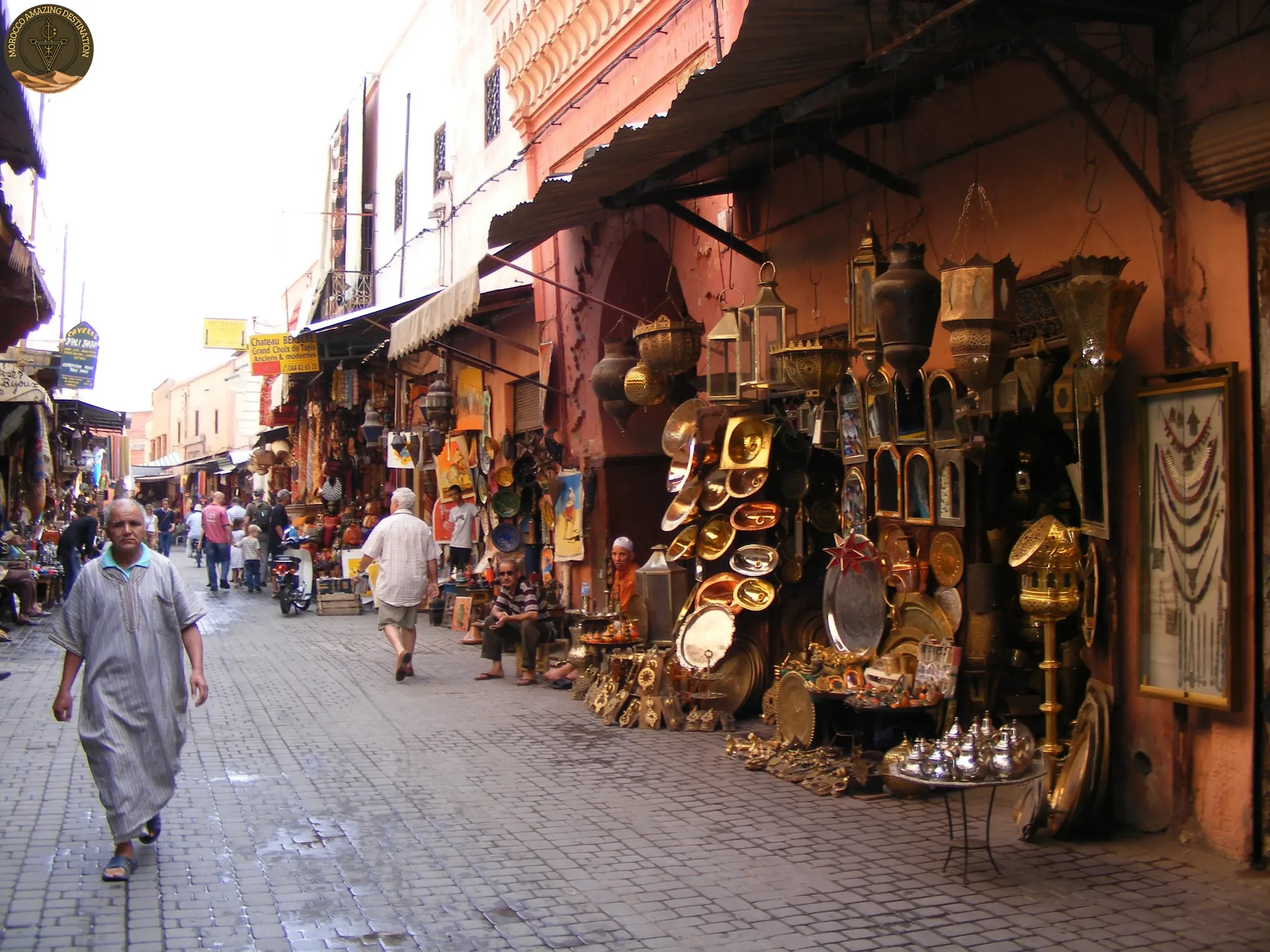
Morocco welcomed over 17 million visitors last year, and the vast majority had a smooth, memorable trip. The country holds a US State Department Level 2 advisory, the same rating as France, Italy, and Spain. Things to know before visiting morocco center less on violent crime, which is extremely rare, and more on economic scams that target tourists in busy medinas.
Knowing what to expect before you land puts you ahead of 90% of visitors. In this guide, we will break down the most common scams, cultural pitfalls, and practical warnings, plus how a private guide eliminates most risks.
Safety and Scams in Morocco
The most common morocco safety tips involve navigating tourist-targeting hustles in Marrakech and Fes medinas. These are not dangerous situations, but they catch first-timers off guard.
- Fake guides: Young men offer to lead you through the medina for 20-50 MAD, then demand 200+ MAD at the end or steer you to commission shops. Only accept guides with official Ministry badges since unlicensed guiding has been illegal since 2007.
- Taxi overcharging: Airport official rates run 70-150 MAD, but unofficial drivers quote 300-400 MAD. Always agree on a price before getting in or insist the meter runs.
- Henna and photo traps: Someone approaches with henna or places a snake or monkey on your shoulder, then demands 100-200 MAD. Firmly decline or walk away.
- Digital scams: Wi-Fi phishing in tourist cafes and fake booking confirmations sent via SMS. Use only trusted networks and verify reservations directly with hotels.
Things to be aware of in morocco include understanding that most of these hustles rely on politeness and confusion. A confident “no, thank you” stops 90% of them.
Cultural Pitfalls to Watch For
Beyond scams, morocco cultural etiquette matters deeply. Understanding a few core concepts prevents uncomfortable moments and shows respect.
- Hshuma (shame): Public embarrassment is a powerful social force. Avoid loud confrontations or aggressive bargaining in public.
- Dress modestly: Morocco is a Muslim country. Cover shoulders and knees, especially near mosques and in rural areas.
- Right hand rule: Use your right hand for eating, greeting, and giving items. The left hand is considered unclean.
- Ramadan awareness: If visiting during Ramadan, avoid eating, drinking, or smoking in public during daylight hours. Restaurants in tourist areas still serve, but be discreet.
- Photography: Always ask before photographing people. Some may request a small tip. Never photograph military installations or government buildings.
These customs are not optional courtesies. They reflect values that Moroccans take seriously, and respecting them earns genuine warmth in return.
Practical Warnings Every Traveler Needs
- Tap water: Do not drink it. Bottled water costs 5-10 MAD and is available everywhere.
- Cash is king: Many riads, small restaurants, and market vendors do not accept cards. Carry enough dirhams for daily spending.
- Haggling: Expected in souks but not in supermarkets or restaurants. Start at roughly 40-50% of the asking price and meet in the middle.
- Driving: If renting a car, know that driving rules differ significantly. Traffic in cities like Marrakech is chaotic, and rural roads may lack signage.
- Medicine: Pharmacies are well stocked but bring prescription medications from home with documentation.
These morocco travel tips are not about fear. They are about confidence. Knowing the water is undrinkable, that you need cash, and that bargaining is expected prevents the small frustrations that can cloud an otherwise incredible trip.
Why a Private Guide Eliminates Most Risks
A licensed private guide solves nearly every issue on this list. They negotiate taxis at fair rates, know which shops are legitimate, and navigate medinas without getting lost. More importantly, they provide cultural context in real time, explaining customs before you accidentally break them.
Guides also handle language barriers. While many Moroccans speak French, Arabic, or Spanish, not everyone speaks English fluently. A guide bridges that gap so you never feel stranded.
This is the difference between a trip full of second-guessing and one where you simply enjoy. A private guide turns Morocco from an overwhelming maze into a welcoming, navigable experience.
Plan Your Awareness-Ready Trip
With the right preparation, Morocco rewards you with warmth, beauty, and experiences that stay with you forever. The scams and pitfalls on this list are manageable, and most travelers navigate them without incident. The key is awareness, not avoidance.
If you prefer a hassle-free experience, a private guided tour removes the guesswork entirely. You get authentic Morocco without the stress of navigating scams, languages, and cultural nuances alone.
Our 12-Day Morocco Experience Tour from Casablanca includes a private driver-guide across every major city and the Sahara Desert. The 8-Day Imperial Cities Tour from Casablanca covers the imperial cities with expert local guidance.
We can customize a tour to match your needs — design your perfect itinerary
If you found this helpful, add us as your preferred source on Google.
Frequently Asked Questions
Is Morocco safe for tourists?
Yes. Morocco holds a US State Department Level 2 advisory, the same as France, Italy, and Spain. Violent crime against tourists is extremely rare. The main challenges are economic scams in tourist areas, not personal safety.
What are the most common scams in Morocco?
The most frequent scams include unlicensed guides who demand payment after leading you through the medina, taxi drivers who refuse the meter or overcharge at airports, and the henna or photo trap where someone applies henna or places an animal on you, then demands 100-200 MAD.
What cultural etiquette should I know before visiting Morocco?
Dress modestly near mosques, use your right hand for eating and greeting, ask permission before photographing people, and avoid jokes about religion, the King, or the Western Sahara. During Ramadan, avoid eating or drinking in public during daylight hours.
Do I need a private guide in Morocco?
A private guide is not required but eliminates most tourist risks. Licensed guides handle taxi negotiations, medina navigation, language barriers, and cultural context, allowing you to focus on the experience rather than logistics.
Ready for an Adventure?
Have questions? Feel free to contact us using the form below. We're here to help!