
· Travel · 5 min read
Senior Travel in Morocco: Comfort-First Guide for Over 60s
Senior travel in Morocco works best at a relaxed pace. Ground-floor stays, private drivers and calm bases, plus Sahara and coast tips for over 60s.
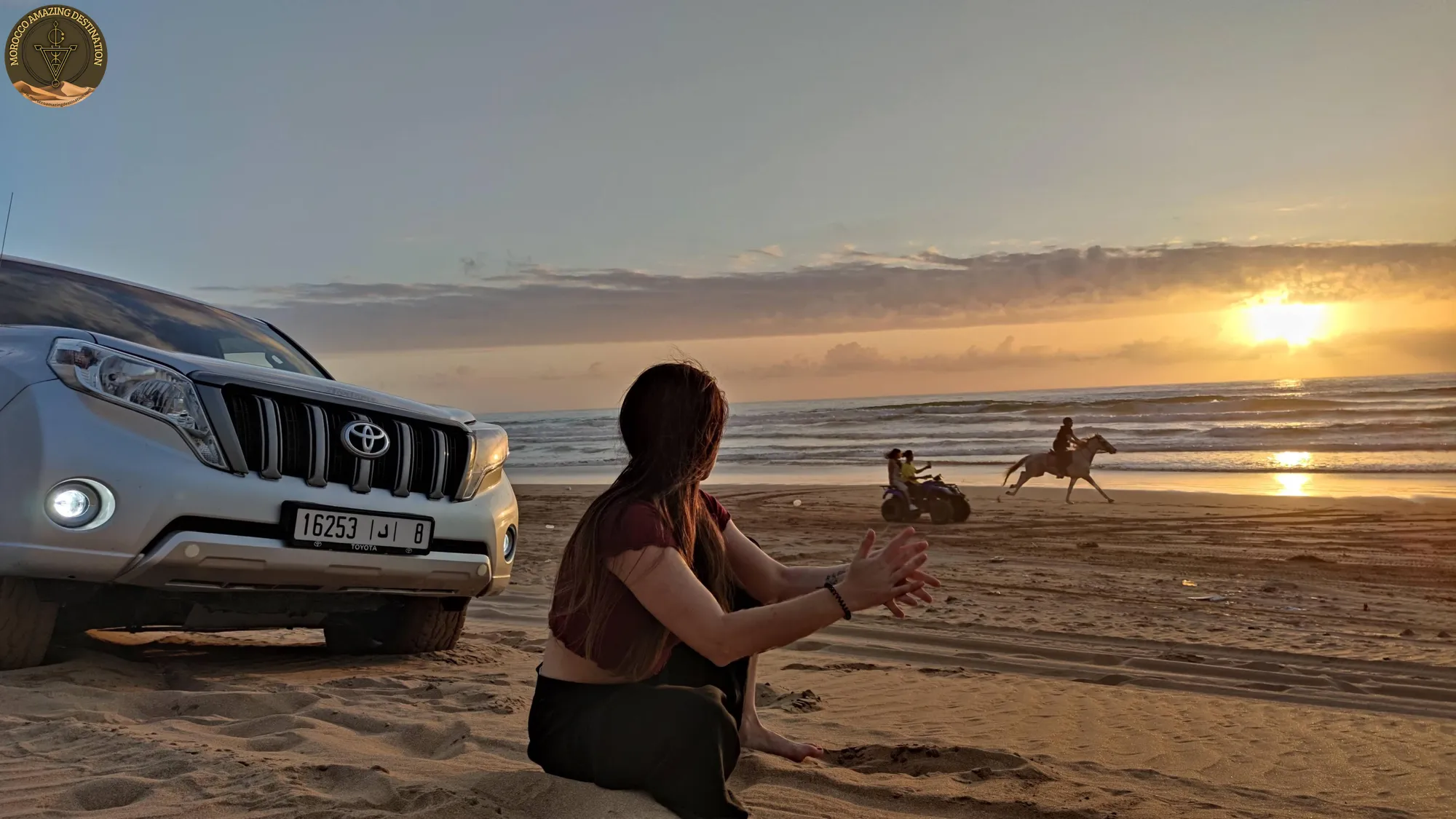
If you are planning senior travel in Morocco, the short answer is reassuring: Morocco suits travellers well into their seventies when the trip is paced for comfort. Older visitors are met with real warmth, especially in smaller towns and rural areas, and the main sights can be enjoyed without long walks or steep climbs when you plan around them. Yes, Morocco is a good choice for senior travellers who prefer a slower rhythm, a private driver and stays without stairs.
In this guide, we will break down pacing and the best seasons, low-stairs stays, medina and mountain sightseeing at an easy pace, desert nights without the strain, health basics and the gentlest coastal bases, and how you can visit them on a private tour.
Pace and timing: a comfort-first route for older travellers
Plan around energy rather than a checklist. Hotel changes, staircases and repacking cost more effort than the sightseeing itself, so fewer bases with two nights each usually beats a new town every day. Accept seeing slightly less ground and you will enjoy each place more.
Spring and autumn are the kindest months for travelling Morocco over 60. Days stay mild for walking and desert nights stay comfortable, while midsummer brings hard heat inland and in the Sahara.
- Two nights per base: unpack once, rest in the afternoon and see the town the next morning.
- Shorter driving days: split long legs such as Marrakech to the desert over several days with stops.
- One demanding site per day: pair a medina or kasbah with a relaxed afternoon instead of stacking sights.
Riad or hotel: sleep low and climb little
Many classic riads are tall, narrow houses with steep stairs and no lift, so the room choice matters more than the decor. Before booking, ask which floor the room sits on, how many steps lead up, whether the shower is walk-in and how far the nearest vehicle point lies. A courtyard room on the ground floor, or a medina-edge riad close to the road, saves your knees twice a day.
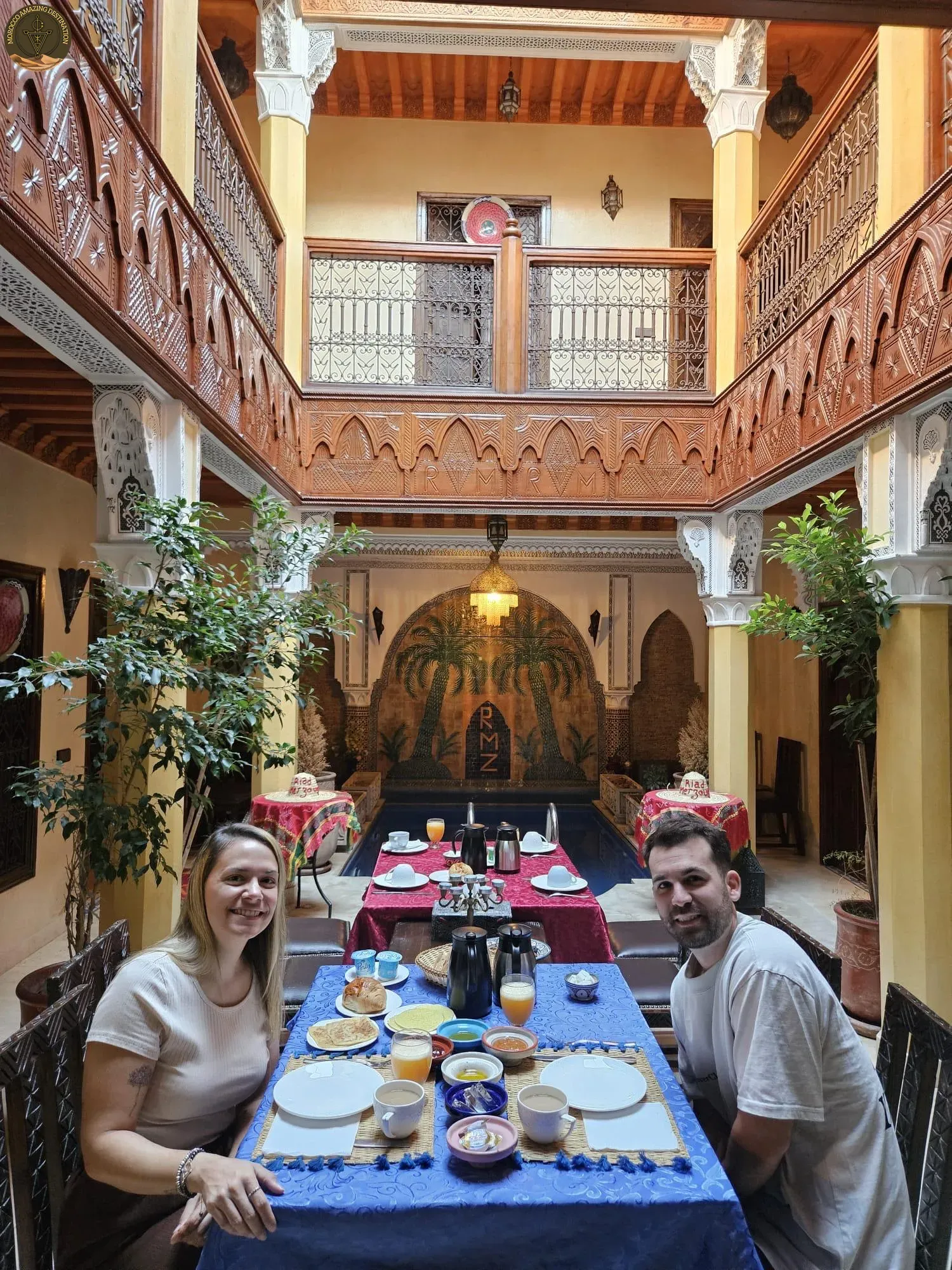
Where stairs are a real concern, a modern hotel with a lift is the safer pick over atmosphere. Arrange luggage help in advance, since porters carry bags from the vehicle drop to the door in pedestrian medinas.
- Floor and stairs: confirm a ground-floor room or a lift before you pay.
- Walk-in shower: ask for a shower without a high step or a deep tub edge.
- Medina-edge location: stays near the vehicle point cut the walk with bags to minutes.
Medina streets, mountain views and desert nights at an easy pace
Historic medinas are pedestrian zones with cobbled lanes, uneven steps and slopes, and no vehicle reaches most riad doors. A local guide keeps the route manageable, with shorter walking blocks, shaded cafe stops and a vehicle waiting at an agreed point. In the Atlas, you can skip the climbs entirely, since panoramic viewpoints and valley floors give you the scenery without the strain.
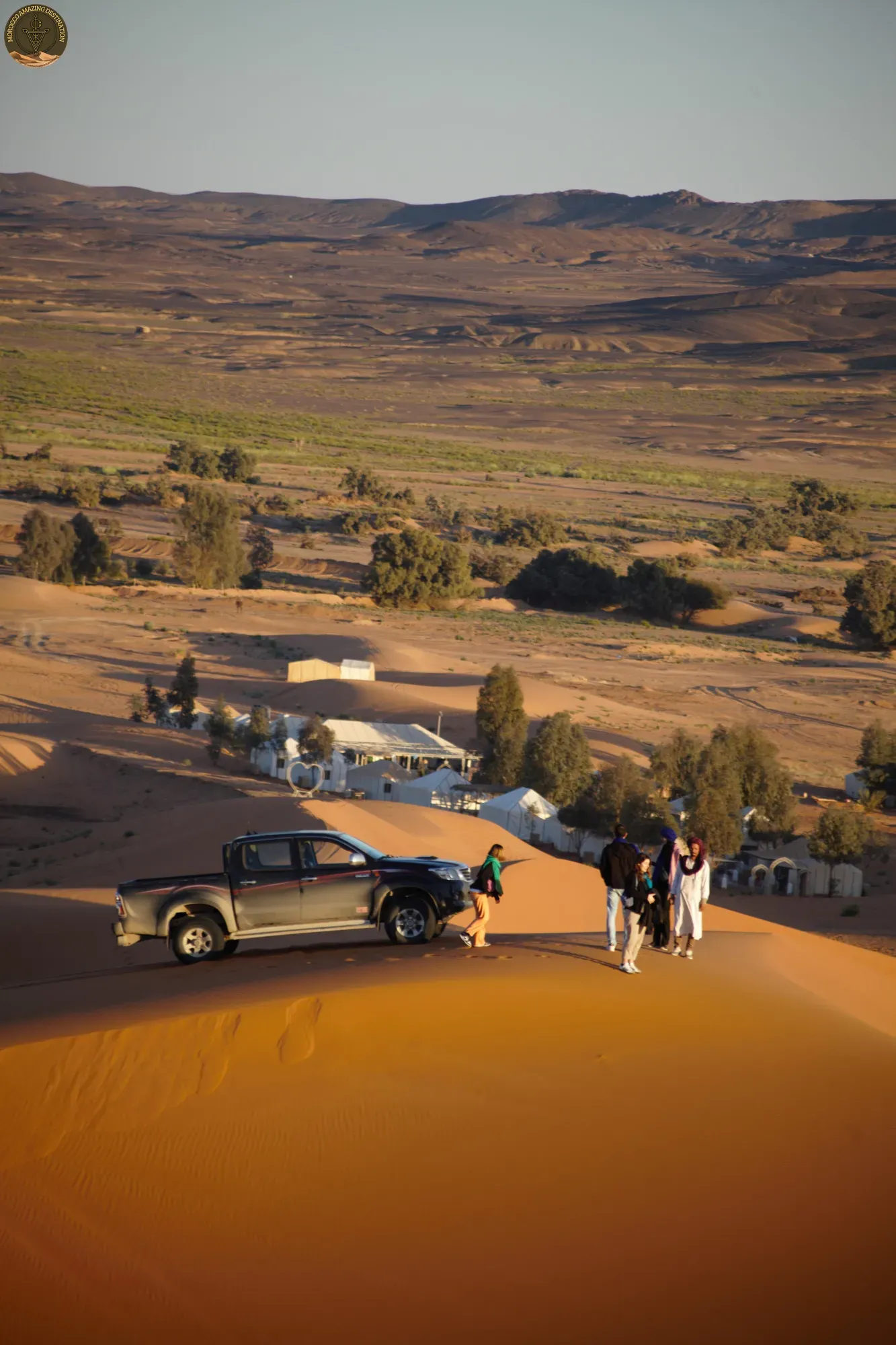
The Sahara works well into the seventies when the journey is split. Marrakech to Merzouga takes roughly nine to ten hours on the road, so it is normally spread over three days with kasbah and gorge stops. At the dunes, ride in by 4x4 instead of camel and sleep in a comfort camp with real beds and a private bathroom.
- Walk in short blocks: rest stops every half hour keep medina visits comfortable.
- View mountains from the road: high pass and valley viewpoints need no hiking.
- Take the 4x4 option: vehicles reach most desert camps directly.
- Book a comfort camp: real beds and en-suite bathrooms change the desert night.
Medication, sun and everyday health safeguards
Carry every prescription in original packaging, with a doctor note listing generic names, and keep it in hand luggage rather than checked bags. Pharmacies are widespread in Moroccan cities and pharmacists advise on common remedies, but bring your full supply plus a few spare days in case plans shift. Our detailed bringing medication guide covers the packing list and paperwork in full.
Sun, water and food cause most day-to-day trouble. Drink bottled water steadily, eat where food is cooked hot and fresh, and cover up with a hat and loose layers, since the sun burns even on hazy or mountain days. Arrange travel insurance covering medical care before departure and keep emergency numbers to hand. Petty theft in busy medinas is the main safety note, as our Morocco safety guide explains.
- Daily kit: rehydration salts, anti-diarrhoeal tablets, pain relief and blister care.
- Sun cover: high-SPF sunscreen, sunglasses and a brimmed hat.
- Water habit: a bottle within reach all day, and more on desert and mountain days.
Essaouira and the coast: Morocco at its gentlest
Essaouira is the easiest large town in the country for older travellers: flat, compact and set at sea level with a long promenade. The fishing port, ramparts and medina sit close together, restaurants cluster near the water, and the ocean breeze keeps summer temperatures pleasant. Many travellers end their trip here precisely to recover.
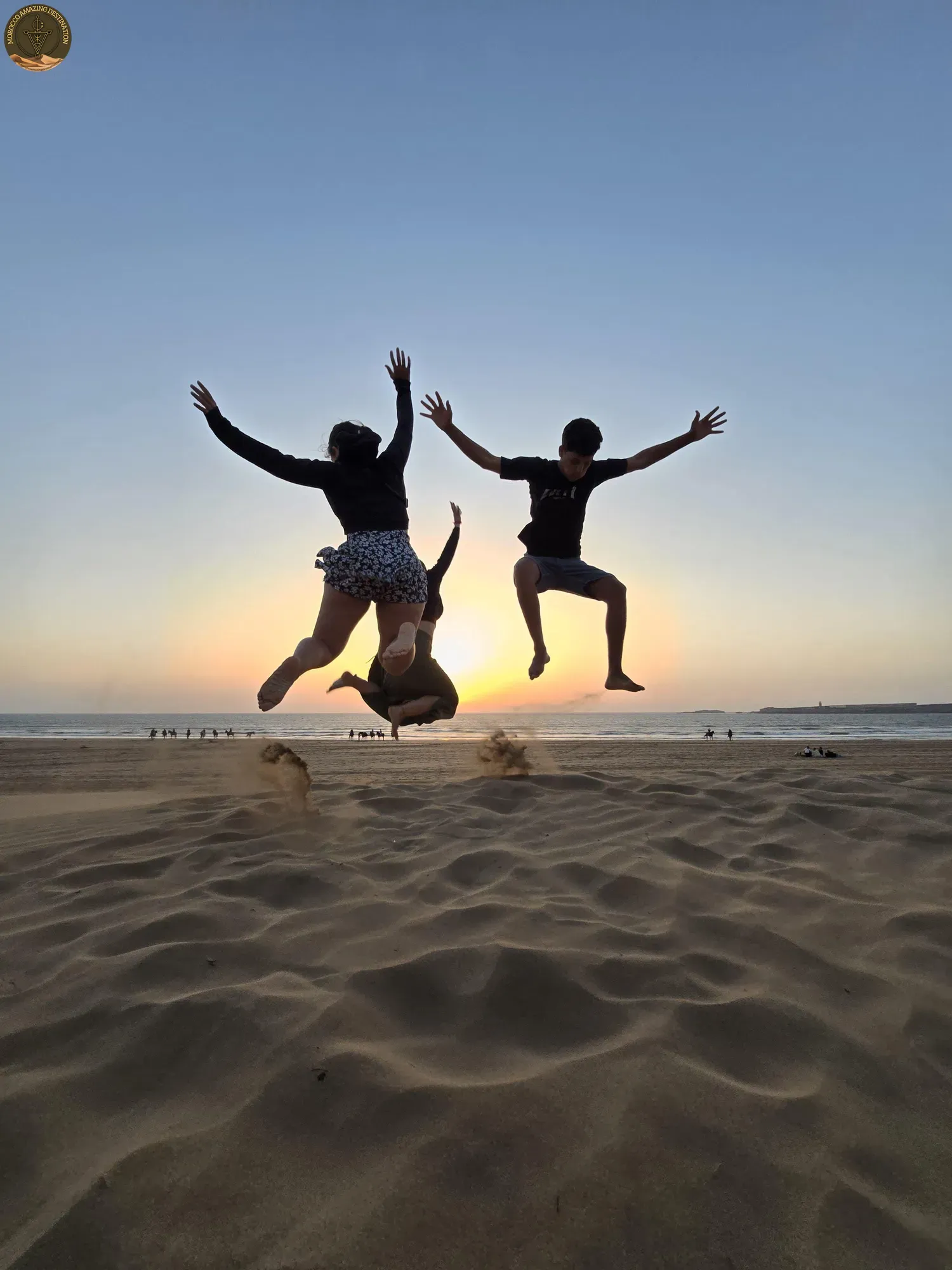
Days here need no plan beyond a slow morning, grilled fish at the port and an afternoon on the beach or ramparts. If walking is limited, the flat corniche and seafront cafes give you the Atlantic without effort, and onward transfers leave straight from town.
Morocco for seniors rewards the unhurried: two-night bases, low-stairs rooms, a private driver who adjusts the day to your energy, and a gentle finish on the coast. Our 8-Day Morocco Tour: Marrakech, Sahara Desert and Essaouira follows exactly this rhythm, with a split desert journey and a coastal ending, while the 10-Day Tour from Casablanca to the Sahara Desert via Fes adds the imperial cities over ten unhurried days.
We can customize a tour to match your needs - design your perfect itinerary
If you found this helpful, add us as your preferred source on Google.
Frequently Asked Questions
Is Morocco good for senior travellers?
Yes. Morocco suits travellers well into their seventies when the trip is paced for comfort, with two-night bases, low-stairs rooms and a private driver. Older visitors are met with notable warmth, especially in smaller towns and rural areas.
Can older travellers visit the Sahara desert?
Yes, many travellers in their seventies enjoy the Sahara. The drive from Marrakech to Merzouga takes roughly nine to ten hours, so it is normally spread over three days, and you can ride to camp by 4x4 instead of camel and sleep in a comfort camp with real beds.
Which Moroccan cities are easiest with limited mobility?
Essaouira is the easiest large town: flat, compact and at sea level with a long promenade. Marrakech and Rabat work well with a driver and a guide who shortens walking blocks. Fes is the hardest, with steep lanes and long stepped quarters.
What medication and health precautions do seniors need in Morocco?
Carry your full supply plus a few spare days in hand luggage, in original packaging with generic names. Drink bottled water, eat freshly cooked food, use strong sun protection and arrange travel insurance covering medical care before departure.
Ready for an Adventure?
Have questions? Feel free to contact us using the form below. We're here to help!