· Travel Tips · 6 min read
Rural Morocco Etiquette Guide for Berber Villages
Learn rural Morocco etiquette for Berber villages, from dress to souks, and visit with confidence on a private tour.
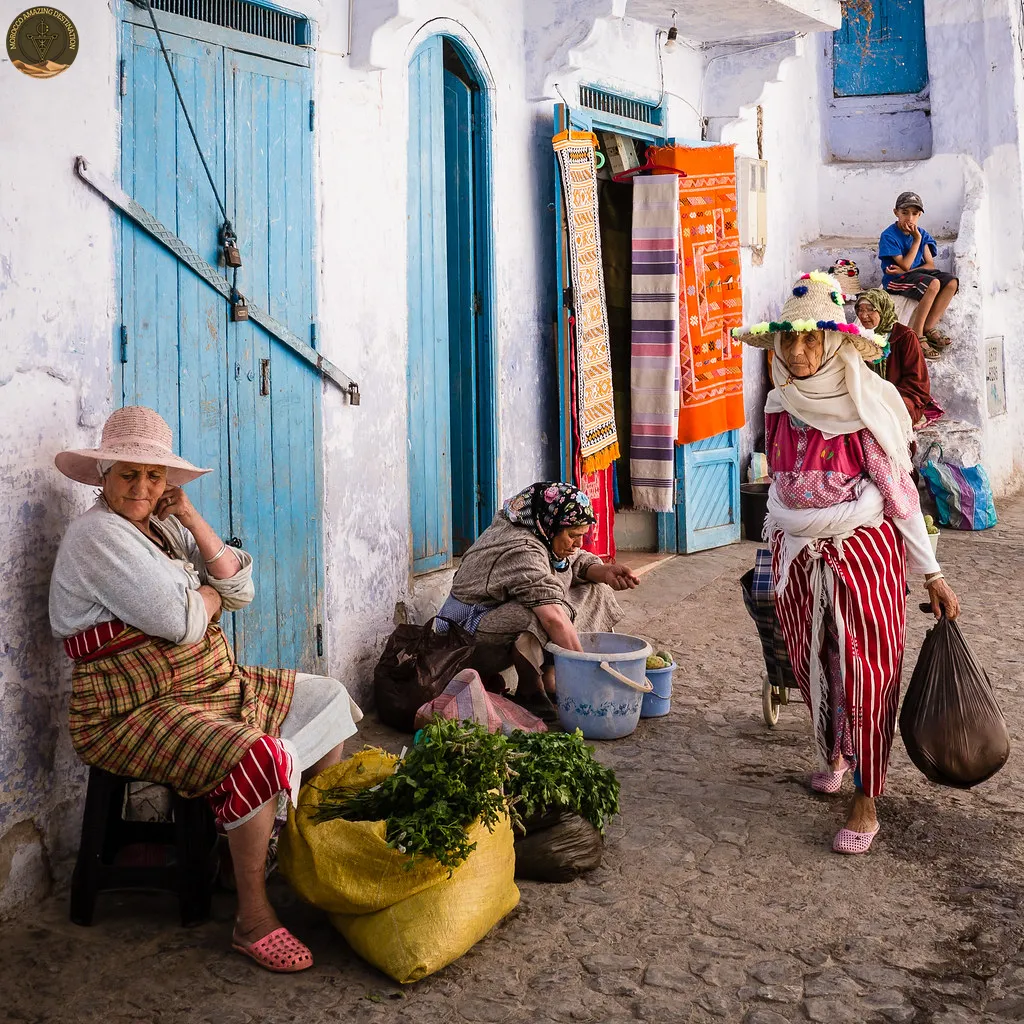
The road climbs past the last suburbs, the air cools, and stone villages appear on the hillsides. Children lead goats along terraces, bread bakes in a shared oven, and a neighbor stops you with tea. Good rural Morocco etiquette starts here, with covered dress, a slow greeting, and asking before you photograph. Respect in the countryside is practical and quiet.
In this guide, we will break down village routines, dress, greetings, language and the weekly souk, and how you can visit them.
Village life beyond the postcard
A Berber village is a working place, not a backdrop. Families tend barley and walnuts, herd sheep and goats, and share water, ovens and labor. Days follow sun and season, with early starts and a pause in the midday heat.
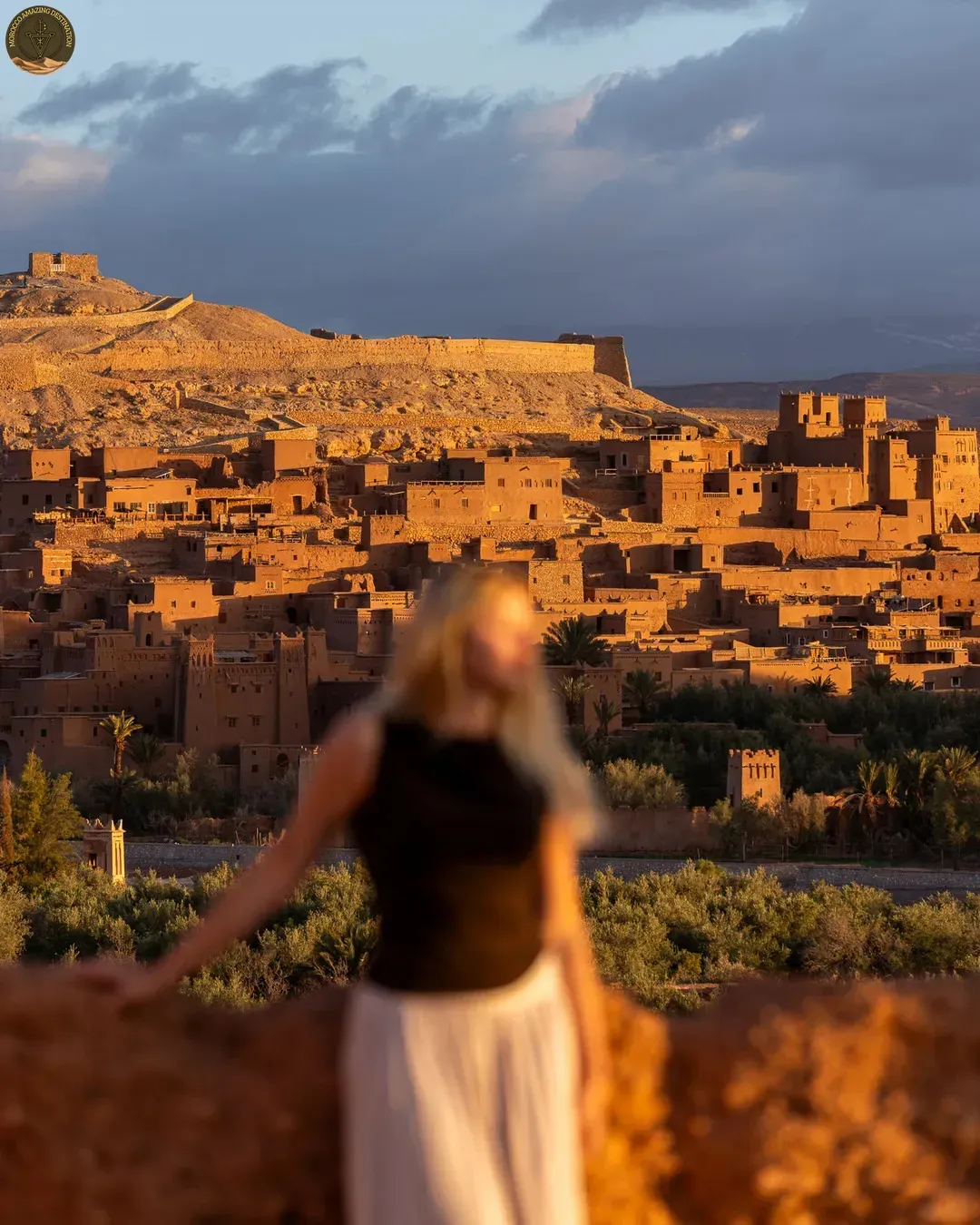
Many homes now have phones, satellite dishes and concrete rooms beside old rammed-earth walls. Young people study in town and return for harvests and feasts. You will see this mix everywhere, so avoid treating village life as frozen in time.
Chores often split along gender lines, and that shapes who you meet in public. Men tend to handle market trips and field work, while women manage homes, gardens and bread. In some villages you will see few women in the lanes during the day, which is normal rhythm rather than distance.
Berber clothes - dressing for sun, dust and village paths
Think of clothes as gear for a rough, bright landscape. Paths are unpaved and dusty, sun reflects off stone, and evenings turn cool. This is the heart of what to wear in rural Morocco.
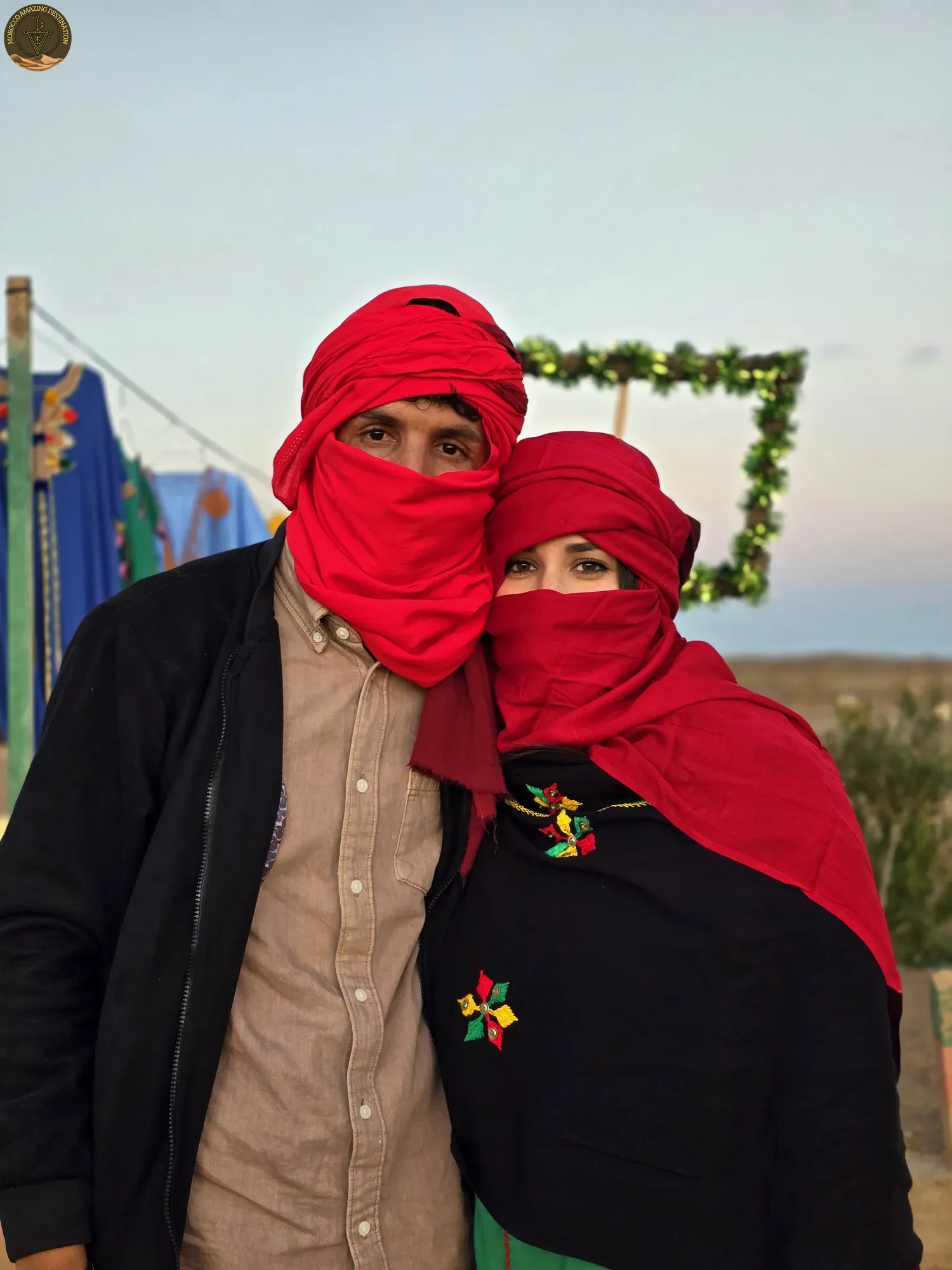
Light trousers or a long skirt with a loose long-sleeve top works for most visits. Linen and cotton breathe well and dry fast. Women often add a light scarf, useful for sun, dust and mosque areas, and men do well with a cap or straw hat.
- Cover ankle to wrist: Long, loose layers protect from sun and dust and feel right in family spaces.
- Wear closed shoes: Trainers or light boots grip stone lanes and fields better than sandals.
- Bring a scarf or hat: It cuts glare on walks and shows care when you enter a home.
- Pack a warm layer: Mountain villages cool fast after sunset, even in warm months.
Laundry dries quickly on rooftops, so two sets of light layers can carry you through several days. Leave flashy logos and tight evening wear in the city bag.
Gender, greetings and family space
Berber village customs around greetings are warm and orderly. Elders come first, handshakes are soft and long, and a hand over the heart adds respect. Let women decide the form of greeting and follow their lead.
When you enter a home, wait for seating cues from your host. Guests often sit together, with family members nearby rather than mixed through the group. Shoes come off at the door in many houses, so wear socks without holes and keep feet tucked rather than pointed at people.
For the city version of these rules, read our guide to cultural etiquette in Morocco for first-time visitors. The village version is simpler: move slowly, speak softly, and let the host set the pace. If a room feels family-only, step back toward the guest area without comment.
Meals follow the same logic. Wash hands when water is offered, eat from the section near you, and accept tea even if you take only a glass. Short thanks to the cook carry more weight than long speeches.
Language, photos and money - speak instead of pointing
Literacy runs lower in the countryside, especially among older residents. Written notes, maps and Latin script can confuse more than they help. Say the village or family name aloud, repeat it slowly, and let your guide or host confirm.
A few spoken words open most doors. Salam alaykum works everywhere, and many villagers answer gladly to a Tamazight greeting such as azul. French helps with younger people and drivers, but tone matters more than grammar.
- Say it, do not point: Speak names and prices aloud instead of pushing a phone screen forward.
- Ask every photo: Request portraits through your guide, include women and children in that rule, and show the result on the screen.
- Carry small cash: Small notes and coins pay for tea, bread and small crafts without awkward change hunts.
- Follow money cues: In some households men handle market money, so pay the person your guide indicates.
If someone declines a photo, smile and keep talking. The conversation that follows often matters more than the picture would have.
Weekly souk - buying direct from artisans
The weekly souk is market day and social day at once. Each valley holds its market on a fixed weekday, and the whole area walks or drives in. This is the best part of visiting Atlas villages for many travellers.
Stalls sell vegetables, olives, live chickens, tools and cloth beside rugs, pottery, carved wood, silver and saffron. Quality varies, but you meet the maker or their neighbor more often than in city shops. Prices start fair and leave room for a short, friendly bargain.
- Learn the speciality: Ask your guide what the valley makes best, such as rugs in one souk and pottery in another.
- Haggle lightly: Offer below the ask with a smile, meet near the middle, and stop when both sides look pleased.
- Buy direct when you can: Pay the artisan in hand and thank the introducer who brought you over.
- Time it with your route: Your driver can shape the day so you reach the souk before the midday crowd thins.
Your guide does quiet work here. They know sellers, translate qualities and prices, and steer you past fragile or overpriced pieces.
Travelling through Berber valleys is easier with a private driver and a local guide who knows families and market days. The 4-Day Morocco Desert Tour from Marrakech crosses High Atlas villages, Ait Benhaddou and the Dades Valley before a night near Merzouga. The 4-Day Marrakech to Fes via Dades and Merzouga links Atlas villages, Todra and the Ziz Valley on the way north. For sleeping and tea customs inside family homes, see our notes on Moroccan home etiquette.
We can customize a tour to match your needs - design your perfect itinerary
If you found this helpful, add us as your preferred source on Google.
Frequently Asked Questions
What should I wear in a Berber village?
Cover from ankle to wrist with light, breathable layers. Wear closed shoes for unpaved paths and bring a scarf or hat for sun and dust.
Can I take photos of people in rural Morocco?
Always ask first, especially for women and children. Let your guide or host ask in Tamazight or Arabic, and accept a no with a smile.
How do weekly souks work in the countryside?
Each area holds its souk on a fixed weekday. Villagers trade produce, livestock and crafts, and visitors can buy rugs, pottery, silver or saffron direct from makers.
What language do Berber villagers speak?
Many speak Tamazight first, plus Moroccan Arabic, and some French. Learn a few greetings and say names aloud, as reading signs is hard for some older residents.
Ready for an Adventure?
Have questions? Feel free to contact us using the form below. We're here to help!