
· Travel · 6 min read
Tagdilt Track Birdwatching: Desert Birds Near Boumalne Dades
Birdwatching on the Tagdilt Track near Boumalne Dades: which desert birds to expect, the best months, and how to add a dawn session to your route.
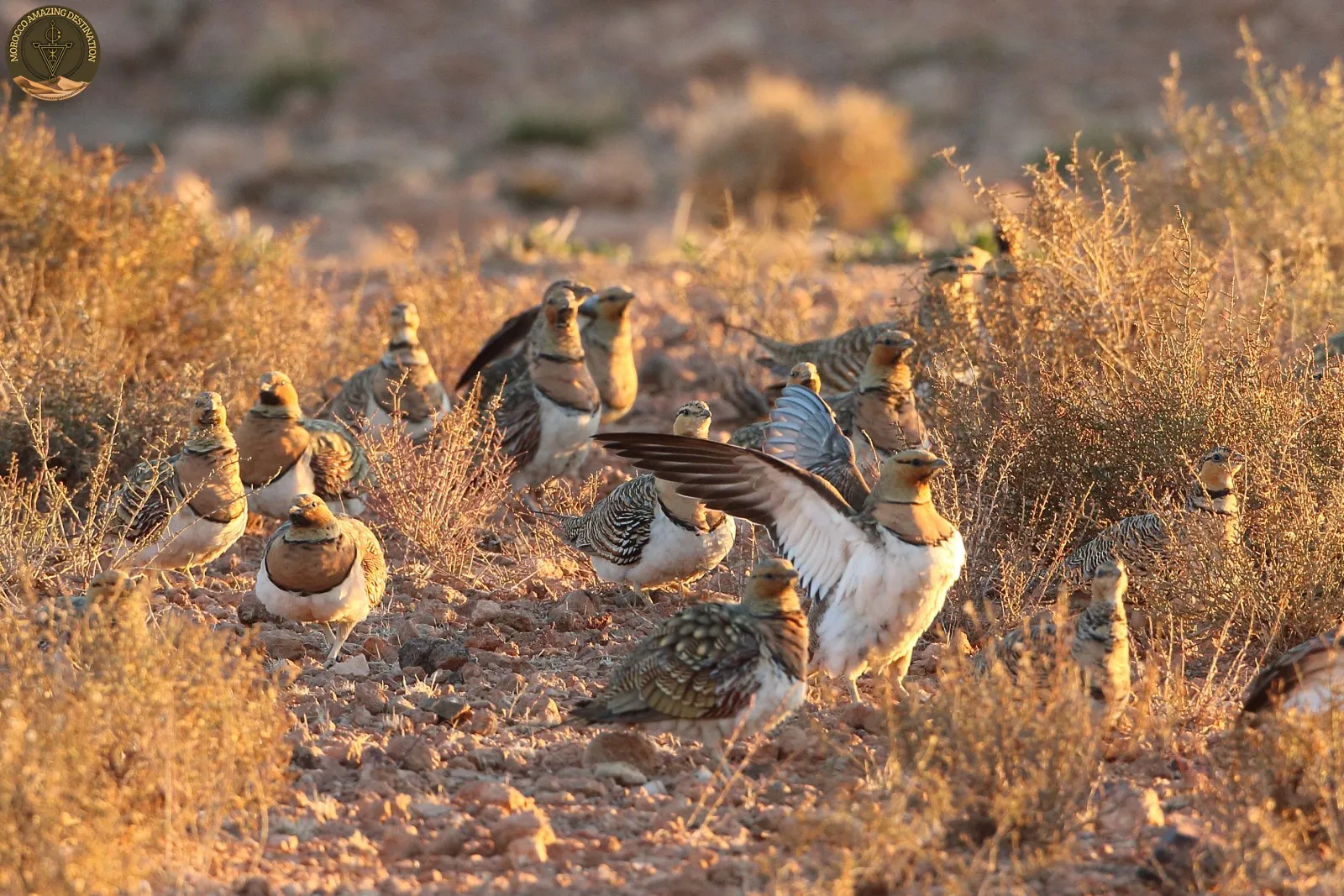
Long before the Dades Valley wakes up, the steppe east of Boumalne Dades is already busy. Larks run between stones instead of flying, a courser picks along a gravel edge, and the light rises flat and pale over ground that looks empty until you stop and look. Tagdilt Track birdwatching rewards an early start and a driver happy to wait.
This guide covers where the track runs and how to get there, the habitat that holds the birds, and the species you can expect through the seasons. It also covers the conditions that catch people out, and how a dawn session fits into a Dades Valley itinerary.
Where the Tagdilt Track Runs, and How You Reach Boumalne Dades
The track begins on the N10 just east of Boumalne Dades. After roughly 650 metres the tarmac gives way to a dirt track that turns south into open steppe, close to 31.35 N, 5.96 W. Local drivers call the area the Vallée des Oiseaux. Once you leave the road, a network of graded tracks loops a few kilometres across flat ground.
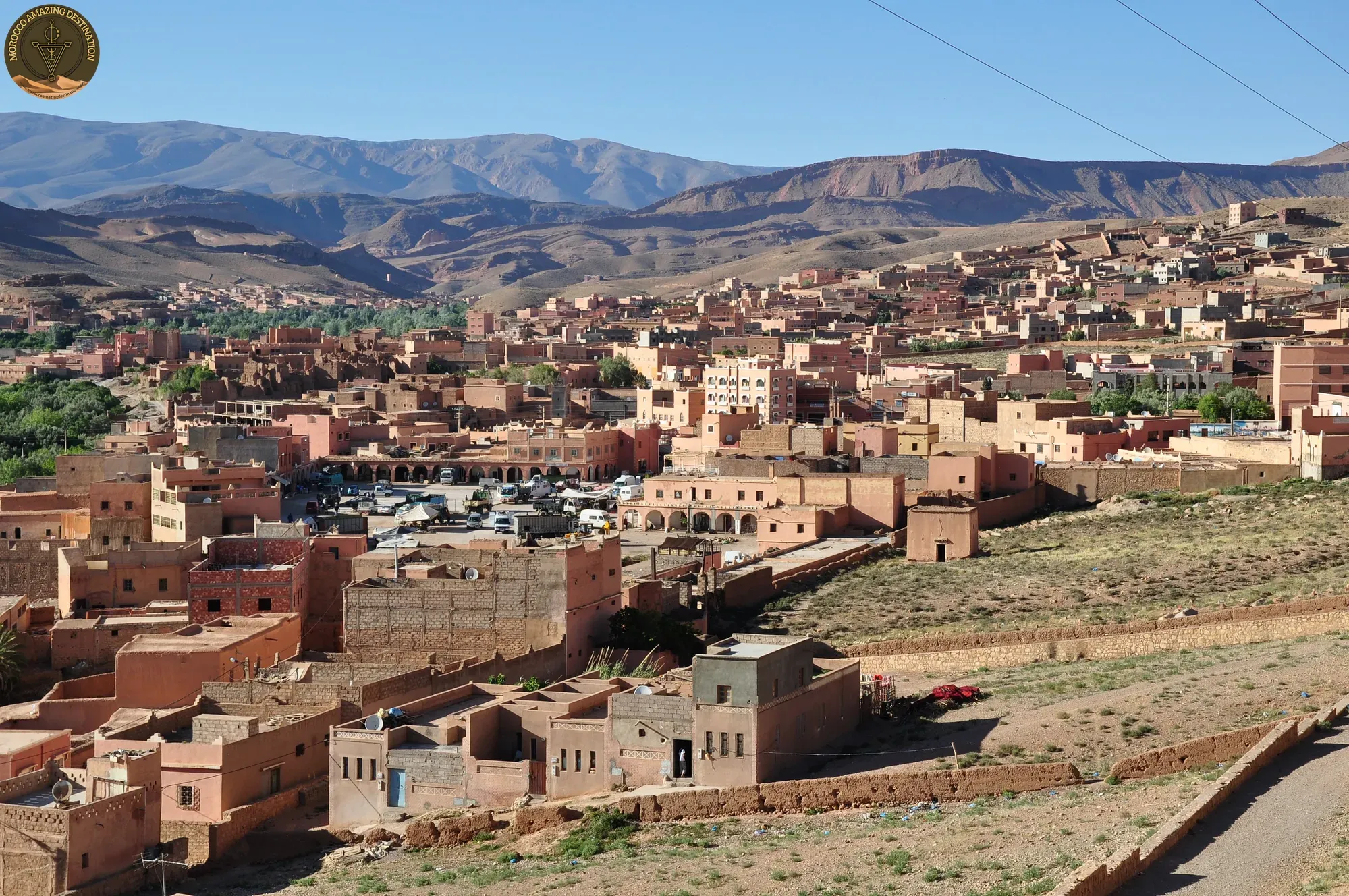
From Ouarzazate it is a straight run of about 100 km on the N10 via Skoura and Kelaat M’Gouna, roughly an hour and a half. Hotels in the Dades Valley are ten minutes from the turn-off, which makes the track an easy stop before breakfast.
From Marrakech the drive takes five to six hours, so Birding Boumalne Dades works best with a night in town rather than as a day trip from the city. The loop is not marked and the side tracks look alike, which is the main argument for a local driver on a first visit.
A Habitat of Stone, Thorns and Sudden Water
Desert birding here is not about sand dunes. The ground is hammada, a pavement of dark stone broken by sparse jujube bushes, with tamarisk standing in the dry oued beds. Irrigated fields and date palms appear only where Dades water reaches, and they sit at the edge of the habitat. From a moving car it is monotony; walking it, you see the stones and bushes one by one.
Water changes the day: after rain, shallow pools collect in the hollows and sandgrouse come in to drink, sometimes well after sunrise. In a dry spring those pools are simply not there and the birds spread out across the plain. Birders here build the day around water; if you came for desert birds Morocco, treat any pool as luck rather than a fixture. An hour standing still beside one good bush usually beats driving between likely spots.
Which Birds, and When
You can build a strong list here in a single morning. Cream-coloured coursers work the open gravel. Desert larks and Temminck’s horned larks are common and quickly become familiar. Thick-billed larks prefer the bushy edges of the track.
- Desert and red-rumped wheatears sit on stones and posts, easy to see and easy to name.
- Trumpeter finches drop to the track edges to feed and drink.
- Crowned sandgrouse appear at the pools when water holds.
- Mourning wheatear is the prize of the site and is never guaranteed.
Pharaoh eagle-owl and Barbary falcon are possible, though not dependable. Houbara bustard is rare, vulnerable and should never be chased, and a guide who promises it is selling you something. In migration, crag martins and bee-eaters pass overhead.
March to May and September to November give the best conditions and the most movement. Winter dawns at around 1,500 m are cold, and summer afternoons are punishing enough to end a session early.
The Honest Constraints: Heat, Dust and a 4x4
Nothing here is dangerous, but poor preparation costs you. Wind lifts grit, and the vehicle is the only shelter you will find.
- There is no shade, water or facility anywhere on the loop.
- Phone signal drops away once you leave the N10.
- Feral dogs work the waste ground on the edge of town, so keep bags closed.
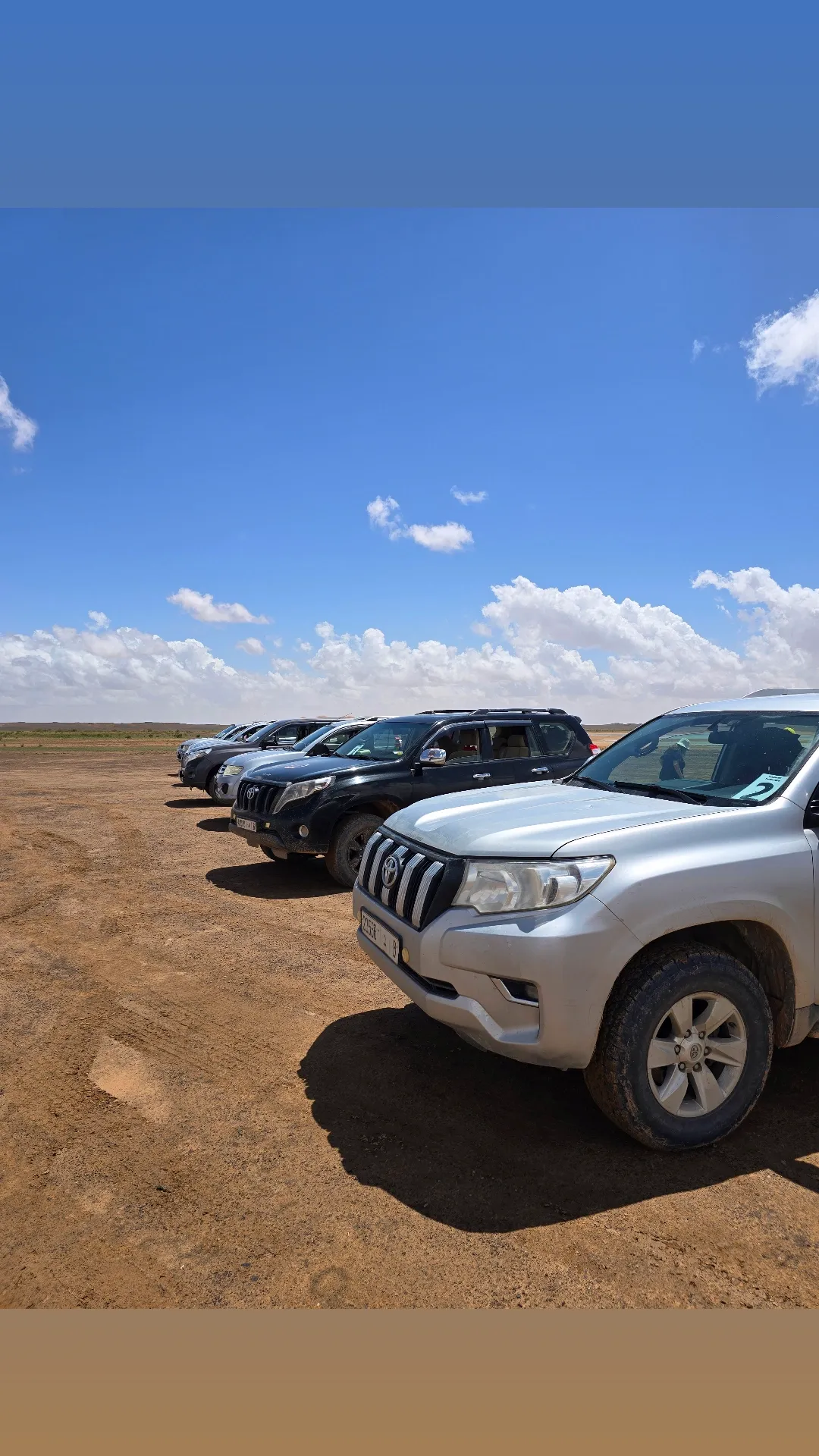
An ordinary car copes with the graded sections in dry weather. Rain is the exception, because the oued crossings turn soft and a saloon can bog down within sight of the road. A 4x4 with a local driver removes that risk and leaves you free to watch instead of steer.
Ramadan shifts breakfast hours in Boumalne. Ask your hotel for a packed breakfast the night before instead of counting on a cafe at first light.
Fitting a Tagdilt Morning into a Dades Valley Itinerary
The shape of the morning is simple: dawn on the track, back to Boumalne for breakfast, then on to the day’s main sight. Dades Valley birdwatching works best as the first hour of a day that already has somewhere to go.
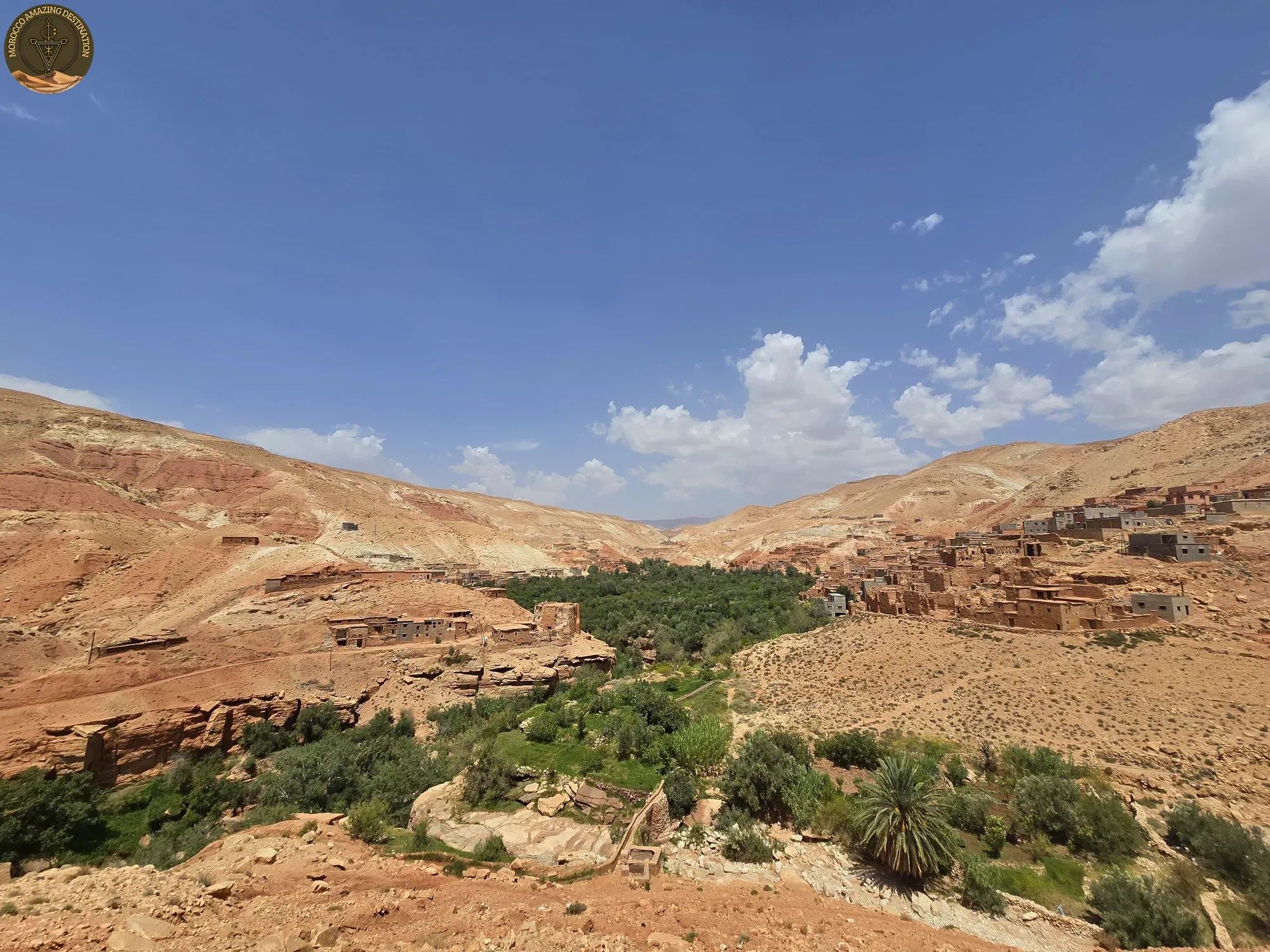
Dades Gorge is about 30 km from town, so a slow birding start still leaves the gorge in good light. Heading east, Todra Gorge via Tinghir is about 50 km. Arriving early puts you ahead of the coach convoy that fills the road later in the day.
Light hardens and activity drops by mid-morning, so a session that starts at seven is worth more than one that starts at ten. Give the track two hours and you will have seen most of what the morning offers.
Two of our routes put you in the right place for a dawn start without extra driving. The 4-Day Guided Morocco Tour from Ouarzazate to Marrakech spends its first night in the Dades Valley and leaves for Todra the next morning, with the Tagdilt plain on the way. The 4-Day Marrakech to Fes Tour via Dades and Merzouga sleeps one night in the valley and leaves for the Todra Gorge and Merzouga the next morning, so an early start on the track fits before the drive.
For the wider picture of Moroccan wildlife, our guide to the animals in Morocco covers the country’s species and where they live. For a city bird collection instead of wild steppe, see Birds Valley Agadir.
We can customize a tour to match your needs - design your perfect itinerary
If you found this helpful, add us as your preferred source on Google.
Frequently Asked Questions
Where is the Tagdilt Track in Morocco?
The track leaves the N10 about 650 metres east of Boumalne Dades, close to 31.35 N, 5.96 W, and turns south into open stony steppe. Local drivers call the area the Vallée des Oiseaux. Ouarzazate is roughly 100 km away on the N10 via Skoura and Kelaat M'Gouna.
Which birds can I see on the Tagdilt Track?
The reliable species are cream-coloured courser, desert lark, Temminck's horned lark, thick-billed lark, desert and red-rumped wheatear, trumpeter finch and crowned sandgrouse at water. Mourning wheatear, pharaoh eagle-owl and Barbary falcon are possible but never guaranteed, and houbara bustard is too rare to chase.
When is the best time for Tagdilt Track birdwatching?
March to May and September to November give the best conditions and the most bird movement. Winter dawns at around 1,500 m are cold, and summer afternoons are too hot for a long session. Start at first light, when activity is highest.
Do I need a 4x4 for the Tagdilt Track?
Not in dry weather, when an ordinary car copes with the graded tracks. After rain the oued crossings turn soft and can trap a saloon, so a 4x4 with a local driver is the safer choice. There is no shade, water or facility on the loop, so bring everything you need.
Ready for an Adventure?
Have questions? Feel free to contact us using the form below. We're here to help!