· Travel · 6 min read
Weather in Morocco in July: Heat, Sun & Travel Guide
Get weather in Morocco in July by region — temps, sun, sea and packing tips to plan your coolest Atlas, coast and desert route.
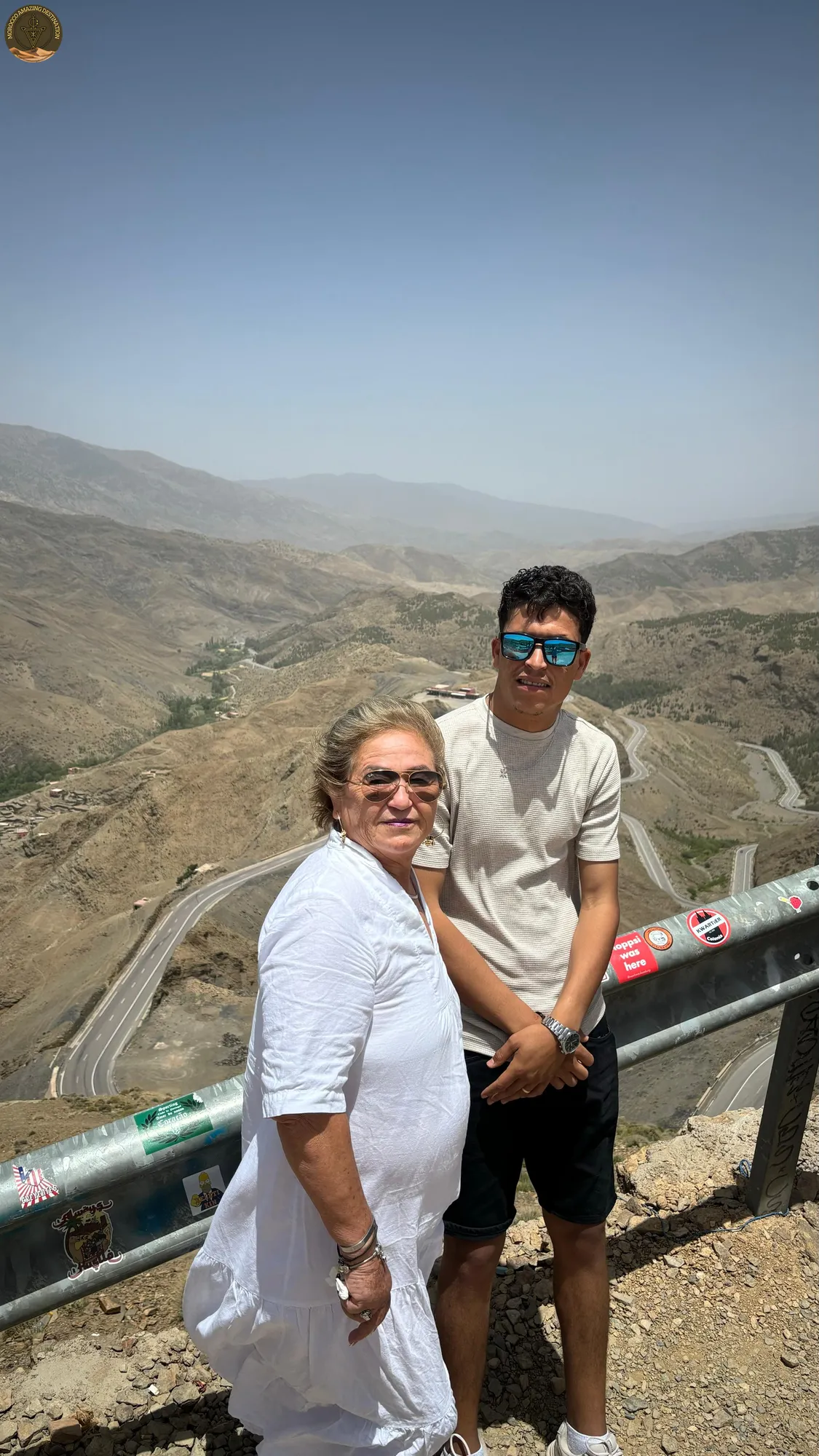
Planning a summer escape? Weather in Morocco in July brings peak dry heat inland and in the Sahara, with brilliant sun and welcome relief on the Atlantic coast and in the High Atlas. Morocco weather july is at its driest and sunniest, so how you route and time your days shapes comfort more than chance.
In this guide, we will break down temperature in Morocco in July by region, sunshine and sea conditions, and is july a good time to visit morocco plus what to pack and how to plan around the heat.
July Weather Overview: Dry, Sunny and Hot
July is Morocco’s peak for dryness and sun. Most areas see almost no rain, very long days and strong solar intensity. Days run about 14 hours from sunrise to sunset, with monthly sunshine totals near 285 to 315 hours.
Humidity stays low inland and higher by the sea. Inland cities sit around 16-25% in the desert and moderate levels in Marrakech and Fes, while coastal towns range higher but feel fresher thanks to steady breezes. UV is extreme inland at 11 and high on the coast around 6-7, so sun protection matters even on hazy mornings.
Key traits of July:
- Rainfall: 0-2 mm nationally with 0-2 wet days. Marrakech, Fes, Essaouira, Agadir and Merzouga all average near zero, with Sahara reports around 1.2 mm.
- Sun & daylight: 10-13 hours of sun per day and about 14 hours of daylight. Mornings are clear and evenings stay bright late.
- Sea & wind: Sea warms to 20-23°C on the south and central coast, cooler near Essaouira around 20°C, with afternoon winds that make the coast feel fresh.
Temperature in Morocco in July by Region
Temperature in Morocco in July varies more by geography than by week. Early July is slightly cooler than late July, but the bigger split is coast versus interior versus desert versus mountains.
Inland cities run hot. Marrakech averages 36-38°C by day and 19-22°C at night, with a mean near 27-29°C and heat index around 44°C on still afternoons. Fes is similar at 34-36°C by day and 19-20°C at night. Both see about 12 hours of sun and very dry air. The Sahara is hotter still. Around Merzouga, days often reach 42-43°C and can spike to 45-48°C, with nights near 28-29°C. Humidity drops to 16-25%, so shade and hydration matter. Dune walks work only at dawn and near sunset, and an air-conditioned luxury camp keeps nights comfortable.
Coast and mountains stay friendlier:
- Essaouira: 24-28°C by day, 18-20°C at night, sea near 20°C, windy and ideal for beach walks and kite surfing rather than still sunbathing.
- Agadir & south coast: 26-30°C by day, 18°C at night, sea 20-21°C, sunnier and calmer than Essaouira for swimming.
- Casablanca & Tangier: About 26-28°C by day, 18-19°C at night, sea 21-23°C in Casablanca and 19-20°C in Tangier.
- High Atlas (Imlil): 25-28°C by day, 13°C at night, with cooler shade and crisp evenings.
Sources like Weather Atlas, Climate Data and Weather and Climate align on these ranges, with small variance by altitude and microclimate.
Crowds and Desert: What July Feels Like Day to Day
July feels spacious inland and lively on the coast. Historic cities and desert routes are quieter than spring, with fewer crowds and often better rates for riads and camps. Beach towns flip the pattern. Agadir, Essaouira and Taghazout run at summer peak, especially busy and more expensive in the last two weeks.
Daily rhythm matters more than the forecast. Plan active time for 08:00-11:00 and after 18:00, when light is golden and streets and trails are cooler. Use midday for a pool, a shaded riad courtyard or a mint tea pause. Private driving helps a lot, with air-conditioned transfers and flexible stops for viewpoints and short walks.
For the Sahara, go at dawn and sunset. Camel treks, sandboarding and camp evenings shine when the sun is low and colors deepen. Modern luxury camps offer AC, cold drinks and dark skies for stargazing, so nights feel smooth even after a hot day.
Is July a Good Time to Visit Morocco?
Is july a good time to visit morocco? Yes, if you design for the heat. July suits beach lovers, Atlas hikers and fans of coastal culture at a relaxed pace. It is more demanding for full-day inland sightseeing or midday dune crossings.
Your best balance is Atlantic coast plus mountains with a concentrated city dose. Keep Marrakech to one or two nights and visit the medina and palaces early or near sunset when lanes are cooler and light is softer. Add two nights in the Atlas around Imlil for fresh air and easy walks, then two to three nights in Essaouira or Agadir for breezes and sea time. Chefchaouen and Tangier also run about 5-10°C cooler than the interior and pair well with a north-coast finish.
With a private driver-guide and hand-picked riads, you avoid midday heat without missing soulful moments. Guides know shady lanes, breezy viewpoints and the calmest hours for Jemaa el-Fnaa and the souks.
What to Pack and How to Plan Around the Heat
Pack for sun, modesty and light layers. Days are hot inland and warm on the coast, while evenings and coastal winds feel cooler. Choose breathable linen and cotton that covers shoulders and knees, plus a layer for after sunset.
Packing checklist:
- Clothing & sun: 2-3 linen or cotton tops, loose trousers or long skirts, light fleece for evenings, wide-brim hat, sunglasses and SPF 50+.
- Coast & extras: Windbreaker for Essaouira, swimsuit for Agadir, refillable water bottle, small daypack and light scarf for sun and covered sites.
- Timing tips: Sightsee 08:00-11:00 and after 18:00, use midday for pool or riad rest, and book Sahara camel rides for dawn and sunset only.
With the right plan, July brings long, bright days and a real Morocco feel without spring crowds. Private transport, hand-picked riads and guides who know shady routes keep the journey smooth and unhurried.
Want a cool-balanced summer route that links city, mountains and sea? Our 8-Day Morocco Tour: Marrakech, Sahara & Essaouira Adventure pairs a short Marrakech stay with the Atlas and Atlantic coast, while the 7-Day Agadir to Merzouga Desert Tour blends beach time with a tailored Sahara escape and AC luxury camp for comfortable nights.
We can customize a tour to match your needs — design your perfect itinerary
If you found this helpful, add us as your preferred source on Google.
Frequently Asked Questions
How hot is Morocco in July?
It depends on the region. Marrakech reaches 36-38°C by day and 19-22°C at night, Fes 34-36°C/19-20°C, Merzouga in the Sahara 42-43°C/28-29°C, while Essaouira stays 24-28°C and Agadir 26-30°C with sea breezes.
Is July too hot for the Sahara Desert?
Midday in the dunes is extreme, often 42-48°C. With a private driver and a luxury camp with AC, you can enjoy the Sahara by focusing on sunrise and sunset for camel rides and sand activities and resting midday.
Does it rain in Morocco in July?
Almost never. July is the driest month nationally with 0-2 mm of rain, 10-13 hours of sun per day, about 14 hours of daylight and extreme UV inland. The coast and mountains are dry and sunny as well.
What should I pack for Morocco in July?
Pack light linen and cotton modest layers, a light fleece for cool evenings and windy coasts, wide-brim hat, sunglasses, SPF 50+, windbreaker for Essaouira, swimsuit for Agadir and a refillable water bottle.
Ready for an Adventure?
Have questions? Feel free to contact us using the form below. We're here to help!