
· Travel · 6 min read
What Foods to Avoid in Morocco: A Safe Eating Guide
Learn what foods to avoid in Morocco, from tap water to risky snacks, and discover safe, delicious alternatives for a hassle-free trip.
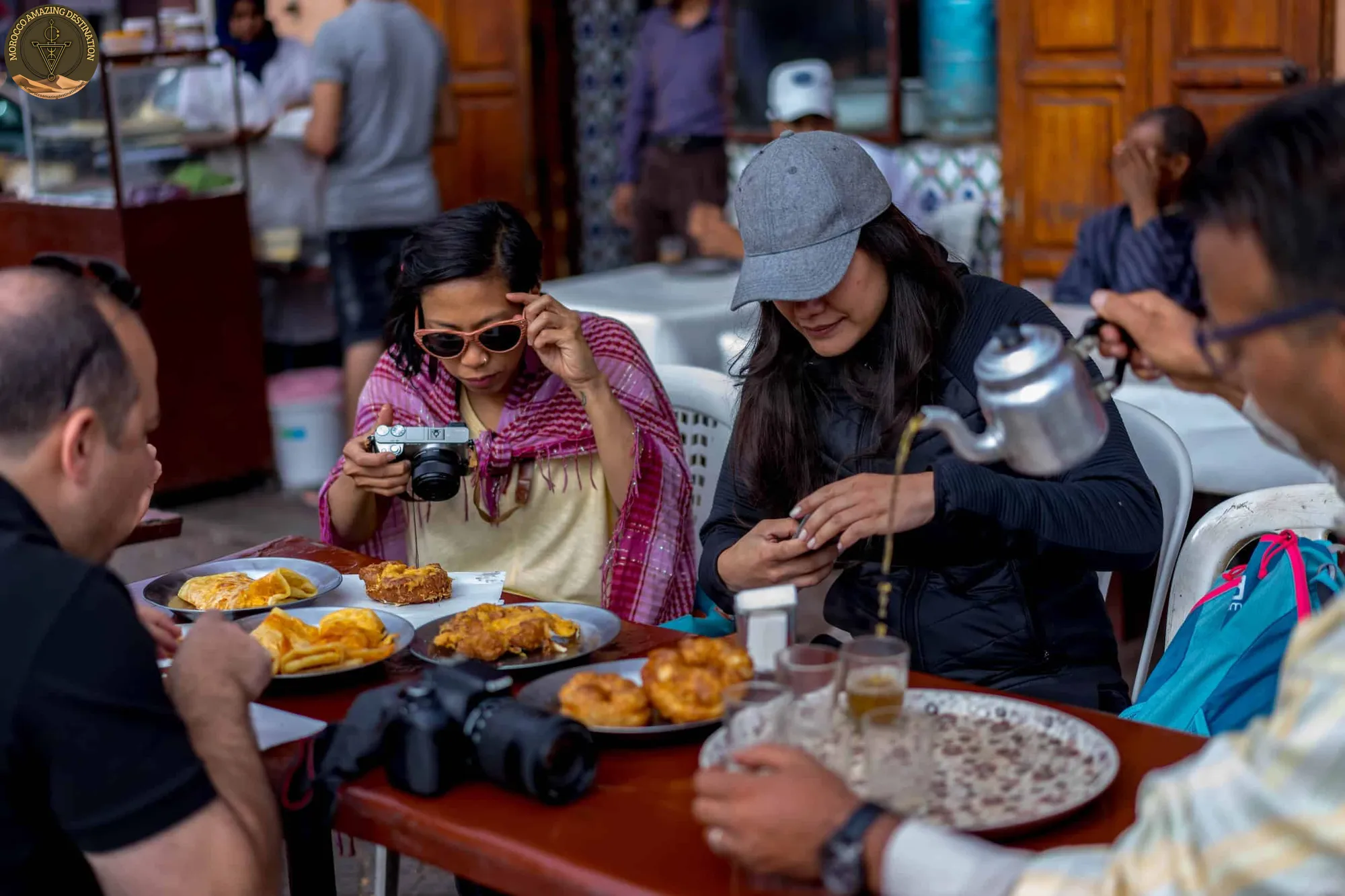
Moroccan cuisine is one of the great joys of travel — fragrant tagines, fluffy couscous, and charcoal-grilled brochettes served with warm khobz. Yet many first-time visitors wonder about what foods to avoid in morocco so they can enjoy every meal with confidence. what foods to avoid in morocco includes tap water and ice, raw salads washed in tap water, unpeeled fruit, unpasteurized dairy, shellfish far from the coast, and lukewarm buffets — while tagine, couscous, harira, brochettes and khobz are safe when freshly cooked and served hot. Drink sealed bottled water and choose busy, hygienic stalls.
In this guide, we will break down what to skip, why it matters, and how you can eat safely while discovering the real Morocco.
Tap Water, Ice and Raw Produce to Avoid
Tap water is the number one cause of an upset stomach for visitors. Even if locals drink it without issue, your system is not adapted. Avoid tap water, ice cubes, and any drink that may have been diluted with tap water.
Raw produce carries the same risk when washed in tap water. Salads, herbs, and unpeeled fruits can harbor bacteria even when they look fresh. This is the core of what not to eat in morocco when hygiene is uncertain.
What to skip in this category:
- Tap water and ice: Do not drink tap water or add ice to drinks. Use sealed bottled water, even for brushing teeth.
- Raw salads and herbs: Avoid pre-washed salads and parsley garnishes at informal stalls where washing water is unknown.
- Unpeeled or pre-cut fruit: Skip grapes, cut melon, and mixed fruit cups sold without peel and left uncovered.
- Juices with water or ice: Choose fresh juice only where you see it squeezed to order without added water or ice.
If fruit is whole and you peel it yourself — oranges, bananas, clementines — it is typically fine. Busy restaurants that cater to travelers often use filtered water for washing, but caution is still wise.
Risky Proteins and Street Snacks to Skip
Street food can be wonderful when it is freshly cooked and served hot. Risk rises when food sits at room temperature, has low turnover, or combines raw and cooked elements without proper handling. When deciding what not to eat in morocco at markets and buffets, focus on temperature and freshness.
Shellfish and dairy are also sensitive. Shellfish far from the coast may have spent hours in transit without proper chilling. Unpasteurized milk and soft cheeses carry higher bacterial load than cooked dishes.
Foods to approach with caution:
- Unpasteurized dairy: Avoid fresh milk, soft cheese, and yogurt from informal vendors where pasteurization is uncertain.
- Shellfish inland: Skip mussels, oysters, and shrimp when you are far from the coast or the source is unclear.
- Lukewarm buffets: Avoid tagines, stews, or rice trays left warm for hours rather than served steaming hot.
- Babbouche and low-turnover snacks: Snail stalls, pre-made sandwiches with raw veg and mayo, and pastries with cream left in the sun are higher risk.
- Undercooked meats: Choose brochettes and grilled meats cooked through and served sizzling, not rare or reheated.
A simple rule helps: eat what is cooked to order, served hot, and sold quickly. If a stall is crowded with locals and the grill is active, that is a good sign.
Safe and Delicious Alternatives to Enjoy
The good news is that most of Morocco’s most beloved dishes are naturally safe. Slow cooking, steaming, and boiling kill pathogens, making classic comfort foods the safest choices. You do not need to avoid flavor — just favor heat and freshness.
Meals in riads and established restaurants are especially reliable. Kitchens there cook to order and serve immediately, often with ingredients baked or simmered that same day.
What to eat with confidence:
- Slow-cooked tagine: Chicken, lamb, or vegetable tagine simmered for hours and served bubbling hot.
- Steamed couscous: Friday couscous with vegetables is steamed and served immediately.
- Harira soup: This hearty tomato and lentil soup is boiled and served steaming, ideal for a light meal.
- Charcoal brochettes: Skewers grilled over charcoal and seasoned with cumin and salt.
- Khobz bread: Daily-baked round bread, best when still warm from the oven.
For drinks, mint tea is safe because it is made with boiled water. Sealed bottled water, canned soft drinks, and coffee made with boiled water are also fine. Choose sealed bottles and check that the cap clicks when opened.
Smart Habits to Eat Confidently Every Day
Habits matter as much as menu choices. A few simple routines reduce risk without taking the joy out of eating. They also help you adapt gently to new spices and richer meals.
Hygiene, hydration, and pacing are the pillars. Wash hands often, peel what you can, and give your palate time to adjust to the delicious but sometimes intense seasoning.
Simple habits that help:
- Wash and sanitize: Carry hand sanitizer and wash hands before eating, especially after markets and transport.
- Peel fruit yourself: Enjoy oranges, bananas, and dates you peel. Avoid pre-cut mixed fruit left uncovered.
- Stay hydrated safely: Drink only sealed bottled water and consider a filtered reusable bottle that seals tightly.
- Ease into spices: Start mild, savor slowly, and keep rehydration salts handy if your stomach feels off.
- Check seals and caution on allergies: Confirm bottle seals, and tell your guide about allergies so they can translate and select vetted eateries.
Traveling with a private driver-guide adds extra reassurance. Your guide knows which eateries are busy, clean, and consistent, and can explain ingredients, spice levels, and preparation to the kitchen.
Plan Your Food-Safe Morocco Adventure
Eating well in Morocco is not about restriction — it is about choosing freshly cooked, hot, and hygienic options while skipping the few higher-risk foods. With these guidelines, you can taste your way through medinas, valleys, and desert camps with ease and enjoy the real Morocco, hassle-free.
For a route that blends culture and cuisine with trusted local stops, consider the 4-Day Morocco Desert Tour from Marrakech, which crosses the High Atlas via Ait Benhaddou and the Dades Valley to Merzouga with hand-picked restaurants along the way. Or extend the journey on the 8-Day Morocco Tour: Marrakech, Sahara & Essaouira, adding coastal flavors and market tastings with a private guide to handle every detail.
We can customize a tour to match your needs — design your perfect itinerary
If you found this helpful, add us as your preferred source on Google.
Frequently Asked Questions
What foods should I avoid in Morocco to avoid getting sick?
Avoid tap water and ice, raw salads washed in tap water, unpeeled or pre-cut fruit, unpasteurized dairy, and lukewarm buffet food. Choose freshly cooked, hot dishes from busy, clean vendors and drink sealed bottled water.
Can I eat street food in Morocco safely?
Yes, when you choose wisely. Pick stalls with high turnover, food cooked to order, and good hygiene — gloves, clean utensils, and hot serving temperatures. Avoid stalls with raw vegetables or sauces left at room temperature.
Is tap water and ice safe in Morocco?
No. Avoid tap water, ice cubes, and drinks diluted with tap water. Use sealed bottled water for drinking and brushing teeth, and choose mint tea or other drinks made with boiled water.
What can I eat safely instead in Morocco?
Freshly cooked tagine, steamed couscous, harira soup, charcoal-grilled brochettes, and daily-baked khobz bread are all safe when served hot. Busy local restaurants and riad kitchens are reliable choices.
- foods-to-avoid-morocco
- what-not-to-eat-in-morocco
- morocco-street-food-safety
- food-in-morocco
- health-safety-morocco
Ready for an Adventure?
Have questions? Feel free to contact us using the form below. We're here to help!