· Travel · 6 min read
Fun Facts About Marrakech: Red City Guide for First-Timers
Fun facts about Marrakech, from the Red City walls to the medina and Atlas views, with trip ideas for first-timers.
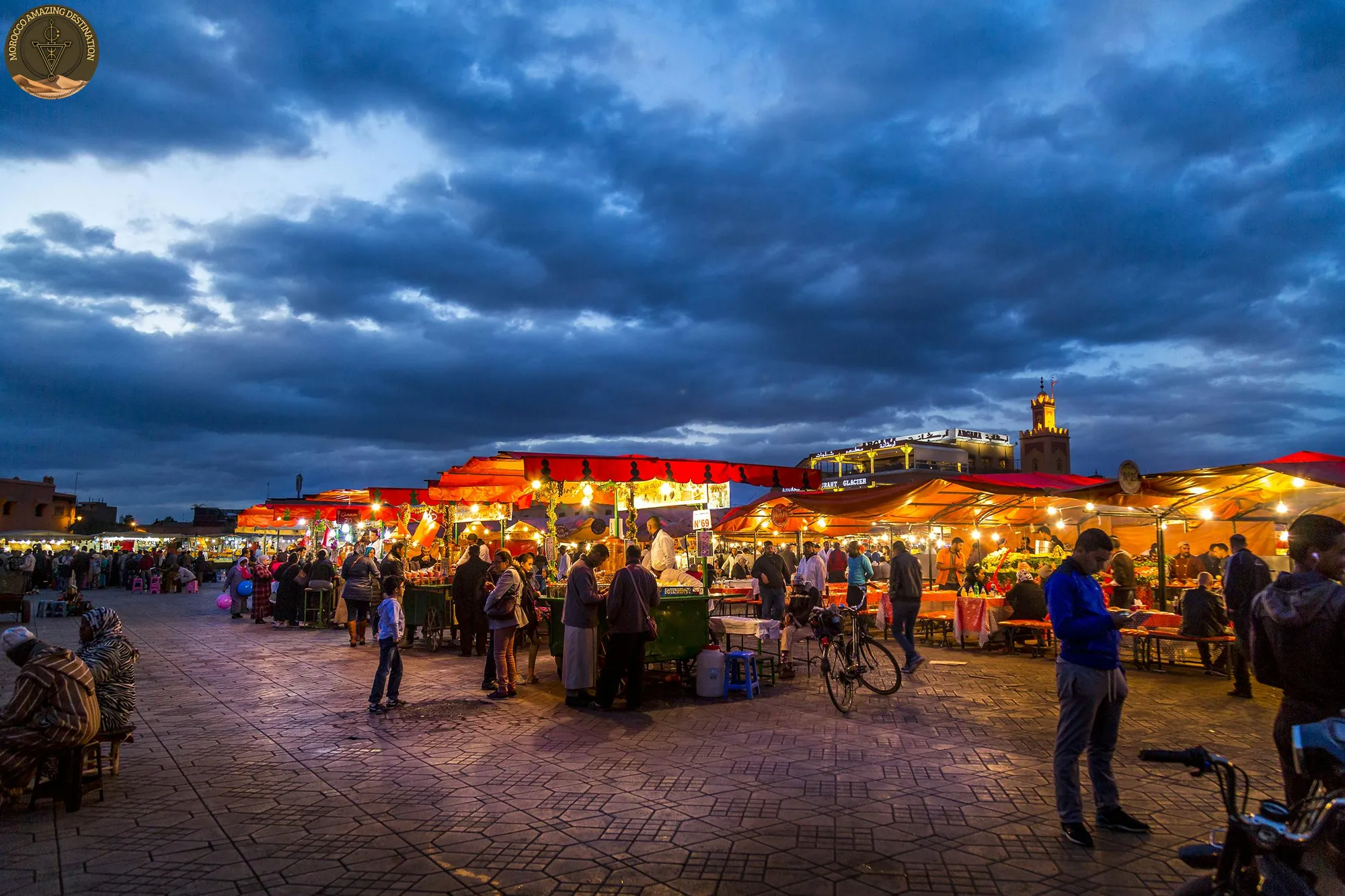
Arrive in Marrakech near sunset and the old walls turn copper red. That first glow explains many of the best fun facts about Marrakech. The city was founded in the 11th century by the Almoravids and grew so important that the country took its international name from it. Most historians trace the old Berber name to a phrase often rendered as Land of God.
In this guide, we will break down five groups of facts and how you can visit them on a private tour with a local driver.
Why Marrakech Is Called the Red City
Locals call it the Red City, and you see why on the drive in. The old ramparts and many houses use pise, a mix of clay and earth that stays cool in summer and holds warmth in winter. Local stone adds the same rust tone, so whole quarters glow pink at midday and deep red at dusk. The tone shifts through the day, which is why photographers return to the same gate twice.
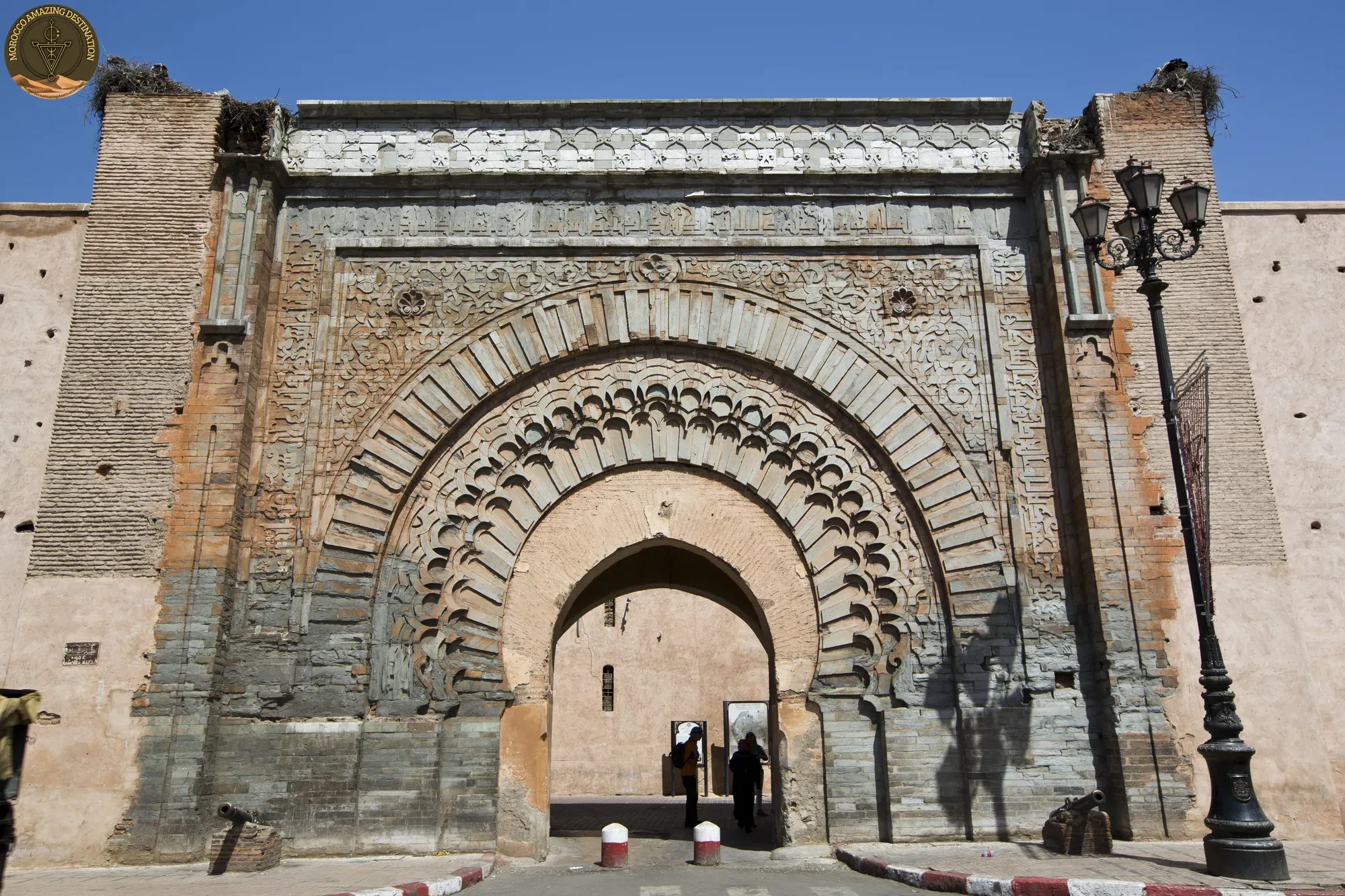
That color is tied to marrakech history. Marrakech served as an imperial capital for long stretches, and caravan traders knew the city well before they knew the wider country. The international name Morocco grew out of that city name, which still surprises first-time visitors.
Walk the gates in the late afternoon, when long shadows line the walls. A private guide can point out which sections are original rampart and which were rebuilt, which makes the story easier to remember. Bring water and start at Bab Agnaou, one of the best-known gates, then follow the wall toward the Kasbah.
The Medina and Jemaa el-Fnaa - A Living Heritage
The marrakech medina is a UNESCO World Heritage site, listed for its palaces, mosques, ramparts, gates, gardens and palm grove setting. It works as a real neighborhood rather than a museum, with families, workshops and small riad courtyards hidden behind plain doors. Arrive with a local guide and the maze feels friendly within an hour.
What to expect inside:
- Covered souks: lanes grouped by craft, from metalwork to leather and lamps.
- Quiet riads: plain doorways that open onto tiled courtyards with fountains.
- Small squares: bakeries, butchers and tea stalls that serve residents first.
- Ben Youssef area: a historic college and narrow streets that reward a slow walk.
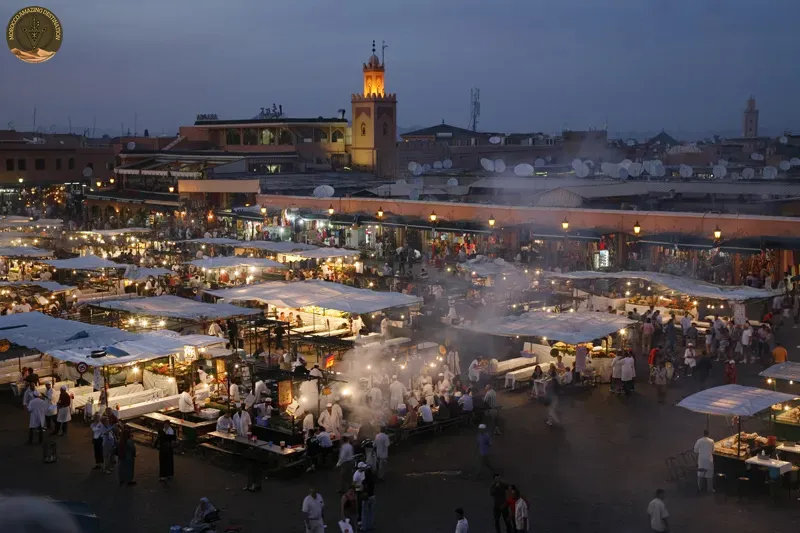
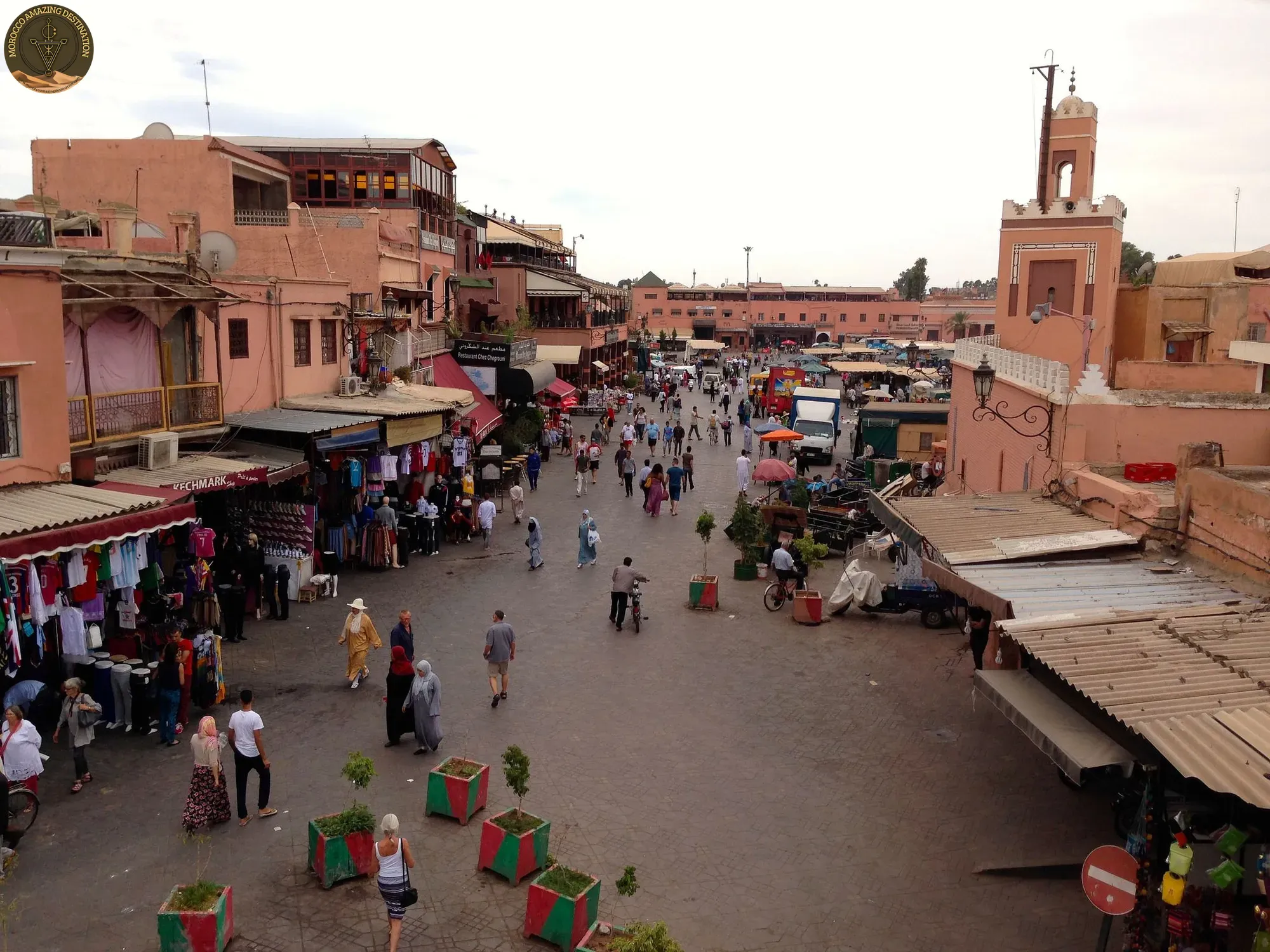
Beside the souks lies Jemaa el-Fnaa, the great open square. It holds a separate UNESCO recognition as Intangible Cultural Heritage, for storytellers, musicians, food stalls and daily gathering life. Come once in daylight for juice stalls and open space, then return after dark when grills light up and drummers form circles. If you enjoy this kind of trivia, our broader guide to interesting facts about Morocco covers the whole country next.
Gardens, Palaces and the Koutoubia Skyline
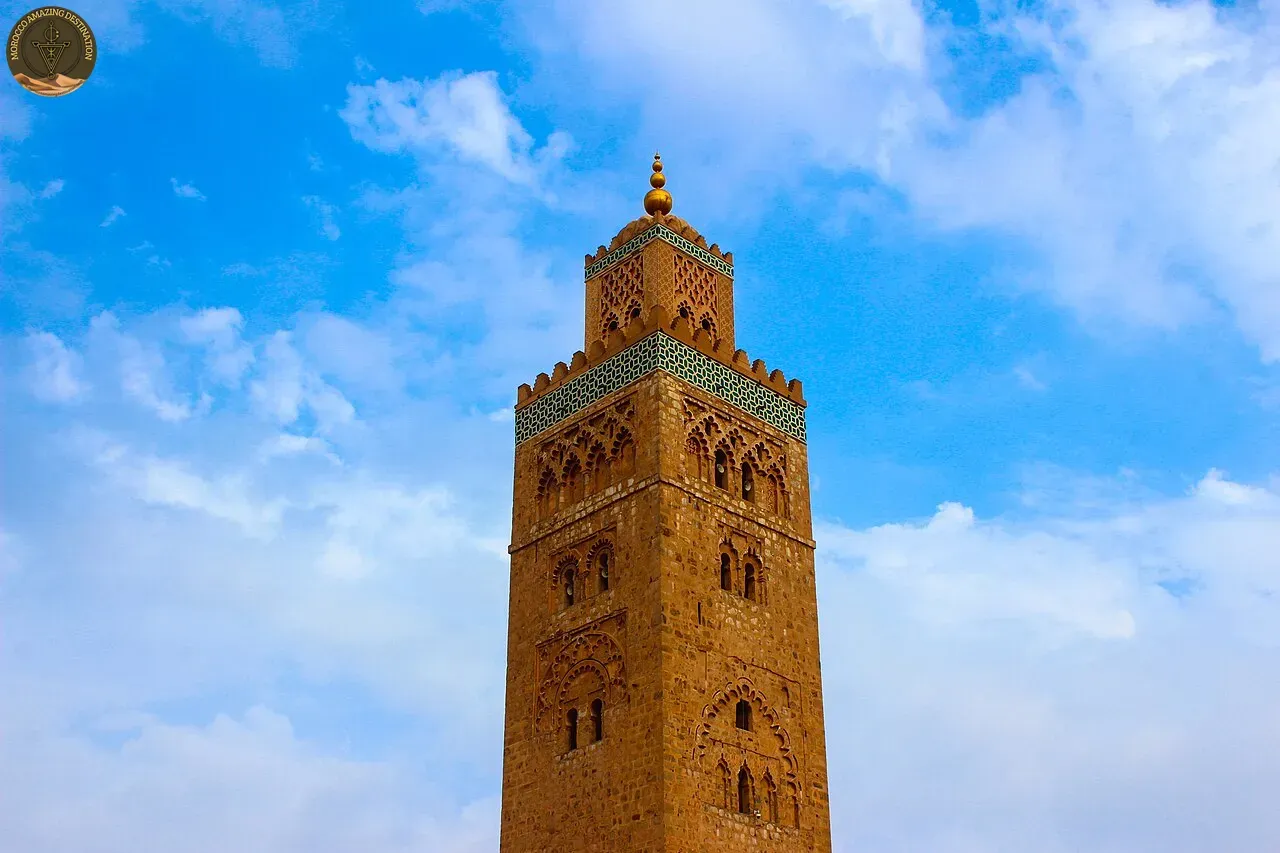
The Koutoubia minaret sets the skyline. Raised under the Almohads, it stands about 77 meters tall and works as a landmark you can see from many rooftops. Its proportions later influenced towers in Seville and Rabat, which your guide will point out from the gardens below. Non-Muslim visitors cannot enter, but the gardens and nearby square give fine views.
Landmarks worth pairing with it:
- Bahia Palace: painted ceilings, courtyards and rooms built for a large household.
- Saadian Tombs: tiled chambers found again after long years behind walls.
- Ben Youssef Medersa: carved plaster, cedar and zellige around a calm courtyard.
For green breaks, Marrakech keeps several gardens with different moods. The Majorelle Garden began as an artist garden and later passed into the care of Yves Saint Laurent, with cobalt walls and dense planting. Menara and Agdal use large basins that mirror the sky, and the Secret Garden in the medina offers shaded paths a short walk from the souks. Pack a hat and go early, since midday light is strong and the paths fill quickly.
Two Faces of the City - Old Medina and Modern Gueliz
Marrakech has two centers, and one useful group of things to know about marrakech concerns how they differ. The medina packs life into narrow lanes, rooftop terraces and small plazas. Street names change often, so a guide helps more here than in Gueliz. Gueliz, laid out in the early 20th century, spreads out along wide avenues with cafes, galleries, bookshops and modern restaurants.
First-timers often like the mix. Spend the morning in the souks with a local guide, rest through the hot midday hours, then head to Gueliz for an easy dinner and a stroll. The change of pace helps families and older travelers, since pavements are wider and traffic is simpler to read. Many galleries offer free entry, so an evening there costs little.
A private driver removes the guesswork between the two areas. Pickup from your riad, a set meeting time and a clear plan for the day keep things simple, especially on a first visit.
Beyond the Walls - Atlas Views, Film Sets and Easy Day Trips
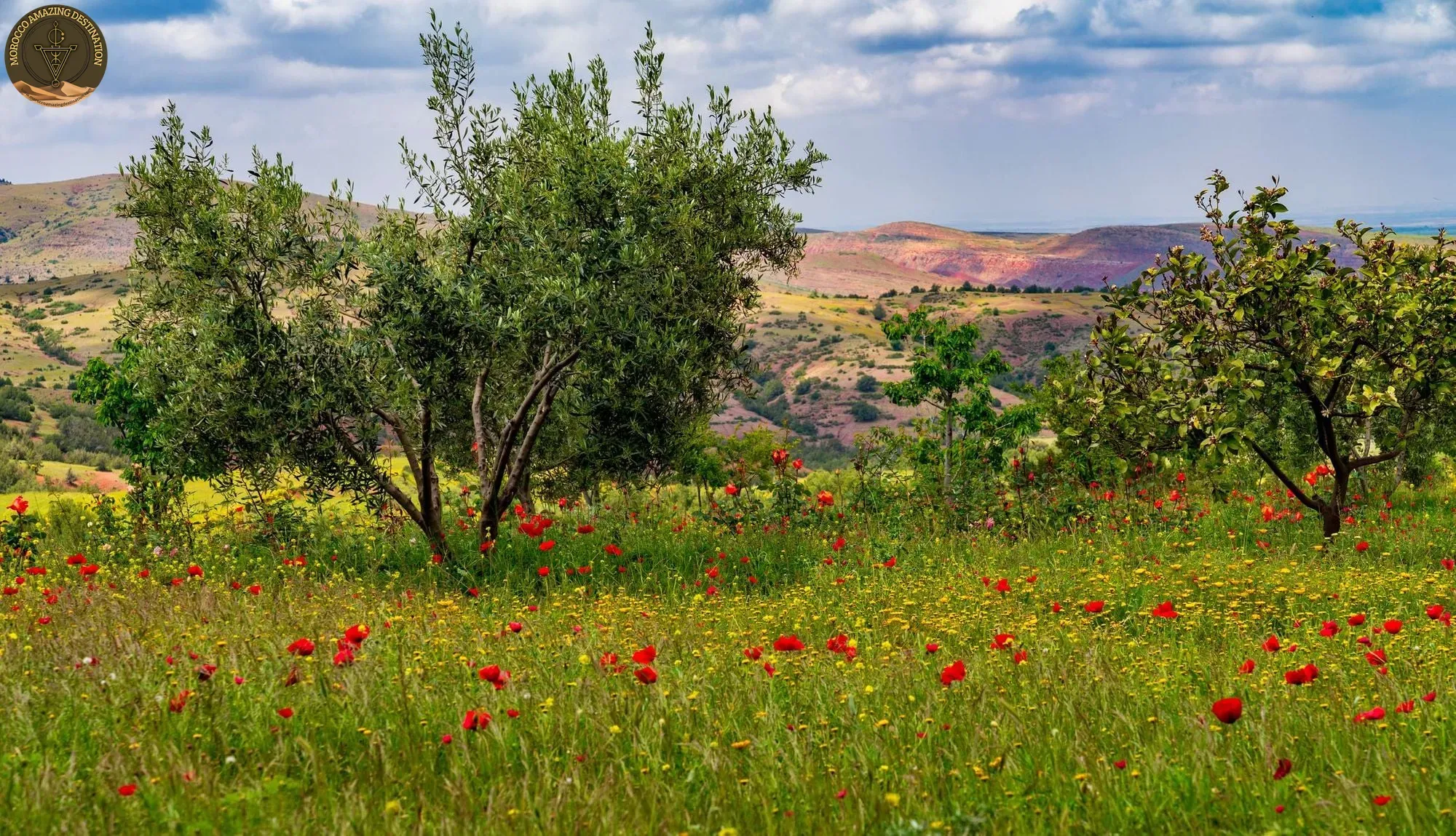
On clear mornings the Atlas line sits behind the city like a backdrop. The high peaks rise past 4,000 meters, and snow lingers for months while Marrakech stays mild. Head to a rooftop at breakfast and you will spot the ridge without leaving town.
Simple trips that start in Marrakech:
- Ourika Valley: gardens, riverside lunch spots and Berber villages.
- Imlil foothills: walnut groves and short walks with mountain guides.
- Agafay Desert: pale rocky ground, camel rides and sunset camps.
Film crews have used the wider region for years, with desert and kasbah scenes shot around Ouarzazate for productions such as Gladiator. You can fold a studio visit and the fortified village of Ait Benhaddou, a UNESCO World Heritage site, into a road trip toward the Sahara.
Marrakech rewards slow looking: red walls, a working medina, gardens and a mountain horizon in one frame. For a route that links the city with the desert and the coast, the 8-Day Morocco Tour: Marrakech, Sahara Desert and Essaouira Adventure covers the highlights with private transport and hand-picked riads. If you want more road time, the 10 Days in Morocco: Ultimate Private Tour from Marrakech to the Sahara adds extra days at an easy pace. Both run with private drivers and local guides, so you set the pace and choose where to linger.
We can customize a tour to match your needs - design your perfect itinerary
If you found this helpful, add us as your preferred source on Google.
Frequently Asked Questions
Why is Marrakech called the Red City?
Marrakech is called the Red City because its old ramparts and many buildings use red clay, pise earth and local red sandstone. The walls glow pink at midday and deep red near sunset, which gives the whole old town its color.
Is the Marrakech medina a UNESCO World Heritage site?
Yes. The medina of Marrakech is listed as a UNESCO World Heritage site for its palaces, mosques, ramparts, gates, gardens and palm grove setting. Jemaa el-Fnaa square holds a separate UNESCO recognition for living culture, not the same listing.
What is Jemaa el-Fnaa famous for?
Jemaa el-Fnaa is famous for its daily gathering life: storytellers, musicians, henna artists, juice stalls by day and grill stalls with drummers after dark. Visit once in daylight and once in the evening to see both sides.
What are good day trips from Marrakech?
Easy options include the Ourika Valley and Imlil in the Atlas foothills, the Agafay Desert for a short camel ride, and Essaouira for the coast. A private driver makes each one possible in a day with hotel pickup.
Ready for an Adventure?
Have questions? Feel free to contact us using the form below. We're here to help!