
· Travel · 5 min read
How Moroccan Architecture Stays Cool: Earth, Riads, Ksars
Thick earth walls, shaded riad courtyards and compact ksour keep Morocco cool without machines. See how it works and where to notice it.
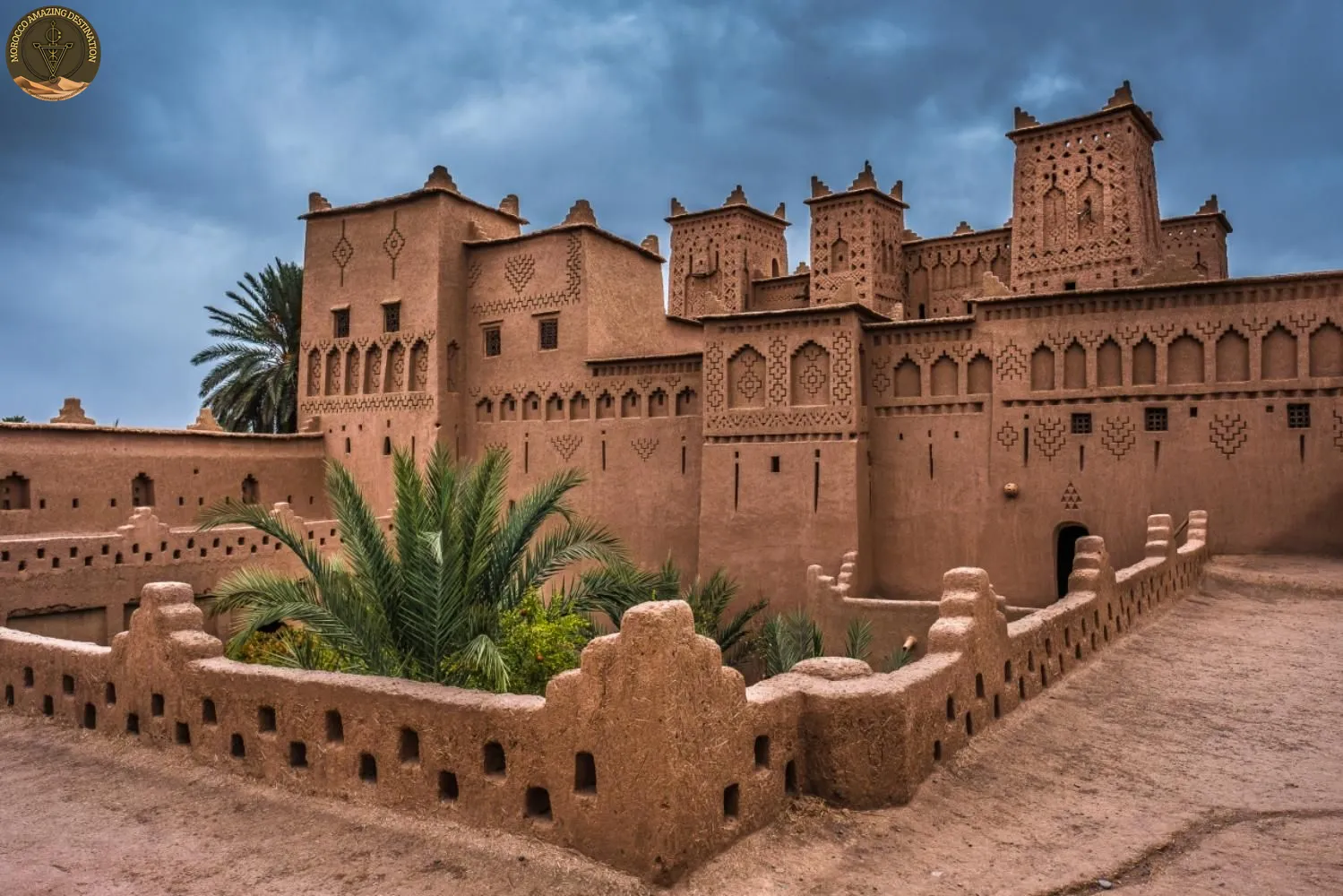
Step off a sunlit lane in Fez into a riad patio and the temperature seems to drop a few degrees in one stride. That relief is no accident. The question of how Moroccan architecture stays cool has a practical answer. In short, thick earth walls slow the midday heat, shaded courtyards move air through the rooms around them, and compact village layouts hold the streets in shadow, so interiors stay comfortable without machines, using mass, shade, and airflow instead of air conditioning.
In this guide, we will break down the three cooling tricks - heavy walls, courtyards, and tight village plans - and show where to notice each one on your route. For styles and history beyond cooling, see our Moroccan architecture guide.
Why Stepping Inside Feels Cooler
Three things meet you at the door: shade, mass, and moving air. The lane outside throws heat off pale walls and hard ground. Inside, a thick envelope blocks that glare, and the rooms sit around shadow instead of sun.
Your skin reads the change before your eyes adjust. Cool surfaces draw warmth off your body, so you feel relief within seconds. A light draft often crosses the hall, pulled from a court or stairwell, and sweat dries faster. Even the floor helps, since stone or packed earth pulls heat straight from your soles.
Builders here worked without compressors, so they shaped the plan itself. Small openings face the street. Big ones face an inner court. Each choice trims the afternoon peak a little, and those savings stack up through the hottest hours.
Earth Walls That Slow the Heat
South of the High Atlas, whole villages rise from the ground they stand on. Builders ram damp earth into wooden frames, layer by layer, until the wall stands nearly a meter deep. Adobe brick does the same job where straw and sun suit it better.
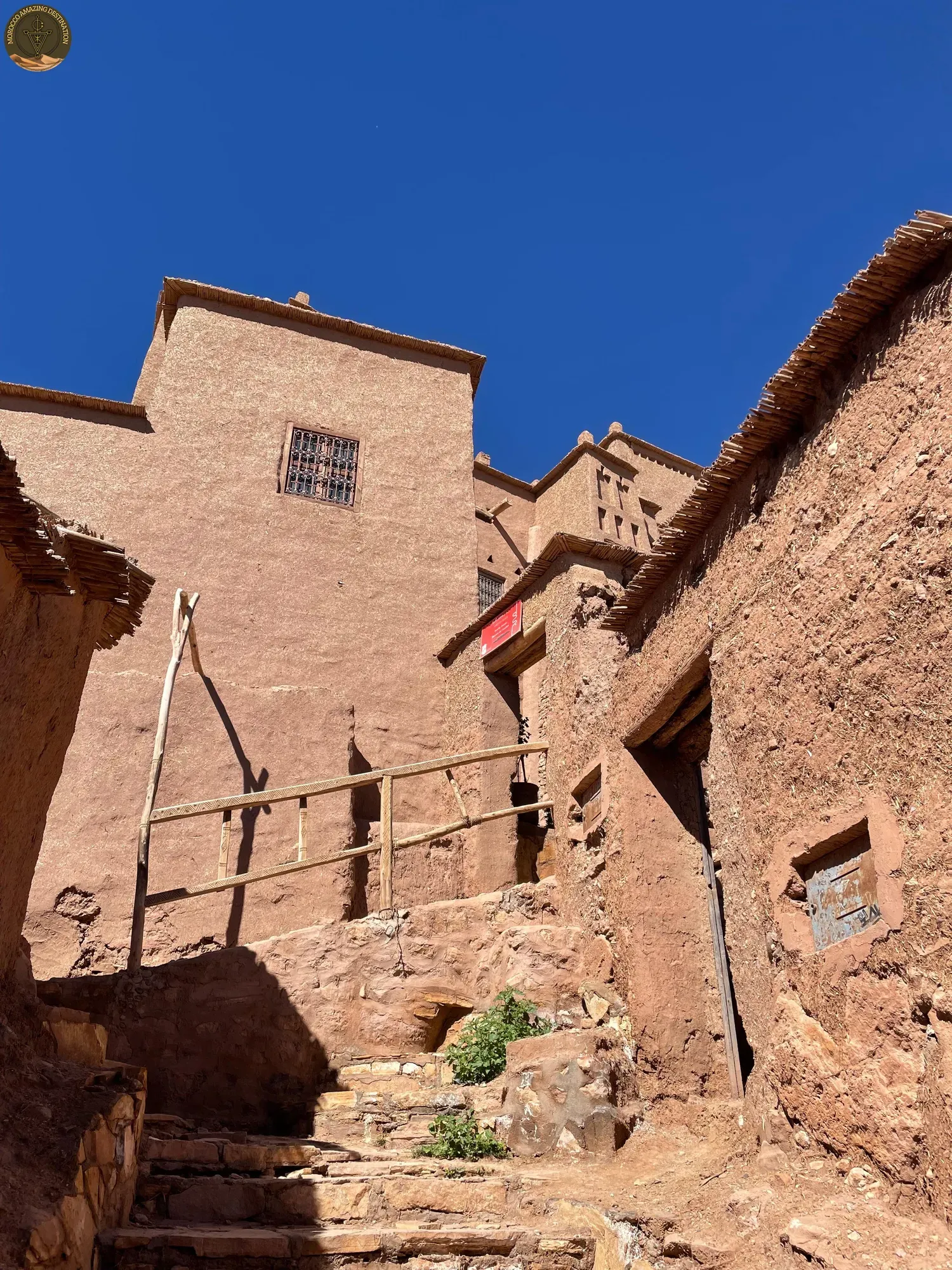
The mass takes in heat slowly. Day warmth creeps inward for hours, and by the time it reaches the room, evening air has cooled the outer face again. Studies of courtyard houses in Fez describe a lag of roughly eight to twelve hours, which pushes the worst heat past bedtime.
Details tune the effect, and the list below shows rammed earth Morocco passive cooling in practice:
- Rammed earth: damp soil pressed in frames sets hard and dense, so heat crosses slowly.
- Adobe brick: sun-dried blocks mixed with straw, common near palm groves where both sit close.
- Pale coatings: lime and earth washes throw back sunlight and seal the wall face against wind and rare rain.
Concrete changed this balance. A thin cement-block wall passes heat fast and stores little, which is why newer rooms often feel hotter than their earthen neighbours by mid-afternoon.
The Courtyard as a Cooling Engine
A Moroccan riad courtyard cooling plan turns the house inward. Rooms face a central court, not the street, and the court behaves like a shaded well. Sun strikes it for short spells only, while tall walls keep the lower rooms dim through the worst hours.
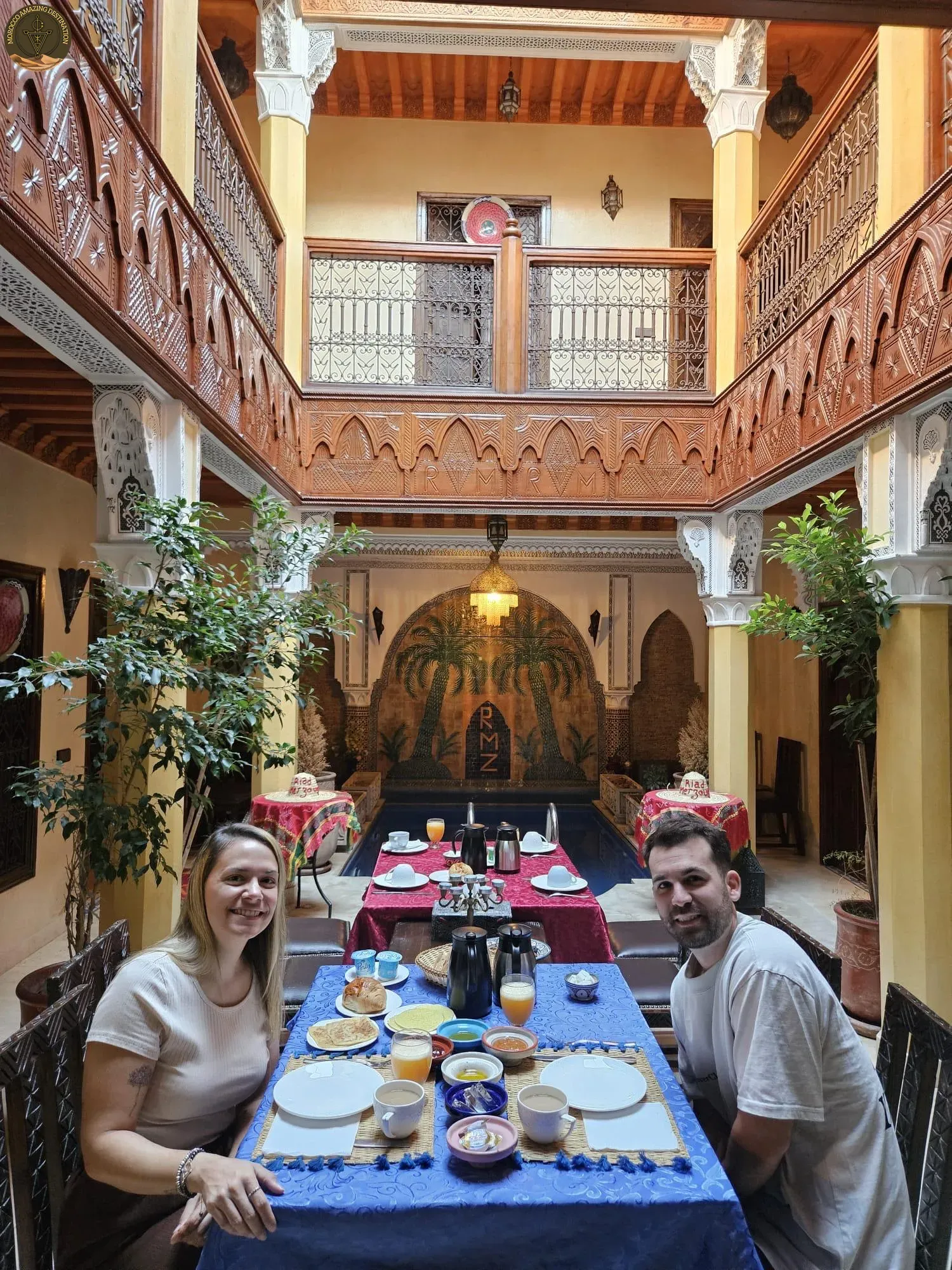
Air does the rest. Warm air lifts out over the roof, and cooler air settles down among the tiles. A small fountain or a few plants feed moisture into that loop, so the draft reaching the sitting rooms feels a degree or two softer.
What to look for when you step in:
- Inward rooms: doors and windows open onto the court, leaving the street face nearly blind.
- Small high windows: narrow openings vent hot air while stopping direct sun.
- Water and planting: a fountain or an orange tree raises humidity and cools the draft.
- Shade covers: canvas or vine shade cuts the noon spike over the open court.
Sit in one through mid-afternoon and the difference holds. The court stays dim while the lane outside glares.
The Village as One Thick Building
Step back and the same logic covers a whole settlement. A ksar architecture heat answer starts with density: houses share walls, lanes run narrow, and upper floors lean close enough to shade the path below.
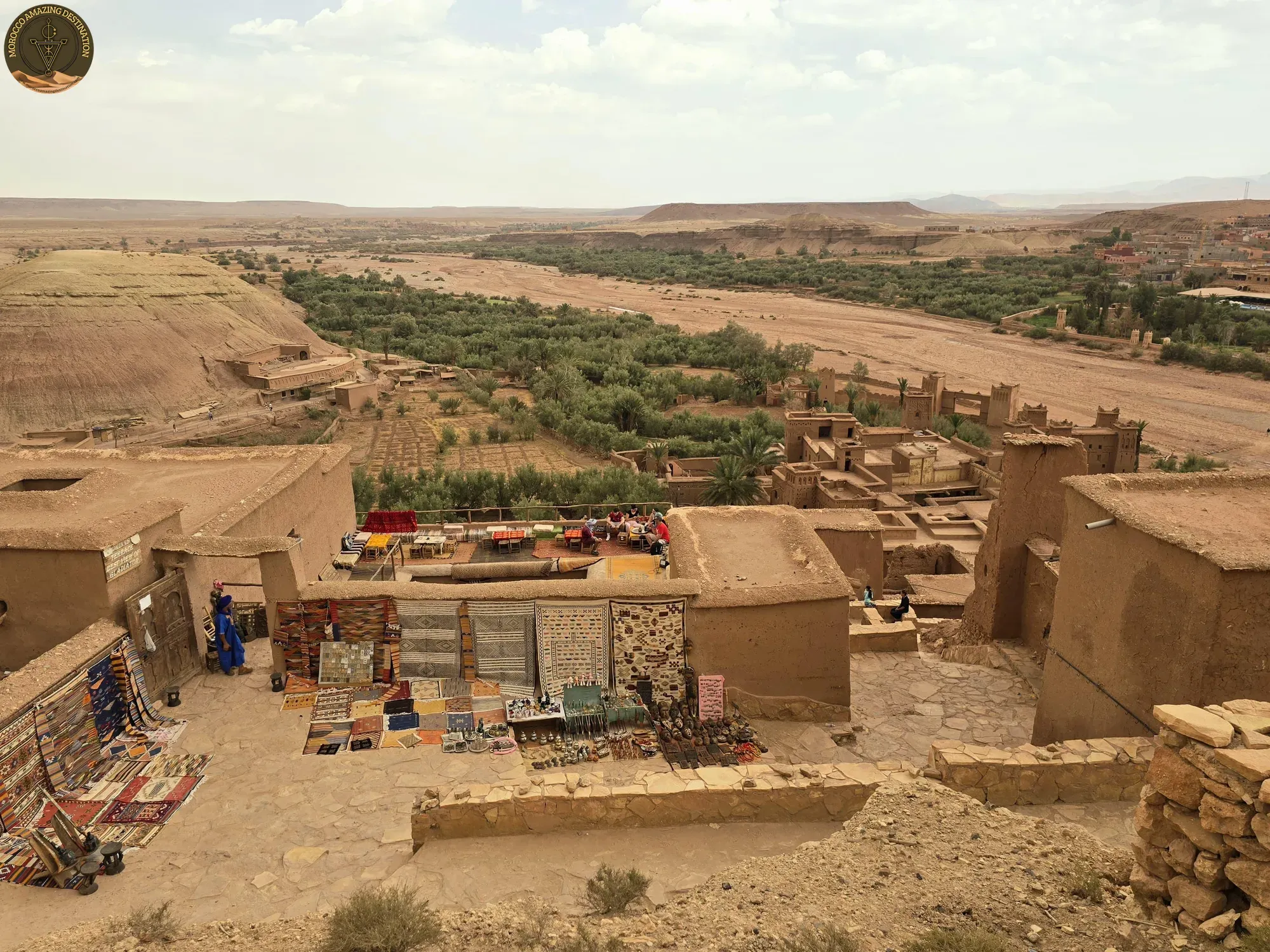
A ksar reads as one thick structure with alleys cut through it. That shared mass slows heat the way a single wall does, only at village scale. Covered passages give walkers shade at noon, and high outer walls blunt dust and wind before they reach the doors.
How the village keeps its cool:
- Shared walls: neighbours build against each other, so less surface meets the sun.
- Narrow shaded lanes: tight alleys hold shadow through most of the day.
- Oasis siting: palms and water sit beside the walls and temper dust and dry wind.
- Flat earth roofs: roof terraces catch evening air and double as summer sleeping places.
The UNESCO World Heritage site of Ait Benhaddou shows the pattern intact: earthen mass, tight lanes, and a river plain feeding the fields below.
What to Notice on Your Route
Two stops teach the whole lesson. In Fez, walk the medina at midday and feel how little sun reaches the ground. Then head south past the High Atlas, where pise walls grow thicker and villages huddle tighter as the air dries.
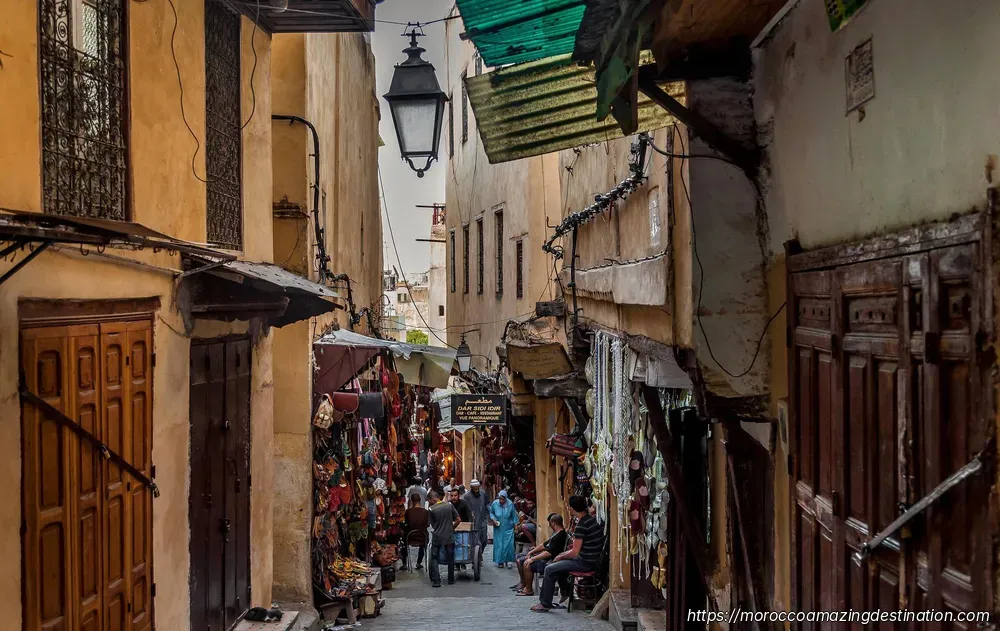
A private driver makes the comparison easy, since the coolest details hide in ordinary houses and lanes rather than behind ticket desks. Our local team times the route for shade and books hand-picked riads, plus a luxury camp in the desert. Travellers rate these private trips 4.9 across 120 reviews and often say the crew felt like family by the end.
Travellers on our 8-day tour from Marrakech to the Sahara and Essaouira cross both worlds in one trip, from courtyard houses to southern earth towns. For a shorter southern loop, the 4-day desert tour from Ouarzazate runs straight through ksar country. Pair either with our Moroccan architecture guide for the wider styles story.
We can customize a tour to match your needs - design your perfect itinerary
If you found this helpful, add us as your preferred source on Google.
Frequently Asked Questions
Why are Moroccan riads cool without air conditioning?
Thick walls slow daytime heat, rooms face a shaded central court instead of the street, and rising warm air pulls cooler air through the house. A fountain or planting adds moisture to that draft.
How do rammed earth walls keep houses cool in Morocco?
Dense pise and adobe walls take hours to pass heat inward, a lag of roughly eight to twelve hours. By the time warmth reaches the room, night air has cooled the outer face again.
What is a ksar and why does it stay cool in the heat?
A ksar is a fortified earthen village, often built as one dense mass with shared walls and narrow lanes. The tight plan holds streets in shadow and slows heat across the whole settlement.
Where can I see passive cooling architecture in Morocco?
Walk the Fez medina at midday for shaded lanes and courtyard houses, then travel south past the High Atlas to the earthen ksour. Private tours with a local driver cover both landscapes in one trip.
- moroccan-architecture-cooling
- passive-cooling-morocco
- riad-courtyard
- rammed-earth-morocco
- ksar-architecture
Ready for an Adventure?
Have questions? Feel free to contact us using the form below. We're here to help!