· Travel · 5 min read
Is Morocco a French Colony? Protectorate History Explained
No — Morocco is independent. Learn how the French protectorate shaped language, cities, and how to visit its legacy.
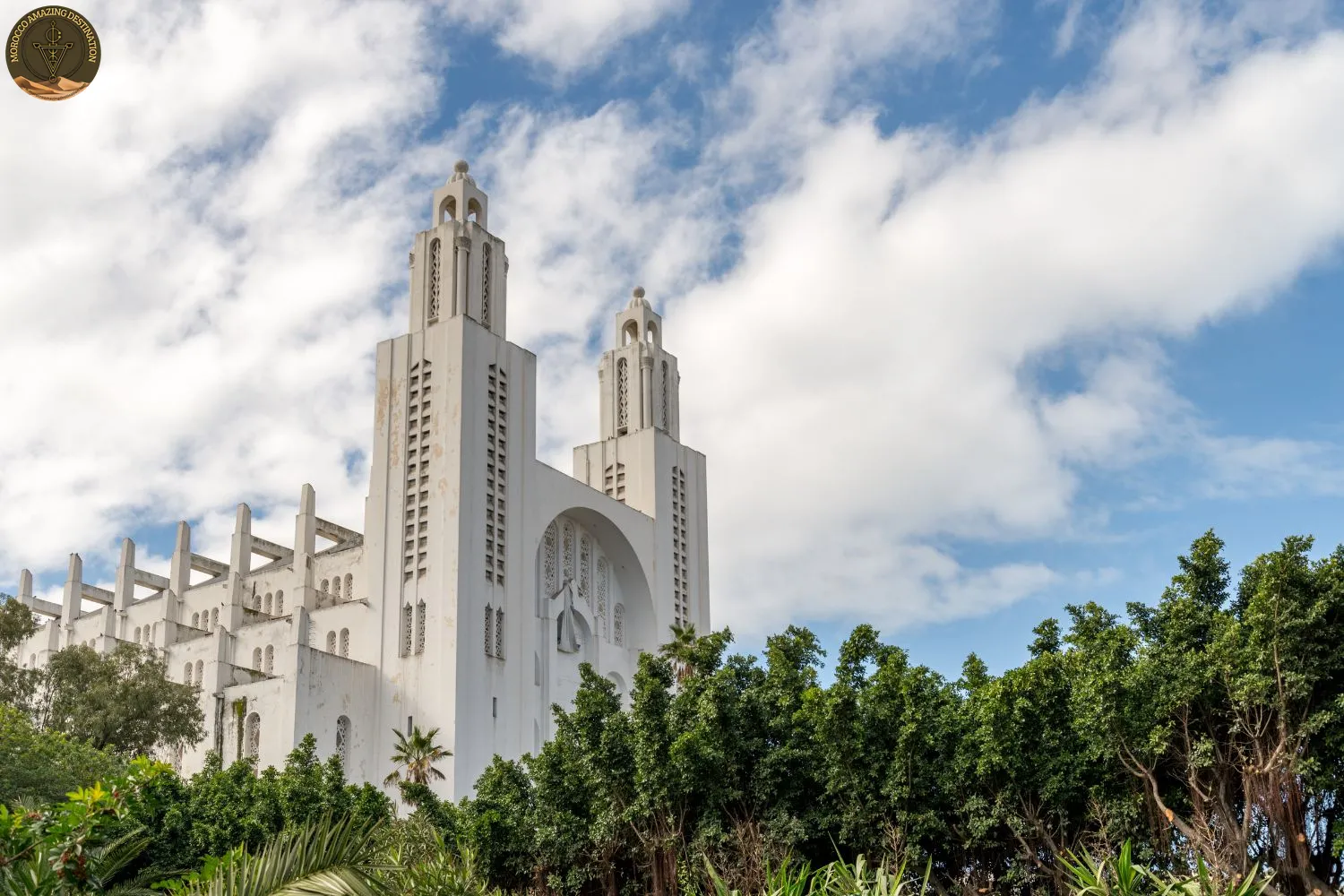
Stroll through Casablanca or Rabat and you will hear French in cafés, banks, and universities. It is natural to wonder: is Morocco a French colony? No — Morocco is a fully independent kingdom today, though France once governed most of the country as a protectorate between 1912 and 1956.
In this guide, we will break down what the French protectorate of Morocco really was, how France ruled, how independence was won, and how you can visit this legacy.
A Protectorate, Not a Colony — What France Actually Set Up
A protectorate is not quite a colony. Under the Treaty of Fez, signed on 30 March 1912, the Moroccan sultan stayed on the throne and the kingdom kept its flag and faith. France, however, took control of foreign affairs, defense, and much of the administration.
This legal distinction mattered. Unlike a settler colony, Morocco kept its monarchy, Islamic courts, and many local institutions. French officials ruled alongside — and often above — Moroccan authorities, which is why historians describe the period as indirect rule.
The arrangement covered most of the country. A smaller northern zone fell under Spain, a story told in our guide to how Morocco was colonized — but the French zone shaped the modern state most deeply.
Why does the wording still matter? Calling it a protectorate explains why the Alaouite dynasty still reigns and why Morocco kept its own legal and religious identity. Travelers asking whether Morocco is a French colony today can answer with confidence: it is not, though the French chapter runs deep.
How France Ruled: Lyautey and the New Cities
The first Resident-General, Hubert Lyautey, set the tone. He chose to preserve the historic medinas while building modern European districts, called Villes Nouvelles, beside them. Rabat became the administrative capital, and Casablanca grew into the country’s great Atlantic port.
France invested in infrastructure that still serves travelers today. Daily life split in two: Moroccan families kept their customs in the medina while French settlers, administrators, and merchants filled the new avenues. The two worlds met in markets, stations, and construction sites, and that mix still shapes city rhythms:
- New districts: wide boulevards and offices rose beside old medinas in Rabat, Casablanca, and Fes.
- Ports and rails: Casablanca’s port expanded fast, and new roads and railways linked cities to mines and markets.
- Phosphate mining: large-scale phosphate extraction began and remains central to the economy.
- French schools: French-language schools trained a new class of administrators and professionals.
Much of this was built to serve French interests first. Still, the stations, boulevards, and avenues remain part of everyday travel across the kingdom. Your train from Casablanca to Rabat still follows routes first laid in those years.
The Road to Independence: Mohammed V and 1956
Resistance never stopped. Even earlier, the Rif and Zaian uprisings had shown how fiercely mountain communities defended their land. Countryside revolts, the Berber Decree protests of 1930, the Istiqlal Party’s 1944 call for independence, and the sultan’s 1947 Tangier speech all raised the pressure. Sultan Mohammed V became the living symbol of the national cause.
The struggle united throne and people. The Istiqlal movement organized petitions and strikes while rural fighters resisted in the mountains. When the French sent the sultan away, boycotts, protests, and attacks spread so widely that Paris had to negotiate.
So when did Morocco gain independence from France? France exiled Mohammed V in 1953, but protests and armed resistance only grew stronger. The sultan returned in November 1955, and France recognized Moroccan independence on 2 March 1956.
- 1930: protests against the Berber Decree unite public opinion behind the nationalists.
- 1944: the Istiqlal Party formally demands full independence for the kingdom.
- 1953–1955: the sultan’s exile sparks nationwide resistance across cities and countryside.
- 1956: the protectorate ends and the independent kingdom is fully restored.
The French Legacy You Still See and Hear Today
This history answers why Morocco speaks French. French spread through schools, offices, and business during the protectorate years. Today roughly one-third of Moroccans speak French — estimates vary — and it remains the language of business, diplomacy, and many universities.
You will notice this bilingual life everywhere as a traveler:
- Street-level bilingualism: signs, menus, and forms often appear in Arabic and French side by side.
- Art Deco Casablanca: the city center holds one of Africa’s finest collections of Art Deco facades.
- Rabat’s Ville Nouvelle: grand avenues and ministries show Lyautey’s urban plan at its clearest.
- Easy conversations: many guides, drivers, and riad hosts switch smoothly between Arabic, French, and English.
Arabic remains the mother tongue, but French opens doors in shops, stations, and offices. Schools teach science subjects in French, and newspapers, TV debates, and café chatter mix both languages with ease.
Plan Your History-Focused Trip Through Morocco
The best way to understand this story is to walk it. Explore Rabat’s Ville Nouvelle and old Kasbah, admire Casablanca’s Art Deco blocks and the Hassan II Mosque, then contrast them with the ancient medinas of Fes and Marrakech — all with a local guide who brings each era to life.
Travel with a private driver and local guide, and the layers become clear. One street shows carved wooden doors, the next shows a 1930s cinema facade. Between them sit hand-picked riads where you rest after full days of discovery.
For a private, tailor-made journey through the real Morocco, consider our 8-Day Tour From Casablanca to Morocco Imperial Cities, which starts in Casablanca and covers Rabat, Fes, and Marrakech. For the full story from north to south, our 15-Day Grand Cultural Tour From Tangier adds Chefchaouen, the Sahara, and the Atlantic coast.
We can customize a tour to match your needs — design your perfect itinerary
If you found this helpful, add us as your preferred source on Google.
Frequently Asked Questions
Is Morocco a French colony today?
No. Morocco is a fully independent kingdom. France governed much of the country as a protectorate from 1912 to 1956, and Morocco regained full independence on 2 March 1956.
What was the French protectorate of Morocco?
It was the system set up by the Treaty of Fez in 1912. The sultan stayed on the throne, but France controlled foreign affairs, defense, and much of the administration across most of the country.
When did Morocco gain independence from France?
Morocco regained independence on 2 March 1956, after the exile and return of Sultan Mohammed V and negotiations with France. The full story is explained in the guide above.
Why does Morocco speak French?
French spread through schools, administration, and business during the protectorate years. Today roughly one-third of Moroccans speak French, and estimates vary, but it remains widely used in business, diplomacy, and universities.
Ready for an Adventure?
Have questions? Feel free to contact us using the form below. We're here to help!