· Travel · 5 min read
Jesus of Nazareth Filming Locations in Morocco: Guide
Find Jesus of Nazareth filming locations in Morocco, from Ouarzazate to Ait Benhaddou, and plan your film-route visit.
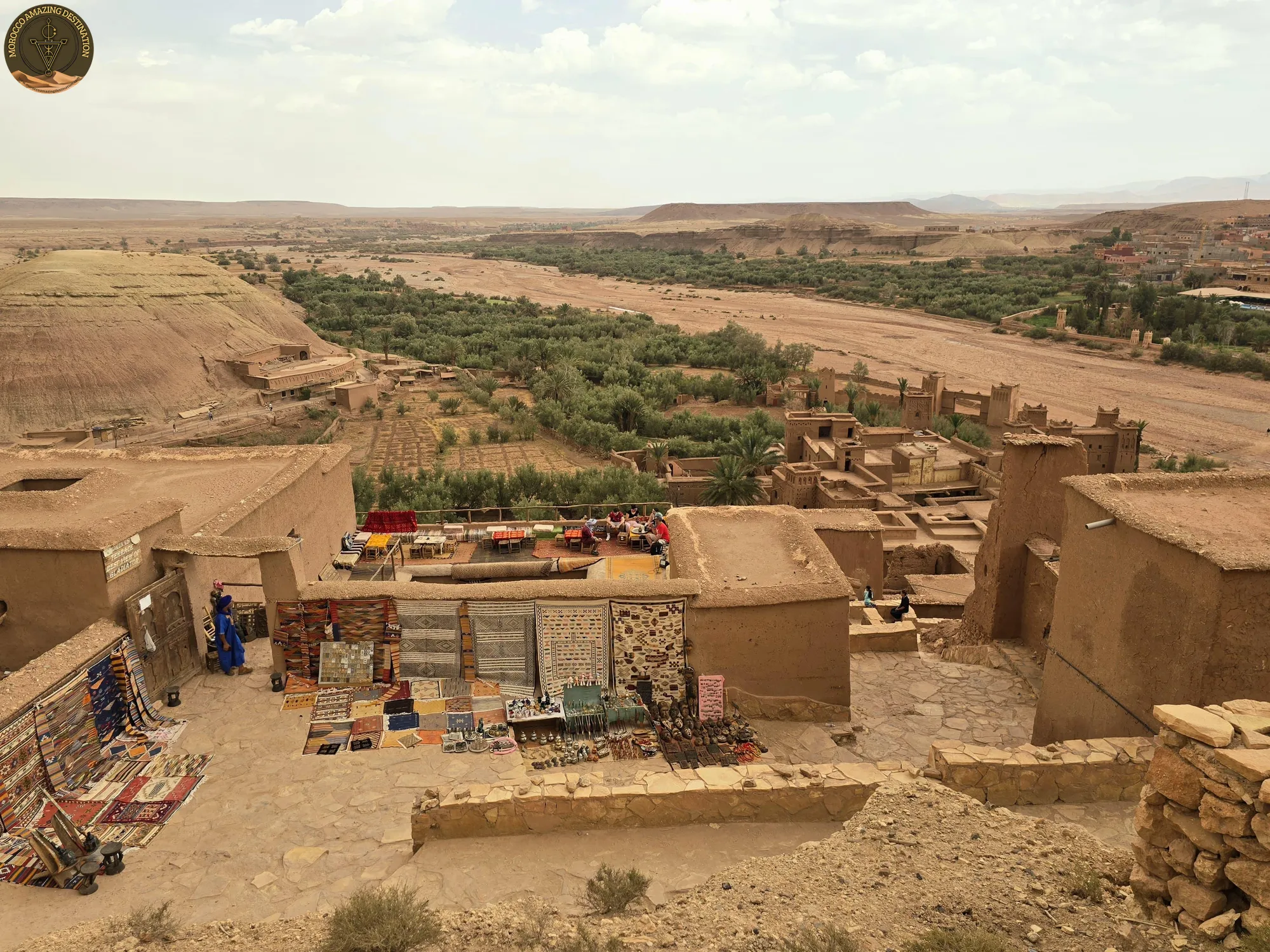
Long before today’s desert blockbusters, one television production put southern Morocco on the biblical-epic map. Franco Zeffirelli’s Jesus story used real Moroccan landscapes for ancient Judea, and fans still trace Jesus of Nazareth filming locations Morocco across the south. The Moroccan leg centered on the Ouarzazate area and the ksar of Ait Benhaddou, with extra scenes around Tinghir, Fertassa, Fes, Meknes and Azrou. It remains a reference point for later biblical shoots across the region.
In this guide, we will break down why Zeffirelli chose Morocco, what each stop looks like today, and how you can visit them on a private route.
Why Zeffirelli Chose Morocco for His Jesus Story
After long scouting across Mediterranean lands, Zeffirelli settled on Morocco and Tunisia for the miniseries. The Zeffirelli Foundation describes a search for arid terrain, clear light and large numbers of local extras. Morocco offered mudbrick towns, palmeraies and desert plains within short drives of each other.
Design talent built on that base. Gianni Quaranta handled production design, with costumes by Marcel Escoffier and Enrico Sabbatini, according to RAI retrospectives. Real streets and real faces gave the Gospel story a grounded feel that studio sets could not match.
That practical mix explains Zeffirelli Morocco filming locations as a working choice. Crews could base in one town and reach plain, oasis and ksar in the same week. Hundreds of local extras filled markets and crowds, which gave group scenes real weight. Producers also valued steady winter light and dry ground, which kept the schedule moving.
Ouarzazate Then vs Now - Herod’s Palace Ground
The Ouarzazate area served as the production’s southern base, including the temporary build for Herod’s palace credited by the Zeffirelli Foundation. Many Jesus of Nazareth Ouarzazate searches assume the work happened at Atlas Studios, yet the studio complex was built years after this shoot. The palace buildings stood on open ground near town and did not survive.
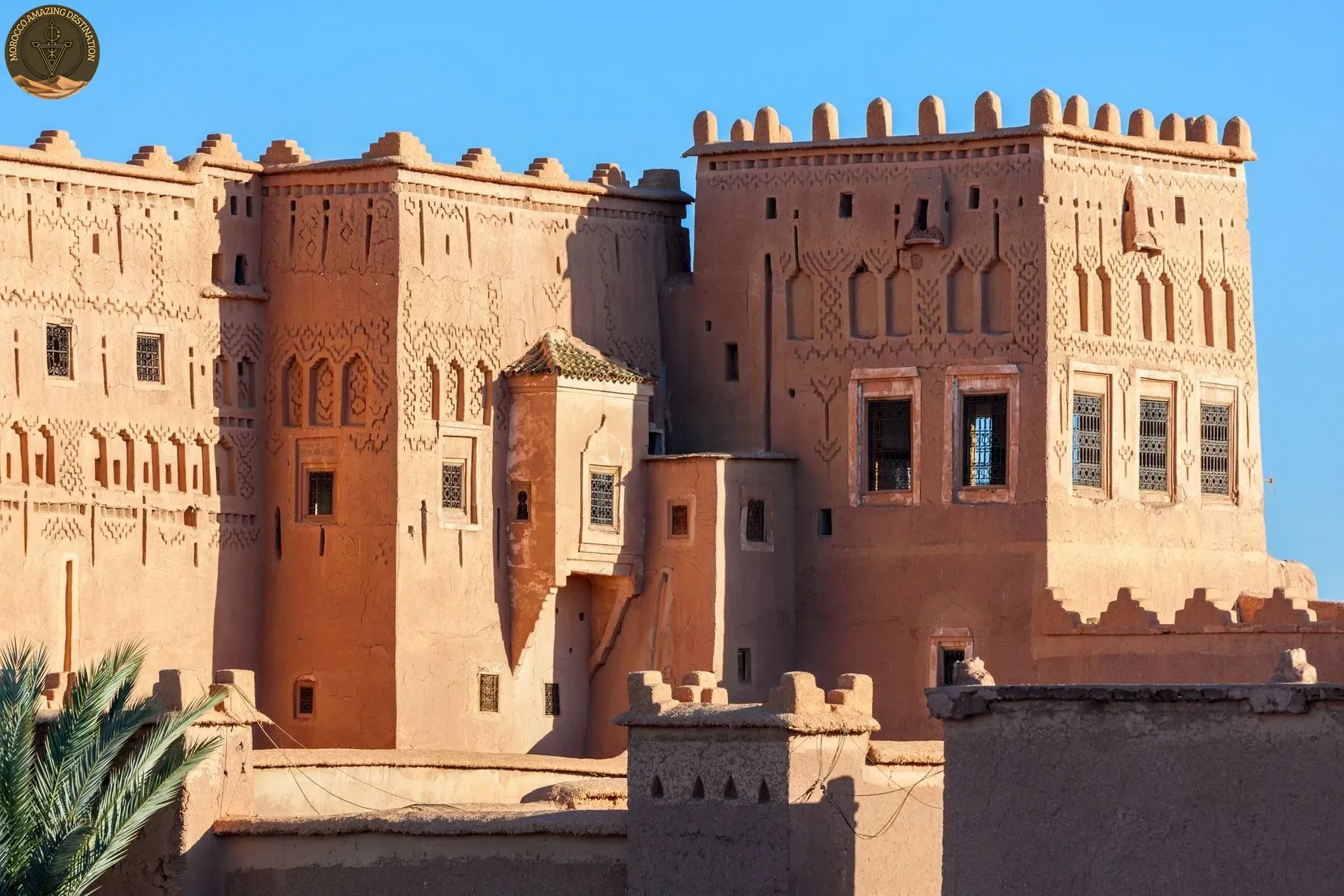
What to see around town today:
- Kasbah Taourirt: Secondary sources link its walls to fortress scenes, so treat this credit as unverified and enjoy the building itself.
- Atlas Studios tour: The later complex shows how the area grew into a production hub, with sets from later biblical epics on display.
- Open desert ground: Short drives from town cross plains similar to those that once held the temporary palace builds.
- Cinema museum stops: Small exhibits in town explain the cameras, costumes and crafts behind the region’s long shoot history.
No original set survives on display, and no marker confirms an exact filming spot. Come for the kasbah architecture and the desert light.
Ait Benhaddou - The Ksar That Became Judea
The UNESCO World Heritage site of Ait Benhaddou climbs a hill above the Ounila valley in dense mudbrick lanes. Jesus of Nazareth Ait Benhaddou credits come from location listings rather than production archives. Treat the mapping as reported rather than confirmed, and enjoy the ksar as a likely backdrop.
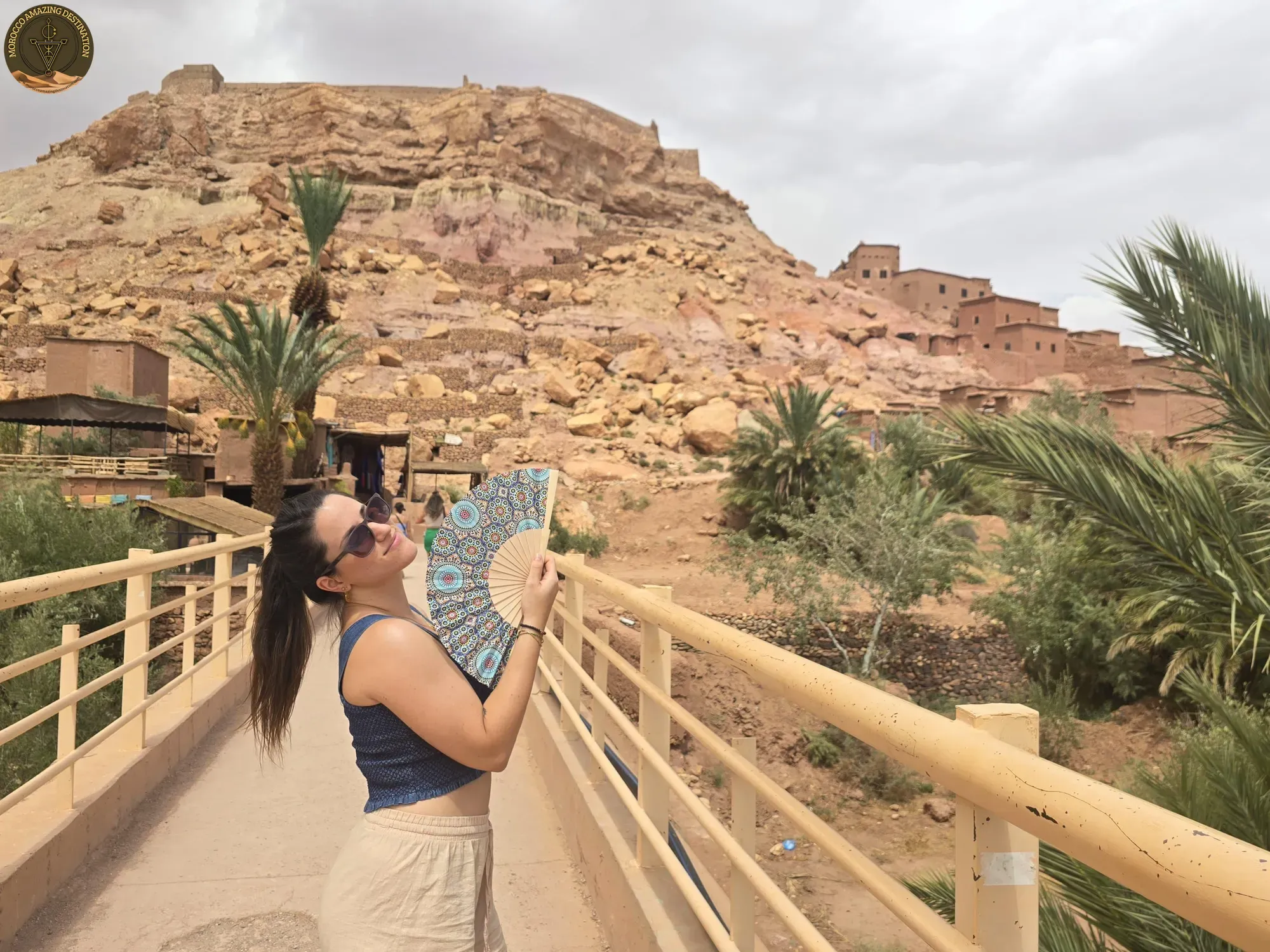
Key spots to recognize:
- Main gate: Location listings reportedly place Judea street scenes around this fortified entrance and its outer walls.
- Lower alleys: Narrow lanes between earthen houses match the look of crowded town passages in the miniseries.
- Hilltop granary: The climb ends at a communal storehouse with wide views over the valley film crews loved.
- River crossing: Shallow water and palm banks below the ksar suit caravan and arrival shots.
Reach the ksar in about half an hour by road from Ouarzazate. Early morning and late afternoon give the softest light, and a local guide keeps you clear of fragile lanes. Pair the visit with the Ounila valley road, a scenic drive dotted with smaller kasbahs.
Beyond Ouarzazate - Tinghir, Fertassa and Company Towns
The wider Moroccan leg spread well past Ouarzazate. The Zeffirelli Foundation credits Fertassa with the first shoot days as Nazareth, and Tinghir as Bethlehem. Later company moves touched Fes, Meknes and Azrou before the production continued to Tunisia.
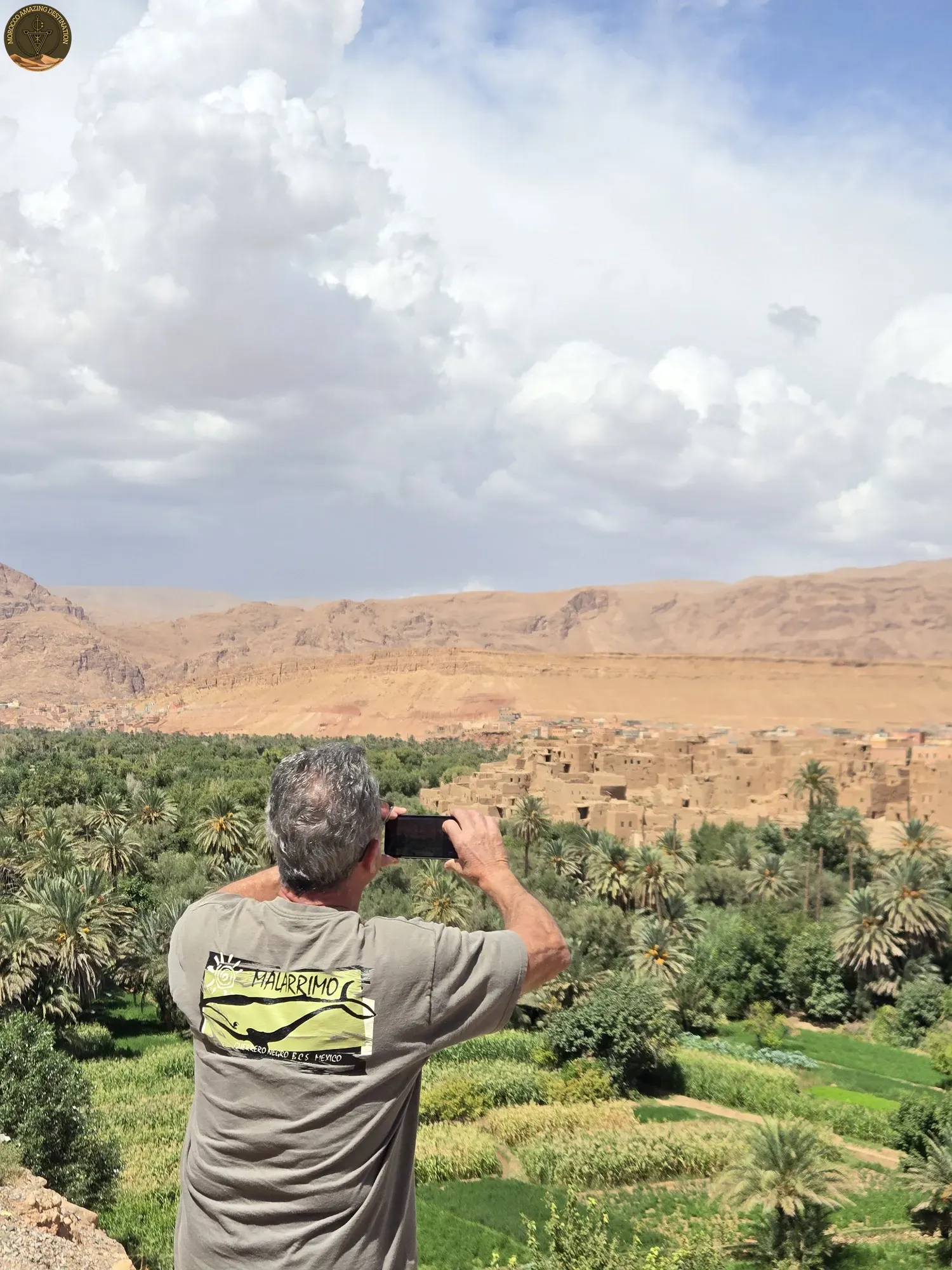
What each place contributed:
- Fertassa: A village setting for Nazareth scenes at the start of the Moroccan leg, per foundation records.
- Tinghir: Oasis streets and palm groves that stood in for Bethlehem surroundings.
- Fes and Meknes: Imperial-city streets and old gates used during later company moves to the north.
- Azrou: Cedar-forest air and mountain roads that widened the production’s landscape range.
None of these towns keeps a marked set from the shoot, so fold them into a wider film route. Fans of biblical epics can compare notes with our guides to The Last Temptation of Christ and A.D. The Bible Continues. The general Atlas Studios guide covers the later production hub.
Following the Zeffirelli Route Today in Ouarzazate
A simple route links every key stop without rushing. Cross the High Atlas from Marrakech to Ait Benhaddou, sleep in Ouarzazate, then add Tinghir if days allow. Morning departures beat the midday heat on the pass. A private driver keeps each block between ninety minutes and three hours.
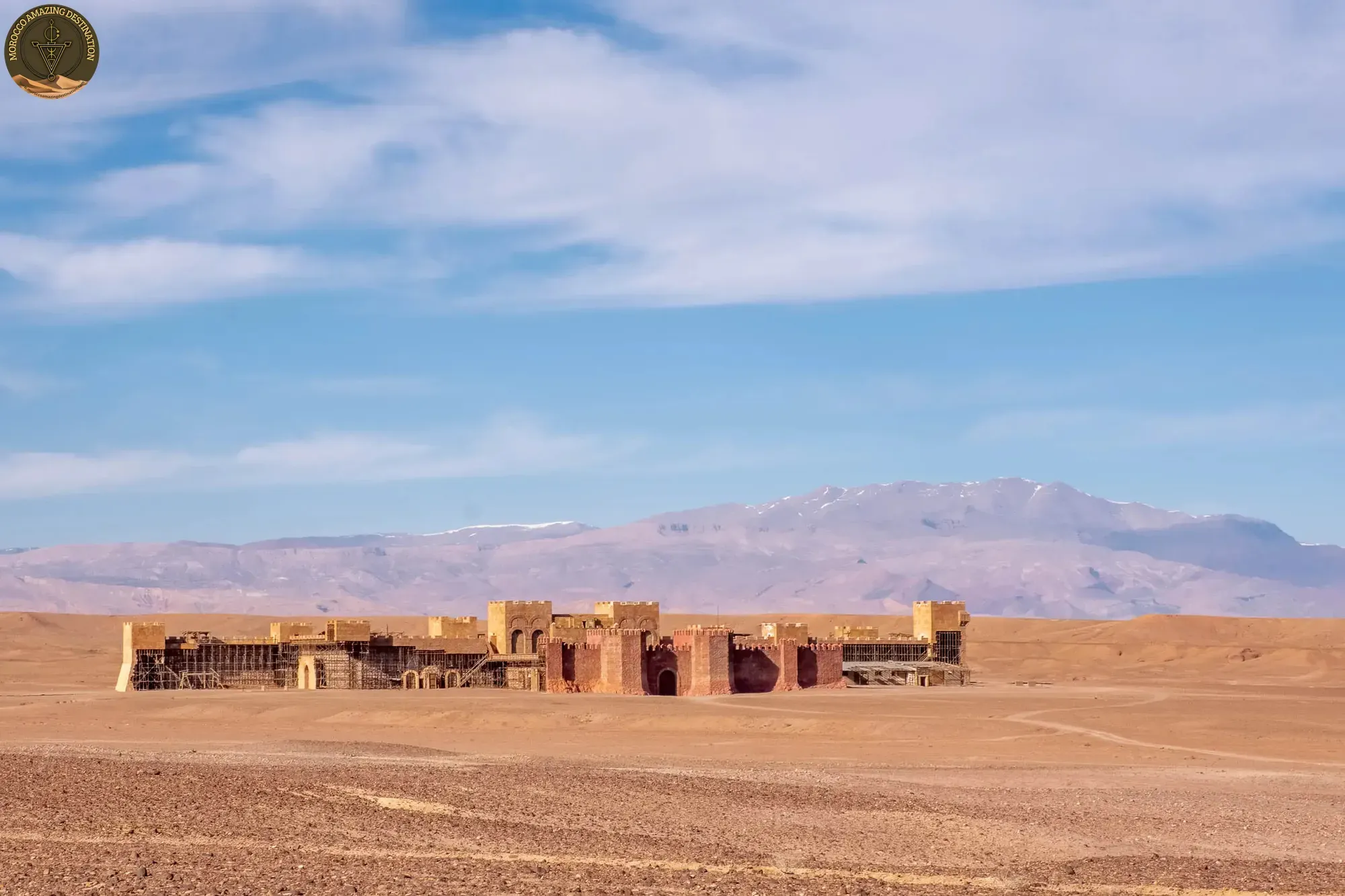
Pair the ksar with Kasbah Taourirt and the Atlas Studios tour for one full film day. Hand-picked riads in Ouarzazate make a calm base, and the road east opens toward the desert for travelers with extra nights. Guides adjust the day around heat, crowds and prayer times at working mosques nearby.
Travelers who want the real Morocco without driving stress do best with a private driver-guide. Local guides explain each stop, handle timing and keep the focus on the story. Small groups, couples and families can shape the pace, the photo stops and the meal breaks.
To walk this route without driving stress, join our 4-Day Morocco Desert Tour from Ouarzazate - Merzouga and Cultural Highlights, which links Ouarzazate, Ait Benhaddou and the desert in one private loop. Film fans continuing to Marrakech can add our 4-Day Guided Morocco Tour: Ouarzazate to Marrakech Desert Adventure. Private groups set their own pace, with photo stops and riad nights built in.
We can customize a tour to match your needs - design your perfect itinerary
If you found this helpful, add us as your preferred source on Google.
Frequently Asked Questions
Where was Jesus of Nazareth filmed in Morocco?
The Moroccan leg used the Ouarzazate area for Herod's palace builds, Ait Benhaddou for Judea street scenes, plus Fertassa as Nazareth, Tinghir as Bethlehem, and company moves to Fes, Meknes and Azrou, before the production continued to Tunisia.
Was Jesus of Nazareth filmed at Atlas Studios?
No. The studio complex was built years after this shoot, so the miniseries used temporary builds on open ground near Ouarzazate. Today's Atlas Studios tour shows the later legacy of biblical epics in the same area.
What part of Ait Benhaddou appears in Jesus of Nazareth?
Location listings reportedly credit the ksar's alleys and main gate with doubling for Judea streets and a town entrance. Exact scene mapping comes from secondary sources only, so treat it as a likely backdrop rather than a confirmed set.
Can you visit the Jesus of Nazareth filming locations today?
Yes. Ait Benhaddou, Ouarzazate and Tinghir welcome visitors and fit a private Marrakech to desert route. No original set survives, so go for the landscapes, the kasbahs and the studio tour with a private driver and local guide.
Ready for an Adventure?
Have questions? Feel free to contact us using the form below. We're here to help!