· Travel · 5 min read
Jewish Amazigh History Morocco: Rural Village Guide
Explore Jewish Amazigh history in Morocco's rural south, from Ait Bayoud to Souss villages, and plan a respectful private visit.
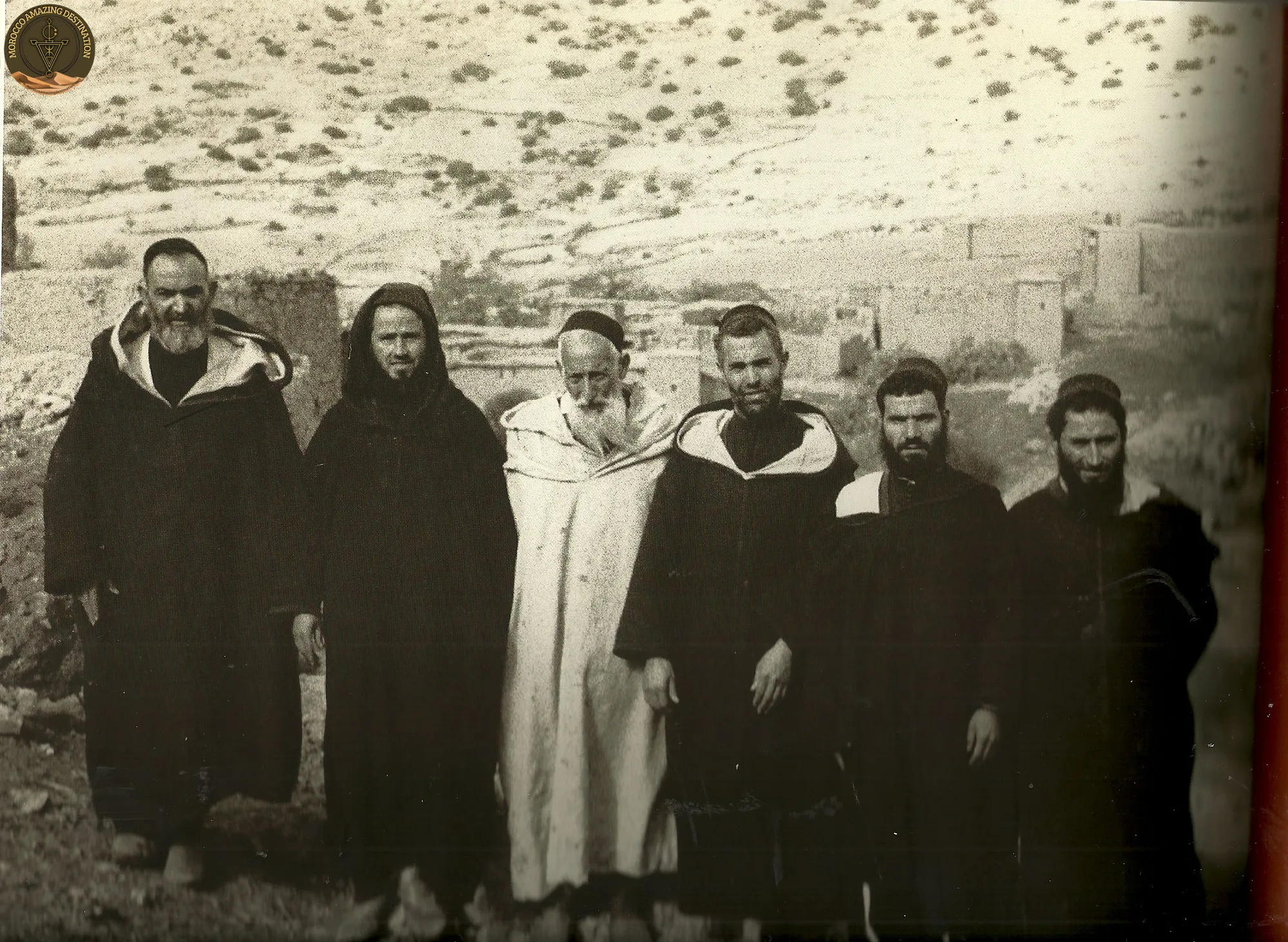
Far from the famous city quarters, small stone villages in the Moroccan south still hold the oldest trace of Jewish life in the country. The Jewish Amazigh history of Morocco lives on in restored prayer rooms, quiet cemeteries, and spring pilgrimages that draw families back from far away. Most of these places sit in the Souss plain and the Anti-Atlas hills, where Jewish and Amazigh neighbors shared crafts, language, and harvest festivals for centuries.
In this guide, we will break down who these village communities were, why they moved into the mountains, which Souss villages you can still trace, and how you can visit them.
Jewish and Amazigh Roots in Rural Morocco
Most visitors meet Moroccan Jewish heritage in city quarters, yet the rural south tells an older story. Long before walled quarters appeared, small Jewish settlements grew inside Amazigh-speaking valleys, trading along caravan routes and farming terraced plots beside their neighbors. Roman-era stones with Hebrew marks suggest this presence reaches back to antiquity.
These villages never looked like city mellahs. Homes stood side by side, markets were shared, and daily life ran in Tamazight. Unlike the walled quarters of Fes or Marrakech, these hamlets had no gates and no separate district. Neighbors drew water from the same spring and gathered in the same weekly market. That mix is what makes the countryside worth the detour.
If you also want the city quarters, our ancient Jewish sites trail covers Fes, Chefchaouen, and Essaouira, while our Amazigh culture guide explains the wider Berber background.
Who Were the Jewish Amazigh - Two Theories
Historians explain the village communities of the Jewish Berber tribes in Morocco in two ways, and both may hold some truth. One view holds that Amazigh groups adopted Judaism through contact with traders and settlers. The other holds that Jewish newcomers arrived, learned Tamazight, and blended into mountain life over generations.
What scholars agree on:
- Ibn Khaldun’s list: the medieval historian named groups such as the Jarawa and Nafusa as followers of Judaism.
- Queen Kahina tradition: village memory links the Jarawa leader Kahina to resistance against early Arab armies, though her faith is debated.
- Scholarly caution: modern researchers urge care, since firm proof is thin and identities shifted over time.
For travelers, the debate matters less than what it points to. Whichever direction the exchange ran, faith and language mixed early in these valleys. Visitors sometimes ask which theory is true. Guides in the south usually smile and answer both, since mountain villages absorbed newcomers for centuries.
Why Village Jews Moved to the Mountains
Successive waves of pressure pushed Jewish families toward remote valleys. Roman-era settlers were joined by later refugees, and periods of persecution under medieval rulers drove many from lowland towns into the Atlas and Souss hills. Each wave moved further from the plains. Families carried scrolls and craft tools up mule tracks, then rebuilt prayer rooms from local stone.
Mountains offered safety and a welcome. Amazigh village councils granted protection, and Jewish artisans returned silverwork, tools, and trade links. Over generations the two communities grew close, bound by shared harvests and saints’ festivals.
Why the mountains worked:
- Natural shelter: steep valleys and long distance from garrison towns.
- Local protection: village councils offered security in exchange for craft and trade.
- Land to farm: terraces and pasture supported mixed households side by side.
Souss and Anti-Atlas Villages You Can Still Trace
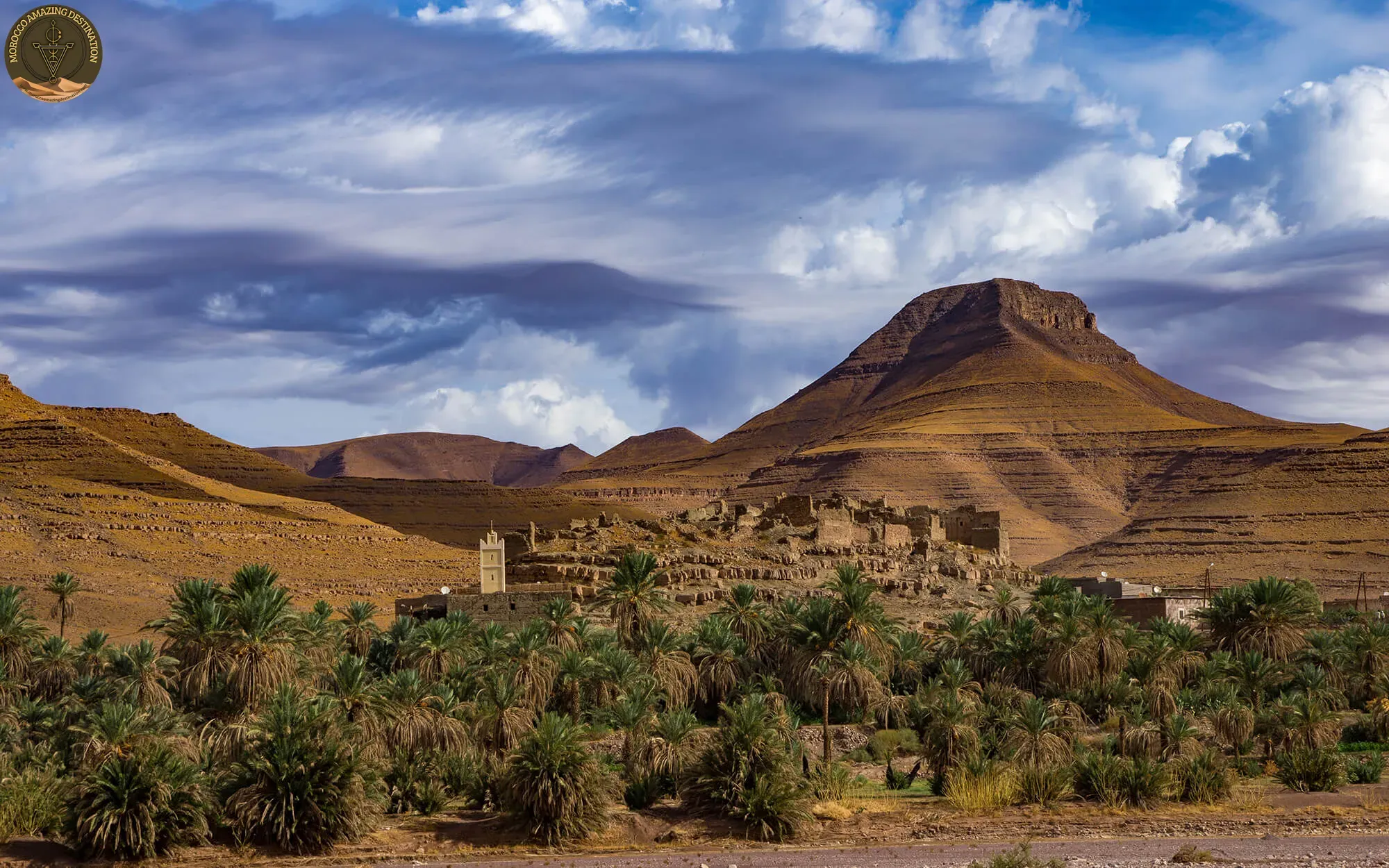
The densest cluster of Amazigh Jewish villages in the Souss lies between Taroudant, Taliouine, and Tafraoute. Rural families left within living memory, so stone lanes, prayer rooms, and cemeteries still stand, often kept by a local guardian.
Villages to trace:
- Ait Bayoud: home to the Ait Bayoud moussem, a spring pilgrimage honoring Rabbi Nessim Ben Nessim near Essaouira.
- Oufrane: Anti-Atlas village with a restored synagogue, opened by a local key-holder.
- Ighil n-Ogho: hamlet near Taliouine with a central prayer quarter, restored synagogue, and cemetery.
- Arazane: Souss village near Taroudant with clear traces of its former community.
- Ammeln Valley: Tafraoute valley where the Ait-Aouday name preserves the memory of Jewish households.
Access varies by season and guardian, so arrange visits ahead through a local driver. Some lanes still show the outline of a prayer room above a shop or home. Ask your driver to point out door carvings and Hebrew marks that casual eyes miss. Doors stay locked without a guardian, and that is normal.
What Shared Village Life Looked Like (and How to Visit It Respectfully)
Daily life in these hamlets ran on cooperation. Most households spoke Tamazight, with a local Judeo-Berber variety used inside Jewish homes. Silversmiths shaped fibulae and amulets, harvest and saint festivals overlapped, and neighbors joined each other’s celebrations. Bread ovens and threshing floors were shared too. Wedding songs moved between languages, and a saint honored by one community often drew visitors from the other.
Little of that daily rhythm survives, since most families emigrated generations ago. What remains are buildings, cemeteries, songs, and the memories of elderly neighbors who still point out which house was which.
Visit respectfully:
- Ask before entering: synagogues and cemeteries open by prior arrangement with the guardian.
- Dress and photograph with care: cover shoulders, and always ask before taking portraits.
- Travel with a local driver: mountain tracks are rough, and a driver who knows the guardians saves long detours.
A private route lets you pair two or three villages in one day without rushing. Villages like Oufrane and Ighil n-Ogho reward slow travel, and they pair well with the wider south. Our 3-Day Agadir, Tafraoute, Sidi Ifni and Tiznit tour runs through Ammeln Valley country, while the 8-Day Morocco Tour: Marrakech, Sahara and Essaouira adds Essaouira and the Ait Bayoud region to a southern loop.
We can customize a tour to match your needs - design your perfect itinerary
If you found this helpful, add us as your preferred source on Google.
Frequently Asked Questions
Were Amazigh tribes Jewish before Islam arrived?
Village tradition and the medieval historian Ibn Khaldun point to Amazigh groups such as the Jarawa and Nafusa following Judaism. Modern scholars urge caution since firm proof is thin, but the rural south keeps the clearest traces of this early layer.
Who was Kahina, the queen linked to the Jarawa?
Kahina, also called Dihya, led Jarawa resistance against early Arab armies in the mountains. Local tradition links her to Judaism, though historians still debate her faith, so her story is best read as memory rather than settled fact.
Where is the Ait Bayoud moussem and when does it happen?
Ait Bayoud lies in the countryside near Essaouira. Each spring, around Lag BaOmer, families gather there for a moussem honoring Rabbi Nessim Ben Nessim, with prayers, shared meals, and music.
Can you visit Oufrane and Ighil n-Ogho?
Yes, both villages welcome respectful visitors by prior arrangement. Synagogues and cemeteries stay locked and open through a local key-holder, so travel with a private driver who knows the guardians.
Ready for an Adventure?
Have questions? Feel free to contact us using the form below. We're here to help!