
· Travel · 5 min read
Secret Garden Marrakech: A Calm Medina Garden Guide
Discover the secret garden Marrakech hides in Mouassine: two gardens, a tower view, and how to plan a calm 60 to 90 minute visit.
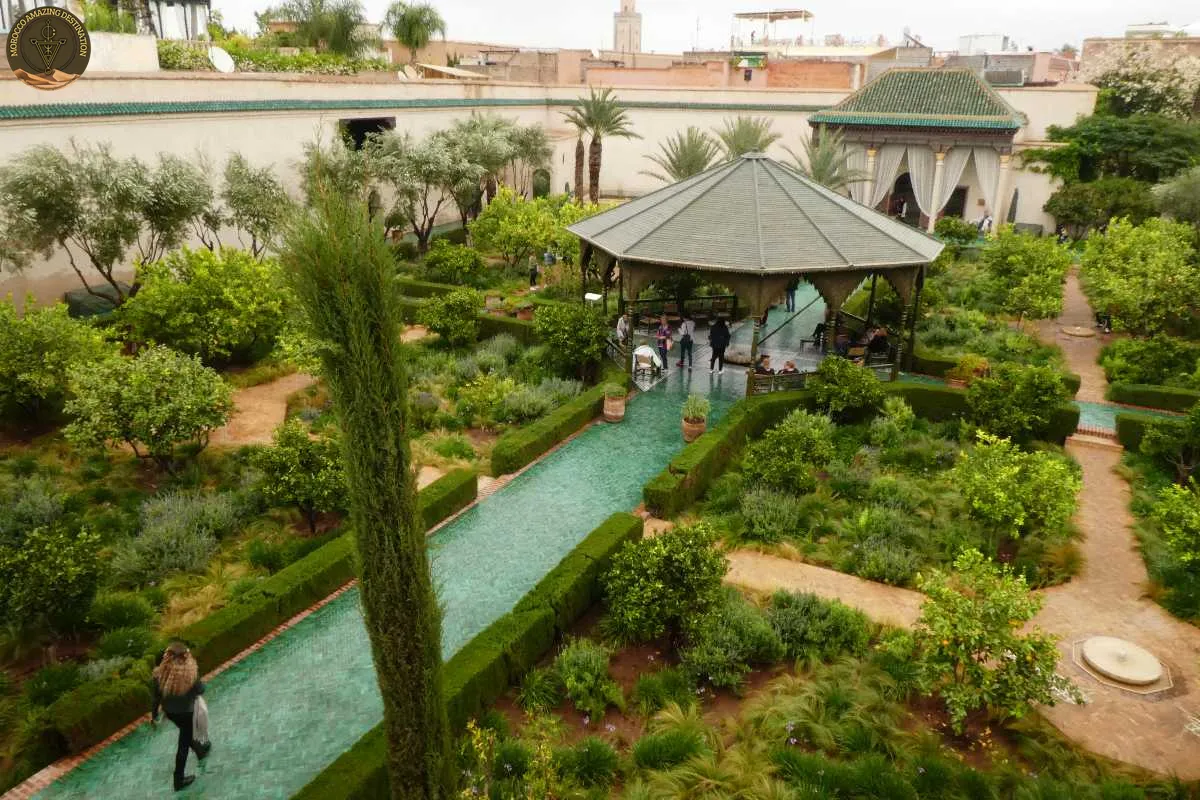
Step off Rue Mouassine through a plain wooden door and the noise of the medina drops away. Behind it waits the secret garden marrakech regulars describe as the calmest hour in the old city: orange trees, running water, and a tower above the rooftops. Most visitors walk straight past the entrance without ever knowing it is there.
In this guide, we will break down the two gardens and what sets them apart, the palace story behind the walls, and how you can plan a 60 to 90 minute visit between souks and palaces.
A calm pause inside the Marrakech medina
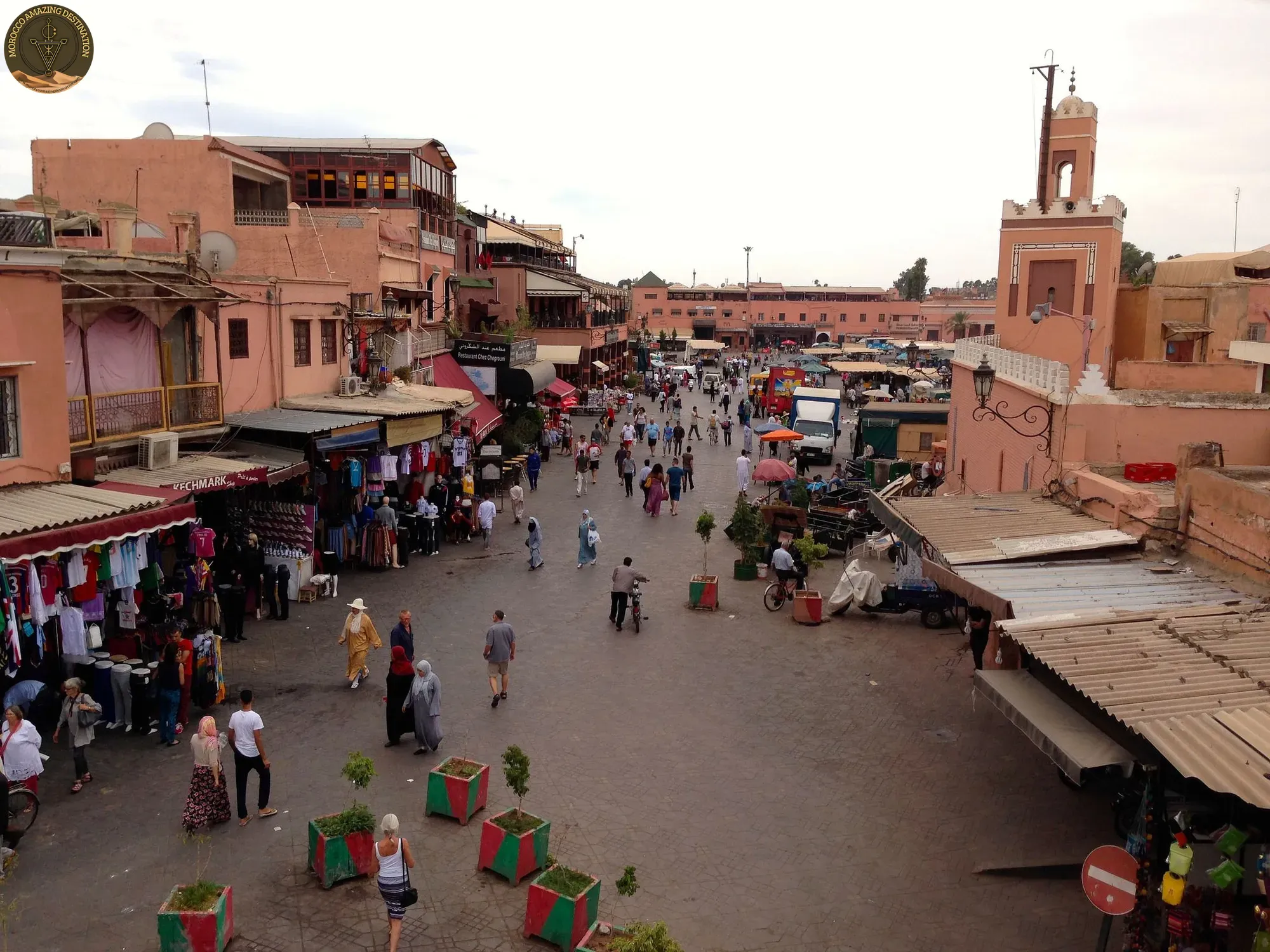
The garden sits at 121 Rue Mouassine, a short walk from Jemaa el-Fnaa through the souk lanes. There is no grand gate, only a modest door in a busy shopping street, and that understatement is part of the charm. Step inside and the air feels cooler under the trees, with birdsong replacing the calls of the shopkeepers.
The French name says it plainly. Le jardin secret marrakech holds its mystery by staying small, and even on busy days the paths never feel packed. Benches wait in the shade, two small cafes pour mint tea, and nobody hurries you along from one corner to the next.
If the medina overwhelms you, come here early in your walk rather than late. Twenty minutes among the orange trees rests your ears before the dyers souk and the crowds near the square. Think of it as a base camp for the whole Mouassine quarter, not a detour off your route.
Two gardens, two moods
One ticket covers two gardens, and they feel nothing alike. The islamic garden marrakech gardeners tend is the larger of the two, laid out in four quarters around crossing water channels. Citrus, olives, and palms grow in strict geometry, the way paradise gardens have been planted for centuries across the region.
The exotic garden marrakech plant collectors built is smaller and looser, full of drought plants gathered from similar climates around the world. Agaves, aloes, and cacti crowd the beds, and the whole plot reads as an experiment in what survives on very little water. Labels name each species, so curious kids get a botany lesson without noticing.
- Islamic layout: a four-part plan with channels, shade trees, and quiet symmetry.
- Exotic planting: spiky drought species from far-flung dry regions.
- Shared water: restored khettara channels still feed both plots today.
From Saadian palace to living riad garden
These walls began as grounds of a Saadian-era palace, then were rebuilt around the mid-19th century with a hammam, a pavilion, and the tower you can still climb. Later one of the city notables made it his home, and after his death the property was split between heirs and fell into ruin.
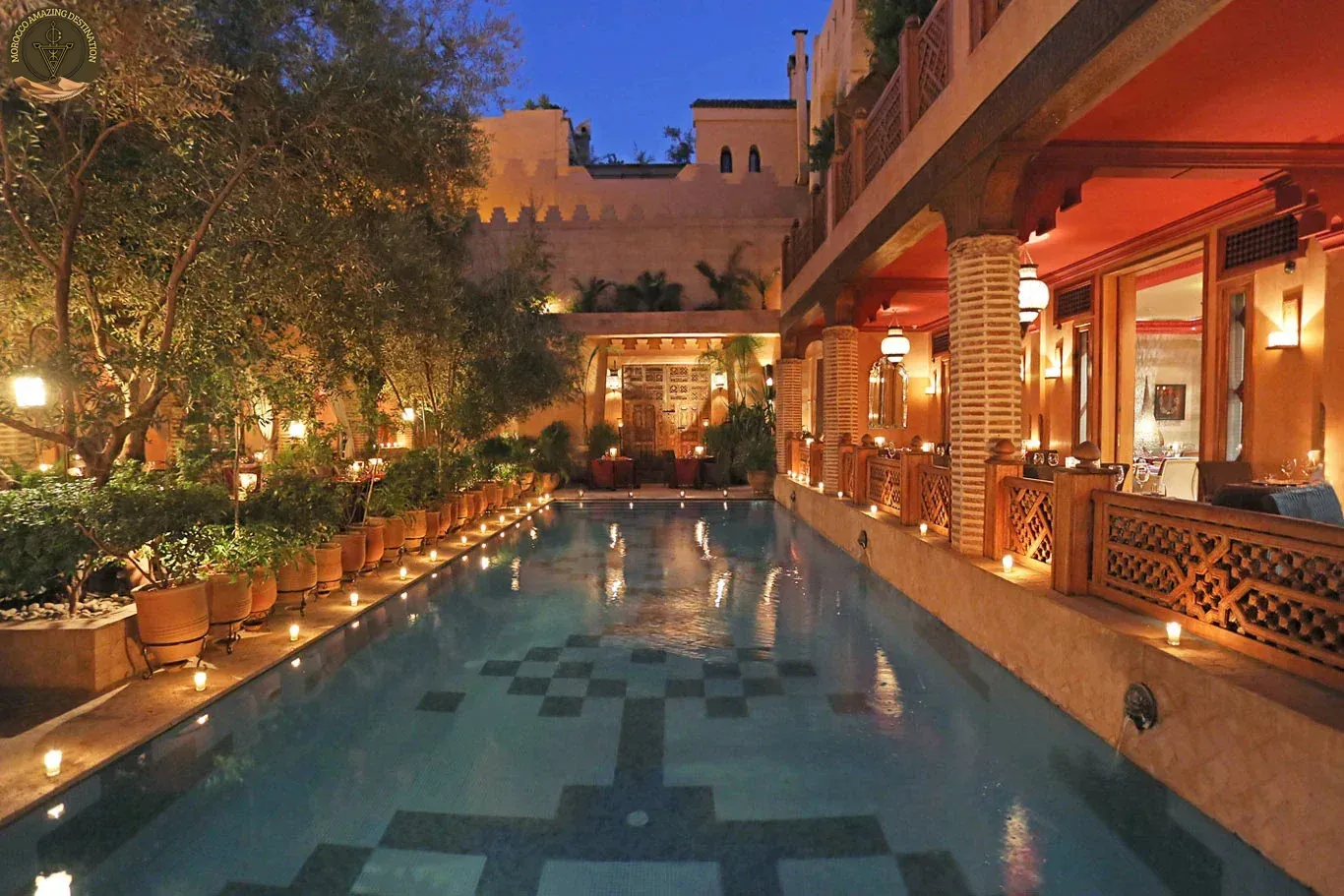
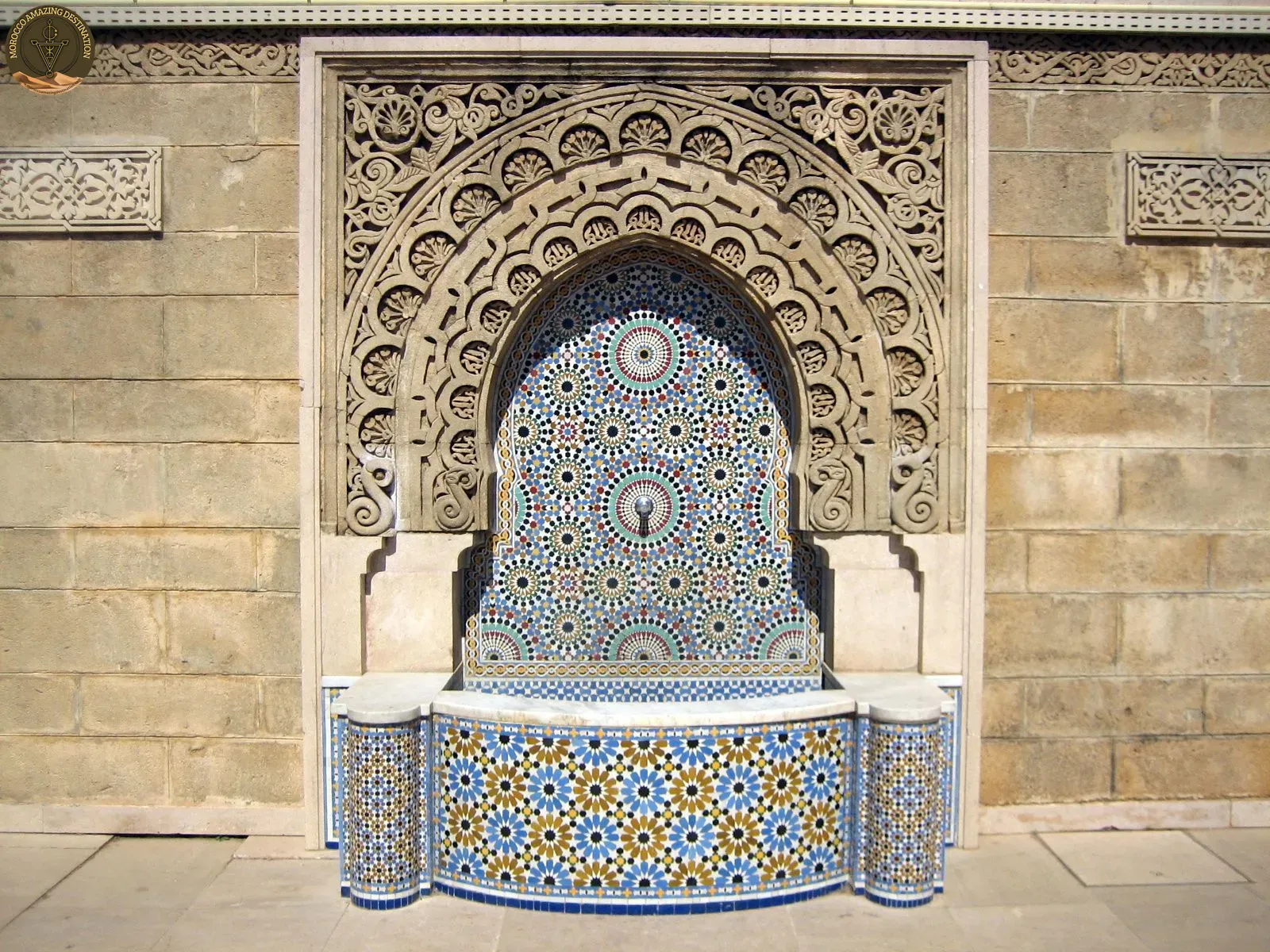
What you see now comes from a long restoration by Moroccan artisans who relearned old building crafts for the job. Plaster, zellige tile, carved wood, and the water channels all came back piece by piece over several seasons of work. The result feels lived-in rather than stiff, closer to a great family riad than to a monument.
That history explains the layout you walk through. Rooms open straight onto green courts, water runs past doorways, and every wall seems placed to catch the shade. You are exploring a house that happens to hold gardens, with daily life and greenery sharing the same space.
Fountain courts, the tower climb and quiet pavilion corners
Start with the water, since it organizes everything else. Narrow channels cross the Islamic garden and spill into small fountains, and following them is the easiest way to read the four-part plan. The sound of running water covers the last echoes of the street outside within a few steps.
Then look up. The tower asks a small supplement on top of entry, and the stairs pay off with medina rooftops on one side and the Atlas peaks on clear days. The climb suits steady legs, and small children cannot go up, so split your group if you travel with little ones.
- Tower views: rooftops below and Atlas peaks when the air is clear.
- Old hammam: a rare private bathhouse, shown with simple displays.
- Pavilion corners: small exhibitions and shaded seats for a tea pause.
Finish inside the pavilion rooms, where short displays explain the plants and the restoration work. The seats there stay cool through midday, which makes them the best rest stop before you head back into the lanes.
Plan a 60 to 90 minute visit between souks and palaces
Give the garden an hour at minimum, and ninety minutes if you climb the tower and take tea. That window fits neatly between the Ben Youssef Madrasa and Dar el Bacha, both a short walk away through the Mouassine lanes.
Entry costs a modest band around one hundred MAD, with a small supplement for the tower. Gates open daily from mid-morning until late afternoon to early evening depending on the season. Mornings right at opening bring the emptiest paths, and the deep shade keeps even hot midday hours pleasant.
- Best timing: arrive at opening for empty paths and soft light.
- Easy combos: Ben Youssef, Dar el Bacha, and the Mouassine souks on foot.
- Private guide bonus: a local guide links the garden story to the whole quarter.
A private driver and guide take the friction out of the day, timing your arrival before the groups and walking you straight to the next stop. That is how a short garden visit becomes the hinge of a full medina morning rather than a rushed add-on.
Travelers who want Marrakech plus the road south often fold this stop into a longer route, such as our 10 Days in Morocco: The Ultimate Private Tour from Marrakech to the Sahara. If the coast calls too, the 8-Day Morocco Tour: Marrakech, Sahara Desert & Essaouira Adventure pairs medina days with ocean air. Both routes leave room for slow medina mornings like this one.
We can customize a tour to match your needs - design your perfect itinerary
If you found this helpful, add us as your preferred source on Google.
Frequently Asked Questions
Where is the Secret Garden in Marrakech?
It sits at 121 Rue Mouassine in the medina, a short walk from Jemaa el-Fnaa through the souk lanes. Look for a plain door in a busy shopping street, as the garden hides directly behind it.
What is the difference between the Islamic garden and the Exotic garden?
The Islamic garden is the larger four-part paradise layout with water channels, citrus, olives, and palms. The Exotic garden is smaller and experimental, planted with drought species like agaves, aloes, and cacti from similar climates.
How long do you need at Le Jardin Secret?
Allow 60 to 90 minutes, including the tower climb and a mint tea at one of the two cafes. The garden pairs well with Ben Youssef Madrasa, Dar el Bacha, and the Mouassine souks on foot.
Is the Secret Garden worth visiting with a private guide?
Yes, a private guide connects the garden palace history and water system to the surrounding Mouassine quarter. Our private tours build it into a medina morning so timing and logistics feel effortless.
Ready for an Adventure?
Have questions? Feel free to contact us using the form below. We're here to help!