· Travel · 5 min read
Scientific Discoveries in Morocco You Can Actually Visit
Visit the places behind Morocco's biggest science stories: Jebel Irhoud, dinosaur beds, argan goats, macaques and desert science.
Few countries pack this much deep time into one trip. The most exciting scientific discoveries in Morocco never stayed inside laboratories. They came out of hills, quarries, forests and desert camps that travelers can still visit with a driver and a local guide. Expect ages measured in hundreds of thousands of years, then lunch in a town that feels entirely present day.
In this guide, we will break down five visitable science stories and how you can see them on a private tour. Expect early human fossils near Safi, dinosaur beds around Erfoud, tree-climbing goats in the Souss, wild macaques near Ifrane, and desert research you admire from a safe distance.
Walk in the Footsteps of Early Humans at Jebel Irhoud
The hill of Jebel Irhoud rises from open country inland of Safi. Researchers recovered early Homo sapiens fossils here, dated to about 300,000 years ago. The finds sit among the oldest traces of our species known anywhere.
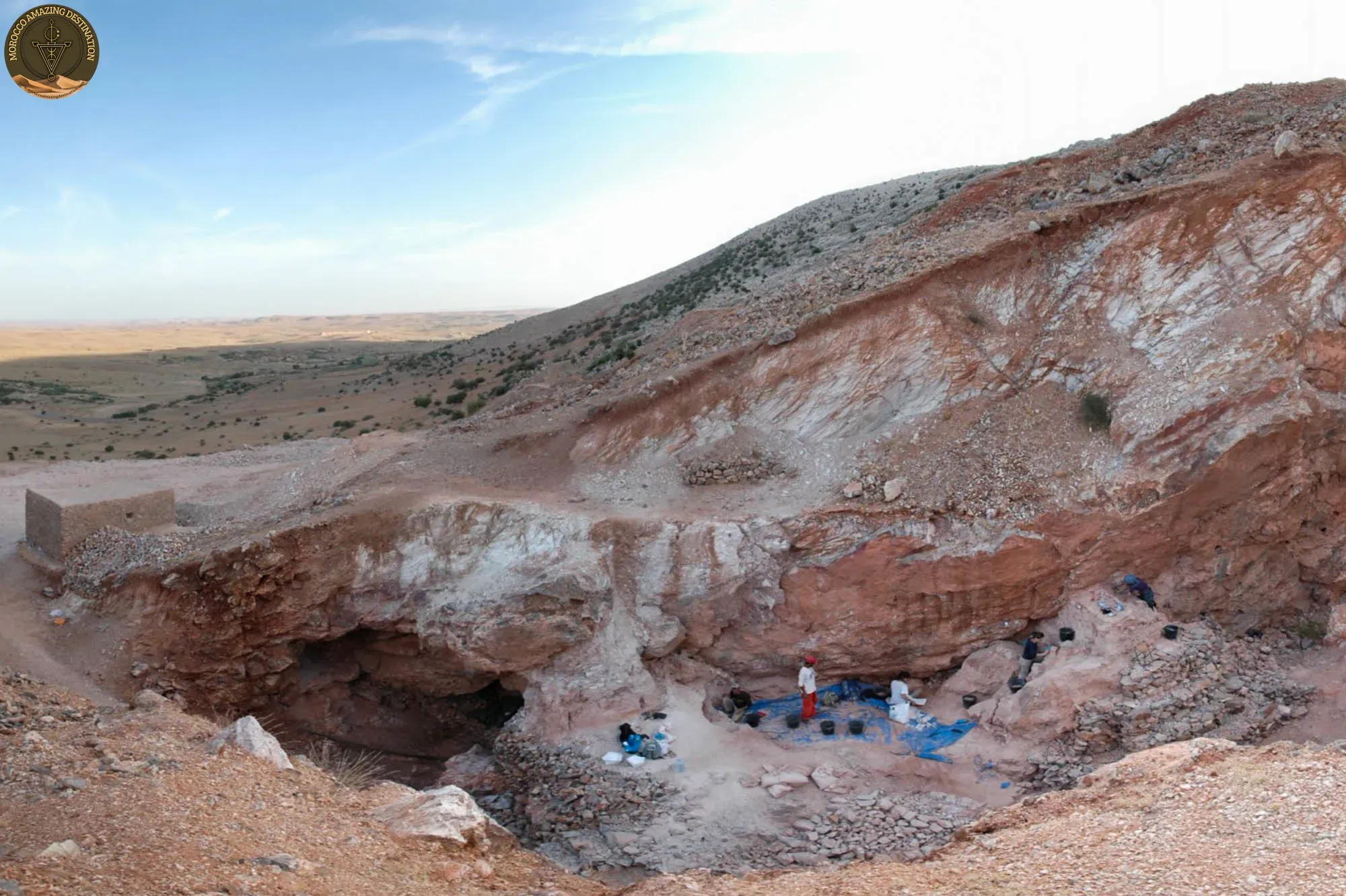
There is no museum on the hill itself. The ground stays rural and quiet, watched by a site guard. The fossils rest in museum collections, including in Rabat, while a stop at Irhoud gives you the landscape where the story began. Pack water and sun cover, since shade is scarce.
How to visit well:
- Bring a private driver: The final stretch runs over rough tracks where a 4x4 helps.
- Pair it with Safi: The port town adds pottery workshops and grilled fish by the water.
- Keep expectations simple: Come for the setting and the story, not display cases.
Read a short summary of the dating work before you go. Knowing how researchers measured the age turns a quiet hillside into a memorable stop.
Hunt for Dinosaurs Around Erfoud and Merzouga
Southeastern Morocco is the country’s true fossil country. The Kem Kem beds around Erfoud produced giants such as Spinosaurus and Carcharodontosaurus. This is where Morocco dinosaur fossils feel most real.
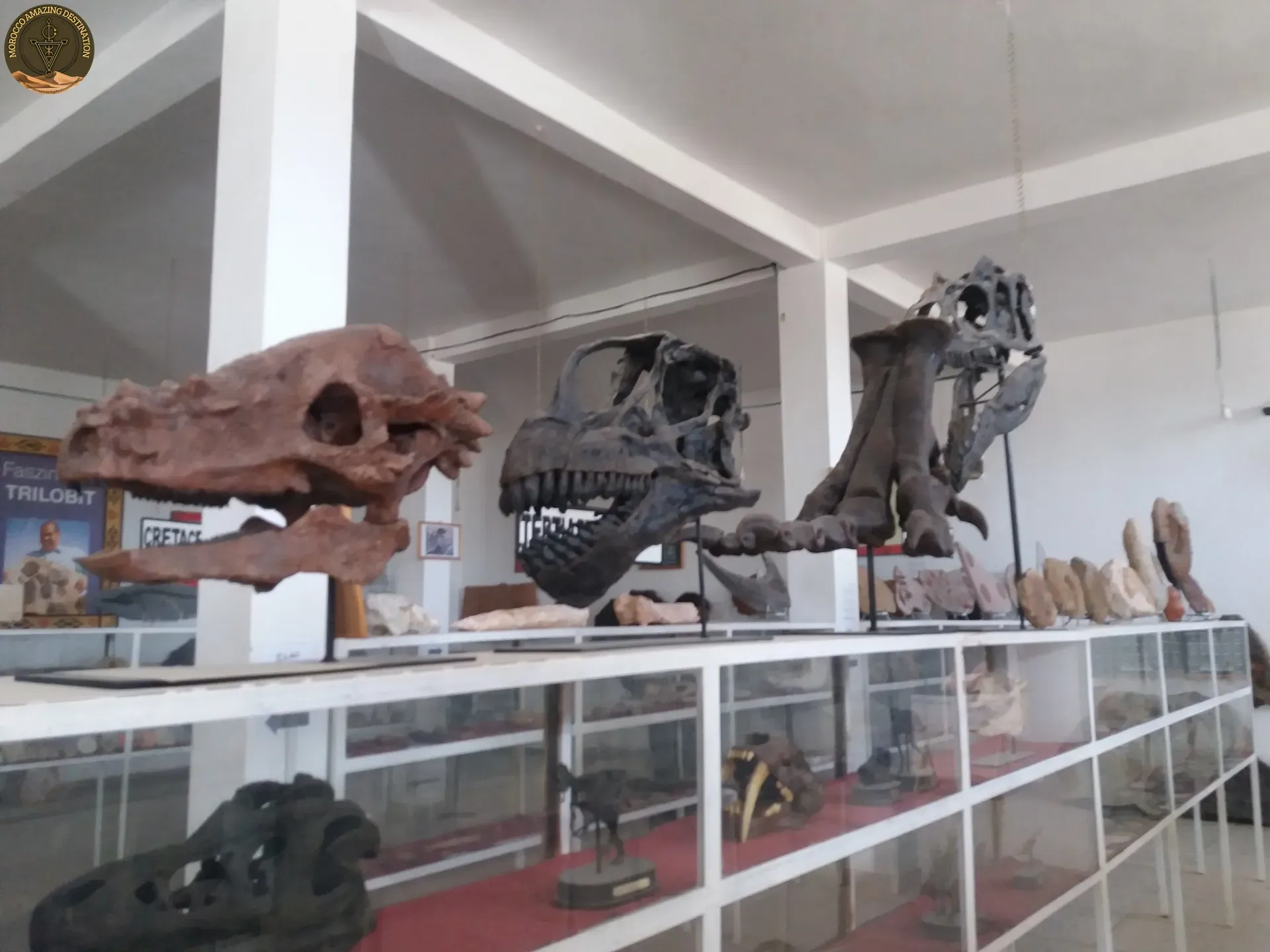
Skip the phosphate mines farther west. Those are working industrial sites, not visits. Around Erfoud and Merzouga you can walk quarries with a local guide, watch preparation workshops, and browse small museums full of ammonites and trilobites.
What to plan:
- Book a local fossil guide: Quarry visits depend on people who know the diggers.
- Visit a workshop: You watch fragile bones get cleaned and mounted.
- Shop with care: If buying tempts you, read our Midelt minerals and fossils guide first.
A desert leg makes this easy. Sleep near the Erg Chebbi dunes, then spend a morning among the rocks before the heat builds. Workshops in Erfoud town stay open through the day, so timing stays flexible.
Meet the Argan Goats and the Forest They Plant
Between Agadir and Essaouira, goats climb into argan crowns to eat the fruit. Later they spit the hard nuts while chewing the cud. Researchers found that most spat seeds can still sprout, so the herds genuinely help plant the forest.
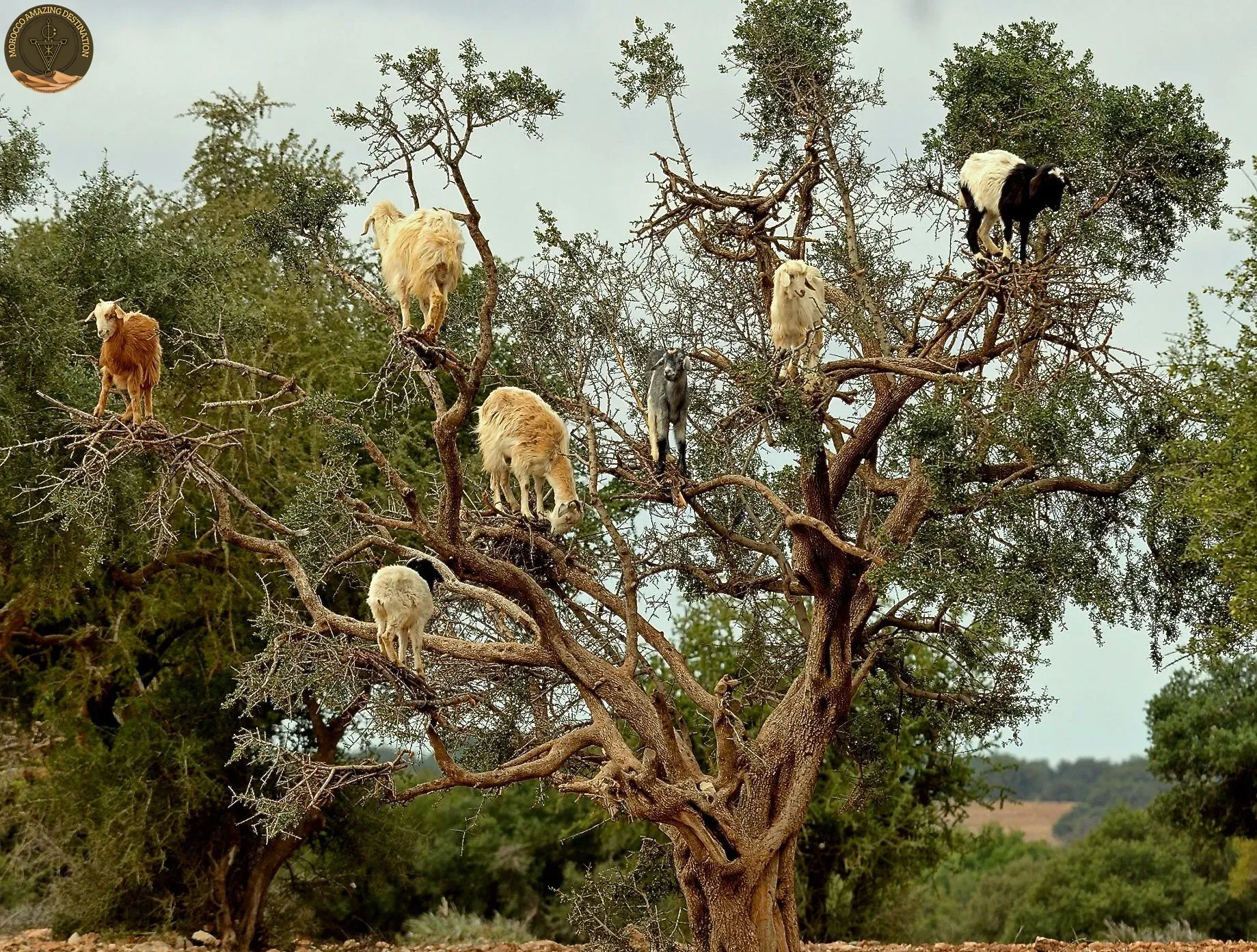
Many roadside scenes are staged for photographs, with goats placed in one tree near the parking area. True foraging looks messier and spreads across whole groves. A cooperative visit shows the full chain from nut to oil, and the income stays local.
How to see them well:
- Choose a women’s cooperative: You meet the makers and taste fresh oil.
- Look for natural herds: Grazing groups in real groves beat roadside setups.
- Keep your distance: Let the herder arrange photos so the goats stay calm.
For more animal encounters across the country, see our animals in Morocco guide.
Watch Wild Macaques in the Cedar Forests of Ifrane
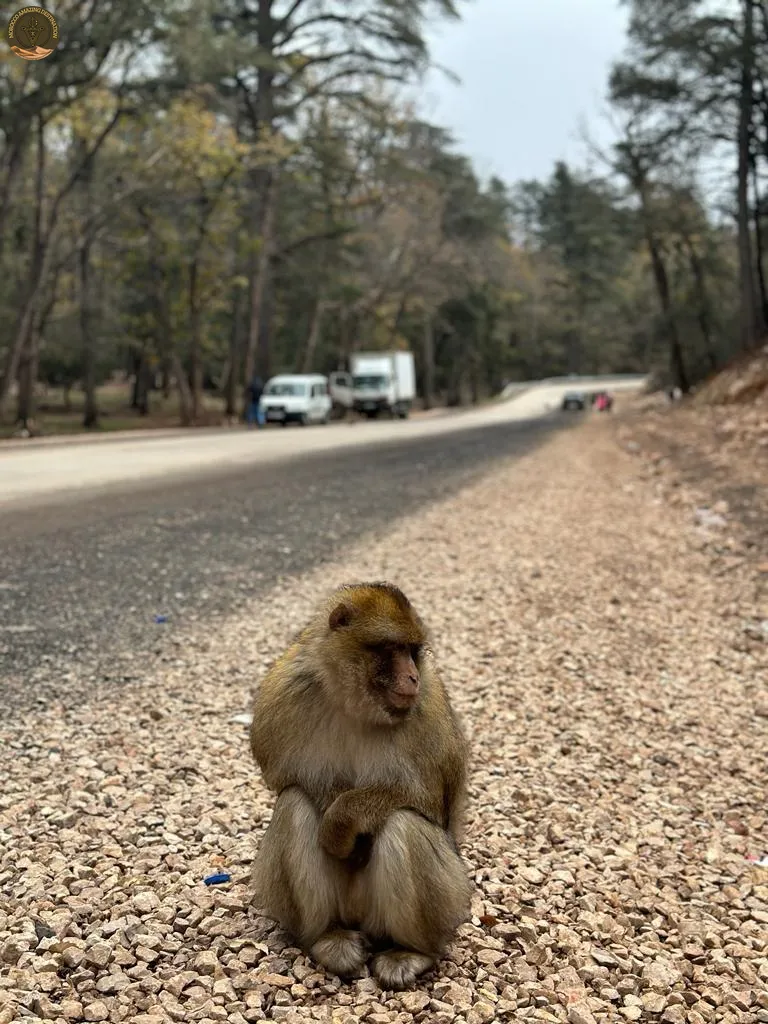
The Middle Atlas holds the only wild macaque population outside Asia. Barbary macaques live in the cedar and oak forest of Ifrane National Park near Azrou. They are endangered, and their habitat keeps shrinking under pressure from grazing and logging.
Researchers have even recorded grief-like behavior around dead group members. The findings come from small studies, so take them as a hint of social depth rather than settled fact. Either way, the troops are absorbing to watch.
Watching rules stay simple. Remain on paths, keep food packed away, and never feed the animals. A quiet troop crossing a cedar clearing ranks among Morocco’s great wildlife moments.
Your driver can pause at known forest clearings between Ifrane and Azrou. Early morning brings the calmest sightings, often within view of the car parks.
Desert Science You Can Respect From a Distance
Morocco hosts more than fifty scorpion species, though few threaten people. In Casablanca, university teams built a small robot that draws venom from a safe distance. The venom supports medical research, including antivenom and tumour studies.
You will not tour the lab, and you do not need to. The lesson for travelers is habit rather than fear. Scorpions favor hot, dry ground and appear in summer, even around Marrakech and desert camps. Daytime meetings are rare, since the animals hunt after dark.
Simple camp habits:
- Shake shoes and clothes: A quick shake each morning avoids surprises.
- Zip tents and bags: Closed fabric keeps night visitors out.
- Ask your hosts: Camp crews know where to walk after dark.
Read our desert wildlife guide before a Sahara night. It covers the small creatures you will most likely meet.
These five stops connect into one natural route. Start near Safi, cross the Middle Atlas cedar forest, drop to Erfoud and the dunes, then finish on the Souss coast. Private drivers handle the long pistes between stops, so the science stays the focus instead of the logistics. Spring and autumn bring the mildest weather for the full loop. A 12-Day Morocco Grand Tour covers the full arc, while a shorter 3-Day Desert Tour from Fes to Merzouga fits fossil country and cedar forest into a tight schedule.
We can customize a tour to match your needs - design your perfect itinerary
If you found this helpful, add us as your preferred source on Google.
Frequently Asked Questions
Can you visit Jebel Irhoud?
Yes. The site sits in open country inland from Safi, with a guard and little infrastructure. Go with a private driver, ideally a 4x4 for the final tracks, and see the fossils themselves in museum collections in Rabat.
Where can you see dinosaur fossils in Morocco?
Head to Erfoud and Merzouga. The Kem Kem beds yielded Spinosaurus and Carcharodontosaurus material, and local guides lead quarry visits plus workshops and small museums.
Do argan goats really plant trees?
They help. Goats spit argan nuts while ruminating, and research found most spat seeds can still sprout. Choose cooperatives and natural herds over staged roadside scenes.
Are scorpions dangerous for tourists in Morocco?
Rarely. Morocco hosts more than fifty species but few threaten people. Shake shoes, zip tents, and ask camp hosts about night paths. Local venom research supports antivenom work.
- scientific-discoveries-morocco
- jebel-irhoud
- morocco-dinosaur-fossils
- argan-goats
- scorpion-safety-morocco
Ready for an Adventure?
Have questions? Feel free to contact us using the form below. We're here to help!