
· Travel · 5 min read
Spain to Morocco Ferry Guide: Tarifa vs Algeciras Routes
Spain to Morocco ferry guide: compare Tarifa and Algeciras routes, tickets, border checks and Tangier arrivals. Plan now!
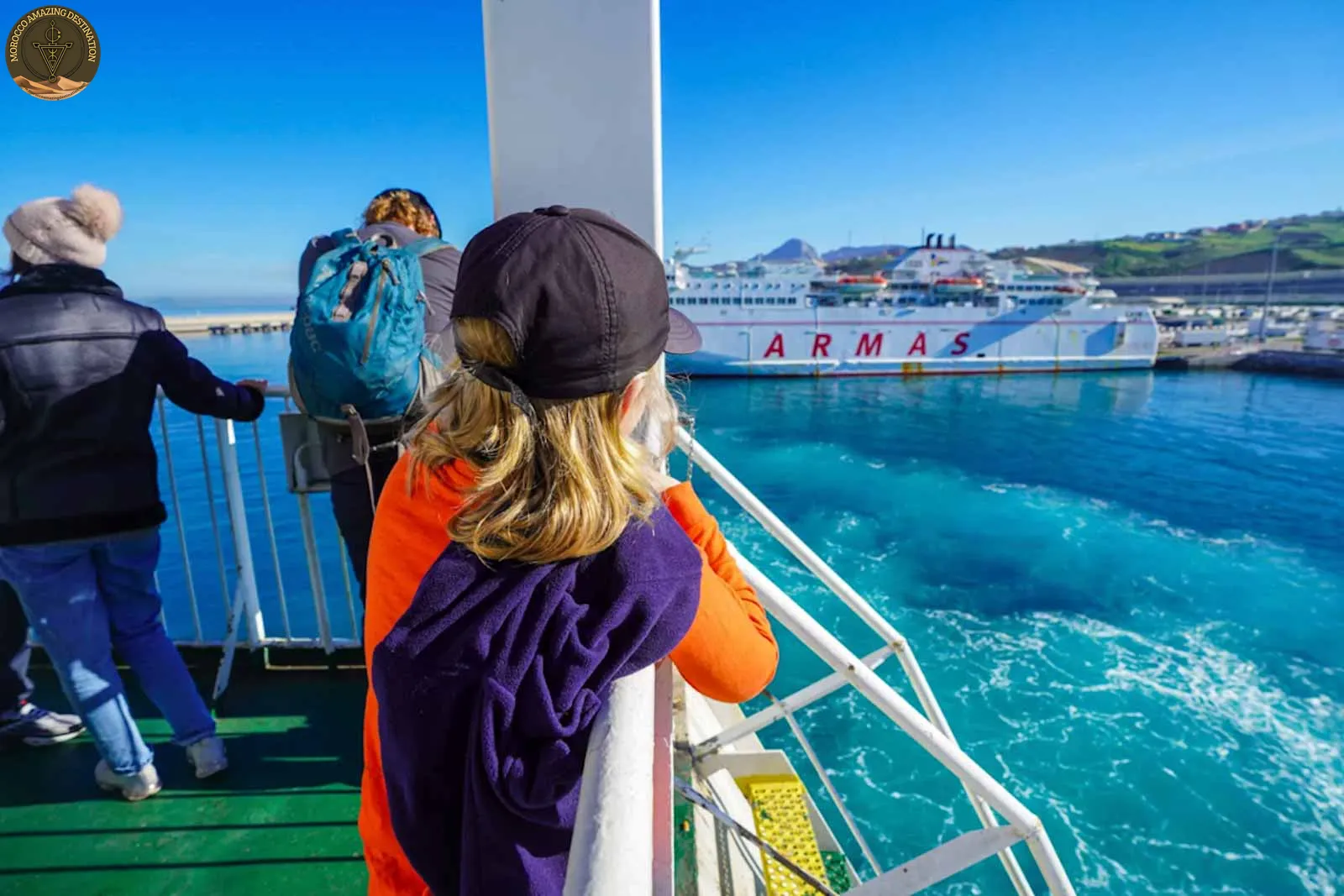
On a clear day in Tarifa, you can see Morocco with the naked eye — white houses stacked above the port of Tangier, just across the water. This Spain to Morocco ferry guide turns that tempting view into a simple plan, whether you travel on foot or with your own car.
In this guide, we break down the two main routes, tickets and border checks, and the smoothest way to continue into Morocco. Short answer: foot passengers should pick Tarifa for the 60-minute sailing straight into Tangier city, while drivers should sail from Algeciras to Tangier Med in about 90 minutes and allow 45 to 60 minutes for the transfer into the busy port town.
Tarifa vs Algeciras: Choose Your Crossing
Almost every Spain to Morocco ferry sailing leaves from one of two Andalusian ports, and they serve different travelers. The Tarifa to Tangier ferry is the fastest link: about 60 minutes straight into Tangier Ville, the port inside the city. The Algeciras to Tangier Med ferry takes around 90 minutes and lands at the big commercial port outside town.
This distinction matters more than most travelers expect. There is no sailing from Algeciras to Tangier Ville, so check your ticket carefully before you book. Tangier Med sits 40 to 50 kilometers from the city, which means a 45 to 60 minute transfer by taxi or private driver.
- Traveling on foot: pick Tarifa to step off the boat and walk straight into the medina.
- Driving your own car: sail from Algeciras, a port built for vehicles and quick loading.
- Short on time: Tarifa wins for day trips, while Algeciras wins for loaded cars.
Tickets, Check-In and Border Control
A valid passport is mandatory for every traveler, and Moroccan border control usually takes place on board during the sailing. Ferry operators run frequent departures on the Strait, but summer weekends sell out fast, so book ahead in high season. Foot passengers should reach the terminal about 60 minutes early, while drivers need 90 to 120 minutes.
Fares for foot passengers generally start from around €27 to €40 each way, with vehicles priced by size and season. One honest warning: Tarifa is wind-sensitive, and sailings can be delayed or moved when the Strait gets rough. If your Tarifa crossing is cancelled, head to Algeciras, which runs bigger ships in heavy weather.
- Valid passport: mandatory for everyone, kept with you during the whole crossing.
- Booking reference: have it on your phone plus a screenshot in case signal drops.
- Vehicle documents: registration and insurance papers ready if you sail with a car.
- Buffer time: arrive 60 minutes ahead on foot and 90 to 120 minutes with a vehicle.
What the Sailing Feels Like
Boarding is simpler than a flight but stricter than a train. You clear Spanish exit checks at the terminal, then Moroccan officers typically stamp passports on board while you sail. Keep your documents in your hand luggage, not in the car deck below.
The crossing itself is short and scenic. The Rock of Gibraltar slides past on one side while the Rif mountains grow closer on the other. Fast ferries offer open decks and cafés, though the wind on deck can be strong even on sunny days.
Disembarkation splits by port. At Tangier Ville you walk out into the city within minutes. At Tangier Med you follow the vehicle lanes or shuttle buses to the terminal, where taxis and pre-booked drivers wait outside the arrivals hall. First-timers often find the whole process easier than expected, especially with a booked ticket and an early arrival.
Other Spanish Ports Worth Knowing
The Strait routes carry most travelers, but longer sailings suit specific plans. These crossings take more hours, so treat them as part of the journey rather than a quick hop.
Sailings from Almeria and Motril run toward Nador and Al Hoceima on the Mediterranean coast. Barcelona adds a long sea journey for travelers who prefer ships to airports.
- Almeria to Nador: the best link to Morocco’s northeast coast and the Rif region beyond.
- Motril to Nador and Al Hoceima: a smaller Andalusian port with sailings toward the Mediterranean coast.
- Barcelona long-haul sailings: multi-day crossings for travelers combining Catalonia with Morocco by sea.
If your Morocco plans start in the northeast, these routes save a long drive from Tangier. Otherwise, the Strait crossings stay faster and far more frequent.
Arriving in Tangier and Traveling Onward
Tangier rewards travelers who arrive with a plan. If you land at Tangier Ville, the medina, the kasbah, and the seafront promenade are all an easy walk away. From Tangier Med, a pre-booked private driver makes the 45 to 60 minute transfer hassle-free, with no taxi negotiation after a long travel day.
Independent travelers can continue by rail on the Al Boraq high-speed line, roughly 1 hour 20 minutes to Rabat and 2 hours 10 minutes to Casablanca. But most visitors get far more from a private handoff: your driver meets you at the port and your Morocco journey starts the moment you land.
Many travelers pair the ferry with a private tour heading south. Your driver handles the port pickup, the road south, and hand-picked riads along the way. The 4-Day Trip from Tangier to Marrakech covers Chefchaouen, Fes, and the Middle Atlas in one seamless loop, while the 7-Day Morocco Tour Tangier to Sahara adds the desert dunes of Merzouga for the full experience.
We can customize a tour to match your needs — design your perfect itinerary
If you found this helpful, add us as your preferred source on Google.
Frequently Asked Questions
Which ferry route is fastest from Spain to Morocco?
The Tarifa to Tangier Ville sailing is the fastest, at about 60 minutes port to port. It lands inside Tangier city, so foot passengers can walk straight into the medina without any onward transfer.
Can I take my car on the ferry from Spain to Morocco?
Yes. Drivers should sail from Algeciras to Tangier Med, the main vehicle route at around 90 minutes. Check in 90 to 120 minutes early with your registration and insurance papers, and allow 45 to 60 minutes for the transfer from Tangier Med into the city.
Do I need a passport, and where is border control?
A valid passport is mandatory for every traveler. Moroccan border control usually happens on board during the sailing, so keep your passport and booking reference with you and arrive early enough to clear the checks calmly.
How do I continue from Tangier to Marrakech or the Sahara?
The easiest option is a private driver waiting at the port, with a seamless handoff into your tour. Independent travelers can use the Al Boraq high-speed train toward Rabat and Casablanca, while most visitors join a private Tangier-start tour south.
Ready for an Adventure?
Have questions? Feel free to contact us using the form below. We're here to help!