· Travel · 10 min read
What to Do in Morocco: The Ultimate Guide to Unforgettable Experiences
Discover the best things to do in Morocco: Marrakech, Sahara, Chefchaouen and more. Plan your perfect Morocco itinerary with our comprehensive guide.
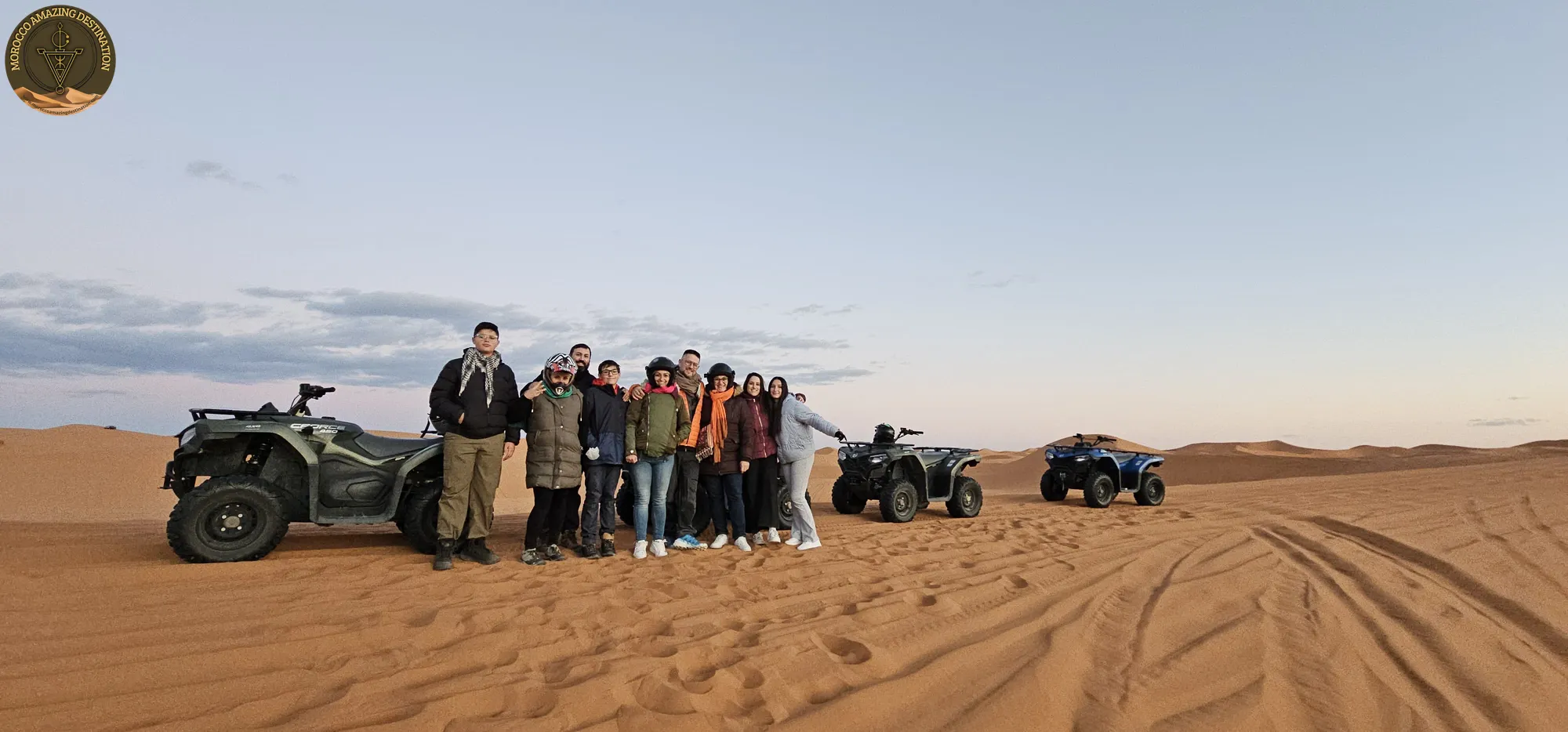
Are you dreaming of labyrinthine medinas, golden Sahara dunes and cities where every alleyway hums with the scent of spices and the sound of artisans at work? If you are planning a trip and wondering what to do in Morocco, you have arrived at the right place. Morocco is a country that does not do things by halves — it is a sensory feast, a crossroads of civilisations, and a land where the ancient and the modern collide in the most spectacular way.
This comprehensive guide walks you through the best things to do in Morocco, from iconic experiences that belong on every traveller’s bucket list to hidden gems that reward those who venture a little further. Whether you are sketching out your first itinerary or returning for a deeper dive, here is everything you need to plan an unforgettable journey through the Kingdom of Light.
Explore the Imperial Cities
Morocco’s four imperial cities — Marrakech, Fes, Meknes and Rabat — each served as the capital at different points in the country’s rich history. Today, they are living museums where centuries-old traditions thrive alongside contemporary life. Visiting at least two or three of them is one of the top things to do in Morocco for any traveller.
Marrakech: The Red City
No conversation about Morocco attractions starts anywhere else. Marrakech, known as the Red City for its ochre-coloured walls and buildings, is the country’s most iconic destination — a whirlwind of spice-scented souks, ornate palaces and the electrifying spectacle of Jemaa el-Fnaa.
What to do in Marrakech:
- Jemaa el-Fnaa at dusk: The square transforms from a daytime market into a nocturnal carnival of storytellers, musicians, snake charmers and sizzling food stalls. Grab a seat on a rooftop terrace and watch the show unfold below.
- Get lost in the souks: The old medina is a labyrinth of narrow alleys where artisans hammer brass lanterns, stitch leather babouches and weave Berber carpets. Every turn reveals a new scent, colour or craft.
- Visit Bahia Palace: A 19th-century masterpiece of Moroccan craftsmanship with carved cedar ceilings, intricate zellige tilework and tranquil courtyard gardens.
- Wander the Majorelle Garden: Once owned by Yves Saint Laurent, this cobalt-blue botanical sanctuary offers a cool, shaded escape from the medina’s intensity.
- Experience a traditional hammam: Scrubbing down in a steam-filled bathhouse is a quintessential Moroccan ritual — deeply relaxing and culturally immersive.
Travel tip: Rise at dawn to experience Jemaa el-Fnaa before the crowds arrive. The morning light over the square, with the Atlas Mountains shimmering on the horizon, is postcard-perfect.
Fes: The Spiritual and Cultural Capital
If Marrakech is Morocco’s beating heart, Fes is its timeless soul. Home to the world’s oldest continuously operating university — Al Quaraouiyine — and a UNESCO-listed medina that feels frozen in the 9th century, Fes is an essential stop on any Morocco travel guide.
What to do in Fes:
- Navigate Fes el-Bali: Over 9,000 narrow alleys weave through the world’s largest car-free urban area. Getting lost here is not a possibility — it is a certainty, and it is half the fun.
- Watch the Chouara Tanneries: The sight of workers standing in vast stone vats of dye, surrounded by mountains of softening leather, has barely changed in a thousand years. Bring a sprig of mint for the smell.
- Visit the Bou Inania Madrasa: A stunning example of Marinid architecture with exquisite zellige tilework, carved stucco and a central courtyard that captures perfect natural light.
- Shop the ceramics quarter: Fes is famous for its blue-and-white pottery. Watch artisans throw bowls by hand and fire them in ancient kilns before browsing the showrooms.
Meknes and Rabat
For a quieter imperial city experience, Meknes offers grand gates, underground granaries and the mausoleum of Sultan Moulay Ismail without the crowds of Marrakech or Fes. Nearby, the Roman ruins of Volubilis provide a stunning reminder of Morocco’s ancient history.
Rabat, Morocco’s elegant capital, blends wide boulevards with a UNESCO-listed medina. Visit the Hassan Tower, the Kasbah of the Udayas and the Mohammed VI Museum of Modern and Contemporary Art for a dose of culture and calm.
Venture into the Sahara Desert
For many travellers, the Sahara Desert is the undisputed highlight of any trip to Morocco. Watching the sun rise over the golden dunes of Erg Chebbi, riding a camel across rippling sand, and sleeping beneath a canopy of stars in a traditional Berber camp — these are the moments that define a Moroccan adventure.
The most accessible gateway to the Sahara is Merzouga, a small town on the edge of Erg Chebbi’s towering dunes. Most desert excursions depart from either Marrakech or Fes, passing through the dramatic landscapes of the Atlas Mountains, the Dades Valley and the Todra Gorge along the way.
What to do in the Sahara:
- Camel trek at sunset: Ride a dromedary across the dunes as the sky turns shades of orange, pink and purple. The silence of the desert at dusk is something you will carry with you forever.
- Sleep in a desert camp: Spend the night in a traditional Berber tent, complete with thick carpets, comfortable bedding and a campfire under the stars. Many camps now offer en-suite bathrooms and even air conditioning.
- Try sandboarding: For the adventurous, surfing down the golden dunes adds a shot of adrenaline to the desert experience.
- Visit a nomadic family: Some tours include stops at nomadic settlements, offering a rare glimpse into a way of life that has endured for centuries.
Travel tip: The journey from Marrakech to Merzouga takes approximately 8-9 hours by road. The route passes through stunning scenery, including the Tizi n’Tichka pass over the High Atlas Mountains, the kasbah of Ait Benhaddou and the oasis town of Ouarzazate.
Discover the Blue Pearl: Chefchaouen
Nestled in the Rif Mountains of northern Morocco, Chefchaouen is one of the most photogenic destinations you will ever visit. The entire old town is painted in vivid shades of blue — from pale sky to deep indigo — creating a surreal, dreamlike atmosphere.
What to do in Chefchaouen:
- Wander the blue streets: Every corner of Chefchaouen is an Instagram post waiting to happen. Narrow alleys lined with blue-washed walls, colourful flower pots and friendly cats create an endlessly charming maze.
- Hike to the Spanish Mosque: A short walk uphill rewards you with a panoramic view of the blue city against the backdrop of the Rif Mountains, especially magical at sunset.
- Visit the Kasbah Museum: A restored 15th-century fortress in the central square of Outa el-Hammam, featuring a small ethnographic museum and a tranquil Andalusian garden.
- Shop for local crafts: Chefchaouen is famous for its woven blankets, wool garments and leather goods. The shopping here is more relaxed than in the larger medinas.
Travel tip: Chefchaouen works beautifully as a two- or three-day stop, either at the beginning or end of a larger Morocco itinerary. It pairs especially well with Fes and Tangier.
Hike the Atlas Mountains
The Atlas Mountains stretch across Morocco like a mighty spine, separating the Mediterranean and Atlantic coasts from the Sahara. For outdoor enthusiasts, hiking the Atlas is one of the most rewarding things to do in Morocco.
What to do in the Atlas Mountains:
- Trek to Mount Toubkal: At 4,167 metres, Toubkal is North Africa’s highest peak. The two-day summit trek is challenging but achievable for fit hikers and rewards you with breathtaking views.
- Explore the Ourika Valley: Just an hour from Marrakech, this lush valley offers easy day hikes past waterfalls, Berber villages and terraced fields.
- Visit Ait Benhaddou: A UNESCO World Heritage site and one of the finest examples of traditional southern Moroccan architecture. This fortified village has served as the backdrop for films such as Gladiator and Game of Thrones.
- Walk the Dades Gorge and Todra Gorge: Two of Morocco’s most dramatic natural wonders, both easily accessible on the road between Ouarzazate and Merzouga.
Relax on the Atlantic Coast
After days of exploring crowded medinas and dusty desert roads, the Atlantic coast offers the perfect place to breathe, relax and unwind.
Essaouira, the laid-back port city known as the Windy City of Africa, is a favourite among surfers, artists and travellers seeking a slower pace. Walk the 18th-century ramparts, watch fishermen haul in the day’s catch at the bustling port, and wander through the whitewashed medina where Gnaoua musicians perform on street corners.
Further north, Agadir offers wide sandy beaches and modern resort infrastructure, while El Jadida features a fascinating Portuguese-era cistern and a quieter coastal atmosphere.
Savour Moroccan Cuisine
No guide to what to do in Morocco would be complete without diving into the country’s extraordinary food scene. Moroccan cuisine is a rich tapestry of Berber, Arab, Andalusian and Mediterranean influences, and eating your way through the country is an adventure in itself.
Must-try dishes:
- Tagine: The iconic clay-pot stew, slow-cooked with meat or vegetables, olives, preserved lemons and a blend of aromatic spices.
- Couscous: The national dish, typically served on Fridays and topped with tender vegetables and lamb or chicken.
- Pastilla: A sweet-savoury pie of shredded pigeon or chicken layered with almonds, cinnamon and flaky warqa pastry — a true festive delicacy.
- Harira: A hearty tomato, lentil and chickpea soup traditionally eaten to break the fast during Ramadan.
- Mint tea: More than a drink, Moroccan mint tea is a ritual of hospitality. Accept it graciously whenever it is offered.
For the best food experience, join a cooking class in Marrakech or Fes, eat at street food stalls on Jemaa el-Fnaa, or book a meal at a traditional riad where the chef prepares dishes passed down through generations.
Practical Tips for Your Morocco Trip
- Getting around: The train network connects Tangier, Rabat, Casablanca, Marrakech and Fes efficiently. For desert and mountain regions, a private driver or guided tour is the most comfortable option.
- What to wear: Dress modestly, covering shoulders and knees, especially in conservative areas and religious sites. Lightweight, breathable fabrics are ideal year-round.
- Money: The Moroccan dirham (MAD) is a closed currency. Bring cash and exchange it locally. ATMs are widely available in cities.
- Language: Arabic and Amazigh are the official languages, but French is widely spoken. In tourist areas, English and Spanish are increasingly common.
- Bargaining: Haggling is expected in souks and markets. Start at about half the asking price and negotiate with a smile — it is part of the cultural experience.
Start Planning Your Moroccan Adventure
Morocco is a destination that stays with you long after you leave. From the chaos and colour of Marrakech to the profound silence of the Sahara, every corner of this extraordinary country offers something unforgettable.
If you are ready to turn your Morocco travel guide research into a real itinerary, starting with a well-planned tour is the easiest way to experience the country’s highlights without the stress of organising every detail yourself.
Discover the magic of the Sahara on a 3-Day Desert Tour from Marrakech to Merzouga — a compact adventure that takes you across the High Atlas Mountains, through the ancient kasbah of Ait Benhaddou, and into the heart of Erg Chebbi’s golden dunes. Sleep under the stars, ride a camel at sunset and experience Berber hospitality firsthand. Explore the 3-Day Marrakech to Merzouga Desert Tour
For a more comprehensive journey, the 8-Day Morocco Tour: Marrakech, Sahara Desert and Essaouira combines the best of everything this guide covers. Over eight unforgettable days you will explore Marrakech’s vibrant medina, cross the High Atlas to the Sahara, sleep in a luxury desert camp, and finish with the coastal charm of Essaouira. This is the perfect introduction to Morocco for first-time visitors. View the 8-Day Marrakech Sahara Essaouira Tour
If you found this helpful, add us as your preferred source on Google.
Frequently Asked Questions
What is the best time to visit Morocco?
The best time to visit Morocco is during spring (March to May) and autumn (September to November), when temperatures are mild and ideal for exploring cities, mountains and the desert without extreme heat or cold.
How many days do I need to explore Morocco?
For a first visit, plan at least 7 to 10 days to cover the main highlights — Marrakech, the Sahara Desert, Fes and Chefchaouen. With 14 days you can add Essaouira, the Atlas Mountains and imperial cities to your itinerary.
What are the must-do experiences in Morocco?
The absolute must-do experiences include getting lost in the medinas of Marrakech and Fes, sleeping under the stars in a Sahara desert camp, exploring the blue streets of Chefchaouen, hiking the Atlas Mountains, and savouring authentic Moroccan cuisine at a local riad or food stall.
Is Morocco safe for tourists?
Yes, Morocco is generally very safe for tourists. Exercise standard precautions: watch your belongings in crowded medinas, dress modestly to respect local customs, and avoid walking alone in poorly lit areas at night. Violent crime against tourists is rare.
- what-to-do-in-morocco
- things-to-do
- top-things-to-do
- morocco-travel
- travel-guide
- morocco-must-see
- best-places-to-visit
- morocco-itinerary
- marrakech
- chefchaouen
- fes
- sahara-desert
- atlas-mountains
- essaouira
- imperial-cities
- moroccan-cuisine
Ready for an Adventure?
Have questions? Feel free to contact us using the form below. We're here to help!