· Travel · 17 min read
When Is the Best Time to Travel to Morocco? The Complete Seasonal Planning Guide
Wondering when is the best time to travel to Morocco? Our comprehensive seasonal guide covers optimal timing for desert adventures, city exploration, mountain trekking, and coastal escapes throughout the year.
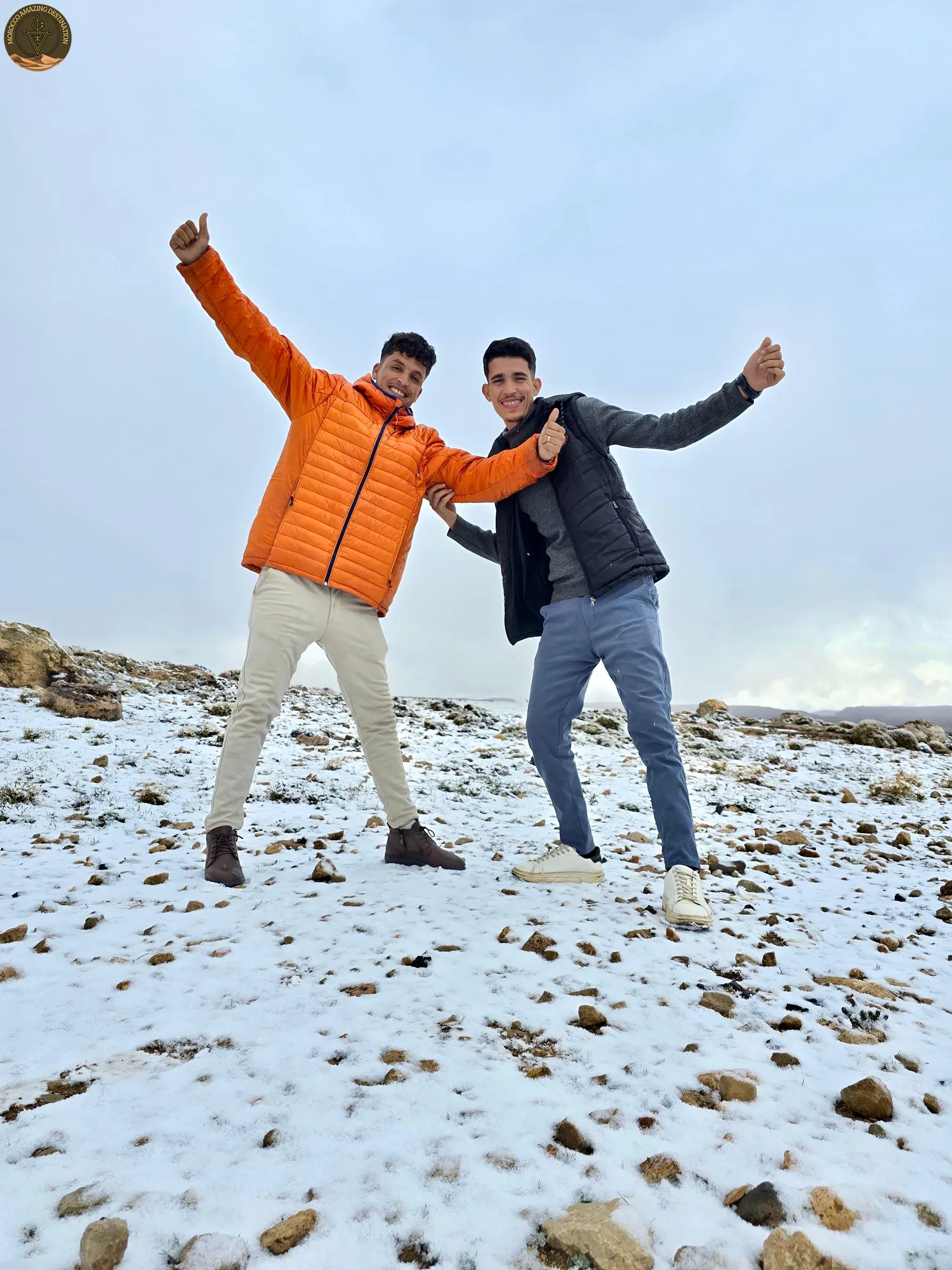
If you’re wondering when is the best time to travel to Morocco, the answer depends on your travel goals and the experiences you seek. From the snow-capped Atlas Mountains to the golden dunes of the Sahara Desert, Morocco offers dramatically different experiences depending on when you visit. This comprehensive guide will help you determine the best time to travel to Morocco based on your interests, budget, and preferred activities.
Planning your Morocco trip requires careful consideration of the country’s diverse climate zones and seasonal variations. Whether you’re dreaming of camel treks through the desert, exploring ancient medinas, or surfing the Atlantic waves, understanding Morocco’s seasonal patterns is essential for creating the perfect itinerary. Let’s dive into everything you need to know about when is the best time to travel to Morocco to match your travel style and expectations.
Understanding Morocco’s Climate Zones
Before diving into specific seasons, it’s crucial to understand that Morocco encompasses several distinct climate regions. This geographic diversity means that weather conditions can vary dramatically between regions during the same time of year.
The Sahara Desert Region
The Sahara Desert represents Morocco’s most extreme climate. Temperatures here can fluctuate by 20-25°C between day and night. Planning your Morocco trip to include the desert requires special attention to seasonal timing.
Summer conditions: Daytime temperatures regularly exceed 45°C, making outdoor activities challenging and potentially dangerous without proper preparation.
Winter conditions: While days remain pleasant (20-25°C), nighttime temperatures can drop to near freezing, especially in December and January.
Optimal visiting periods: March through May and September through November offer the most comfortable desert conditions, with daytime temperatures between 25-35°C and cool but manageable nights.
The Atlas Mountains
The Atlas Mountains create a dramatic climate divide in Morocco. At higher elevations (above 2,000 meters), you’ll experience significantly different conditions than the surrounding plains.
Summer in the mountains: Pleasant temperatures (20-28°C) make this the perfect season for trekking and hiking. The clear skies and blooming wildflowers create spectacular scenery.
Winter in the mountains: Ski resorts like Oukaimeden operate from December through March, offering a unique winter sports experience in Africa. Snowfall is common at elevations above 1,500 meters.
The Atlantic Coast
Cities like Casablanca, Essaouira, and Agadir benefit from the ocean’s moderating influence. This region experiences milder temperature variations compared to the interior.
Coastal advantages: Summer temperatures rarely exceed 30°C, and the consistent ocean breeze provides natural cooling. Winters remain mild (15-20°C), making the coast an excellent year-round destination.
Wind considerations: Essaouira is famous for its strong winds, particularly from June through August, making it a world-class destination for wind and kite surfing.
The Imperial Cities
Marrakech, Fes, Meknes, and Rabat experience continental climates with hot summers and mild winters. These cities can become uncomfortably hot during July and August but offer pleasant conditions during spring and autumn.
Season-by-Season Guide to Planning Your Morocco Trip
Spring (March to May): The Golden Season
When considering when is the best time to travel to Morocco, spring is widely considered the best time to visit Morocco for first-time travelers and those seeking diverse experiences across multiple regions.
Weather patterns:
- Desert regions: 25-35°C during the day, 10-15°C at night
- Imperial cities: 20-28°C with minimal rainfall
- Atlas Mountains: 15-25°C with clear skies
- Coast: 18-24°C with occasional showers
Why visit in spring:
Natural beauty: The countryside bursts into color with blooming almond trees, wildflowers carpeting the valleys, and lush green landscapes replacing winter’s brown hues. The Rose Festival in Kelaat M’Gouna (usually in May) celebrates the harvest of Damascus roses used to produce valuable rosewater.
Comfortable exploration: Temperatures are ideal for walking through medinas, hiking in the mountains, and exploring archaeological sites without the oppressive heat of summer.
Cultural events: Spring hosts several important festivals, including the Almond Blossom Festival in Tafraoute and various local moussems (saint’s day festivals) that offer authentic cultural experiences.
Travel tips for spring:
- Book accommodations well in advance, especially for popular destinations like Marrakech and Chefchaouen
- Pack layers for temperature variations between day and night
- Bring a light rain jacket for occasional coastal showers
- Consider visiting during the shoulder weeks of March or late May to avoid peak crowds
Best spring activities:
- Trekking in the Atlas Mountains with blooming wildflowers
- Exploring the desert without extreme temperatures
- Visiting the Valley of Roses during harvest season
- City sightseeing in comfortable temperatures
Summer (June to August): Coastal and Mountain Retreats
Summer presents a challenging paradox for planning a Morocco trip. While inland areas become uncomfortably hot, coastal and mountain destinations offer perfect summer escapes.
Weather patterns:
- Desert regions: 40-48°C during the day, 25-30°C at night
- Imperial cities: 35-45°C with intense sunshine
- Atlas Mountains: 25-35°C with cool evenings
- Coast: 22-28°C with refreshing breezes
Regional strategies for summer travel:
Focus on the coast: Summer is the ideal time to explore Morocco’s beach destinations. Agadir offers family-friendly resorts with water sports and modern amenities. Essaouira provides a more bohemian atmosphere with excellent conditions for surfing and wind sports. Tangier and Asilah combine beach relaxation with cultural exploration.
Mountain escapes: The Atlas Mountains become a refuge from the heat. Imlil, Chefchaouen, and the Middle Atlas towns of Ifrane and Azrou offer significantly cooler temperatures and excellent hiking conditions.
Urban exploration: If you must visit cities during summer, plan activities for early morning (before 10 AM) and late afternoon (after 4 PM). Spend midday hours in air-conditioned museums, riads, or hammams.
Summer festivals and events:
- Gnawa World Music Festival (Essaouira, June): A internationally renowned festival celebrating Gnawa music and culture
- Fes Festival of World Sacred Music (Fes, June): World-class performances in the historic city
- Marrakech Popular Arts Festival (July): Traditional music, dance, and entertainment
Travel tips for summer:
- Stay hydrated and carry water at all times
- Wear lightweight, breathable clothing with long sleeves for sun protection
- Book air-conditioned accommodations, especially in Marrakech and Fes
- Plan desert visits for shoulder months or choose luxury camps with proper cooling facilities
- Take advantage of extended daylight hours (until 8-9 PM)
Best summer activities:
- Beach relaxation and water sports on the Atlantic coast
- Mountain trekking in the High Atlas
- Evening exploration of medinas after sunset
- Attending world-class music festivals
- Coastal road trips from Tangier to Agadir
Autumn (September to November): The Return of Pleasant Weather
When is the best time to travel to Morocco for harvest season experiences? Autumn rivals spring as the best time to visit Morocco, offering similar comfortable temperatures with the added advantage of harvest season abundance.
Weather patterns:
- Desert regions: 25-35°C during the day, cooling to 10-20°C by November
- Imperial cities: 22-30°C gradually cooling to 15-22°C
- Atlas Mountains: 18-28°C with clear, stable weather
- Coast: 20-26°C with decreasing humidity
Autumn advantages:
Harvest season: October marks the date harvest in Erfoud and surrounding oases. The Erfoud Date Festival celebrates this important agricultural event with music, competitions, and abundant fresh dates. Agricultural landscapes display rich autumn colors, and fresh produce is abundant in markets.
Comfortable desert conditions: By October, desert temperatures become pleasant for overnight camping and extended exploration. The intense summer heat has dissipated, but nights haven’t yet become cold.
Cultural calendar: Autumn hosts several important events, including the Marrakech International Film Festival (November/December) and various olive harvest celebrations in rural areas.
Travel tips for autumn:
- September can still be hot in desert regions; plan accordingly
- Pack layers as temperatures begin dropping, especially for desert nights
- Book early for the Marrakech International Film Festival period
- Take advantage of lower prices in early September before high season begins
Best autumn activities:
- Desert camping with comfortable nighttime temperatures
- Photography tours capturing golden landscapes
- Culinary experiences with harvest-fresh ingredients
- Trekking with stable, clear weather
- City exploration without summer crowds
Winter (December to February): Off-Season Discoveries
Winter offers a unique perspective on Morocco, with fewer tourists, lower prices, and opportunities to experience the country’s diverse winter landscapes.
Weather patterns:
- Desert regions: 18-25°C during the day, 0-10°C at night
- Imperial cities: 12-20°C with cool nights (5-10°C)
- Atlas Mountains: 0-15°C with snow at high elevations
- Coast: 12-18°C with occasional rain
Winter travel advantages:
Budget-friendly travel: Winter represents Morocco’s low season, with accommodations offering 30-50% discounts compared to peak periods. Flights from Europe are significantly cheaper, and popular attractions lack the crowds of spring and autumn.
Unique experiences: Skiing in Africa at Oukaimeden ski resort offers an unexpected winter activity. The snow-capped Atlas Mountains create stunning photo opportunities visible from Marrakech.
Desert advantages: While nights are cold, daytime desert temperatures are comfortable for activities. The clear winter skies offer exceptional stargazing opportunities in the Sahara.
Cultural immersion: With fewer tourists, winter provides more authentic interactions with locals. Cities maintain their vibrant atmosphere without the tourist-oriented hustle of peak seasons.
Winter considerations:
Rainfall: The north and coastal regions experience their rainy season, with occasional heavy downpours. Pack waterproof clothing and be prepared for indoor activities on rainy days.
Mountain accessibility: High mountain passes may close during heavy snow, potentially affecting travel routes between regions.
Limited hours: Some rural attractions and smaller restaurants may have reduced hours during winter months.
Travel tips for winter:
- Pack warm clothing, especially for desert nights and mountain regions
- Book riads with heating or fireplaces
- Check weather conditions if planning mountain crossings
- Take advantage of lower prices but confirm attraction opening hours
- Consider travel insurance for weather-related disruptions
Best winter activities:
- Skiing and snowboarding in the Atlas Mountains
- Desert exploration with comfortable daytime temperatures
- Cultural immersion in cities without tourist crowds
- Photography with dramatic winter light
- Visiting hammams for authentic warming experiences
Activity-Specific Timing: When Is the Best Time to Travel to Morocco?
If you’re asking when is the best time to travel to Morocco for specific activities, the answer varies by region and experience type. Here’s a breakdown by activity to help you plan the perfect trip.
Desert Adventures
Best months: March, April, October, November
Why these months: When is the best time to travel to Morocco for desert experiences? Temperatures are comfortable for both daytime activities and nighttime camping during these months. Spring offers blooming desert flora, while autumn provides harvest season atmosphere in nearby oases.
What to avoid: July and August when temperatures exceed 45°C, making outdoor activities dangerous and uncomfortable.
Special consideration: December through February offers budget advantages, but prepare for cold nights (near freezing) in the desert.
Mountain Trekking and Hiking
Best months: April through June and September through October
Why these months: Clear skies, moderate temperatures, and accessible trails create ideal conditions. Spring offers wildflower blooms, while autumn provides stable weather with harvest season activities in mountain villages.
What to avoid: July and August can be hot at lower elevations, while December through March may bring snow that limits high-altitude trekking.
Special consideration: Winter (December-March) offers skiing opportunities at Oukaimeden and other mountain resorts.
City Exploration and Cultural Tourism
Best months: March through May and September through November
Why these months: Comfortable temperatures for walking through medinas and exploring outdoor sites like gardens and monuments. Manageable crowds allow for better photography and more relaxed exploration.
What to avoid: July and August in interior cities like Marrakech and Fes, where temperatures can make daytime exploration uncomfortable.
Special consideration: Winter offers lower prices and fewer crowds in cities, with pleasant daytime temperatures for sightseeing.
Beach and Water Sports
Best months: June through September for swimming; June through August for wind sports
Why these months: Warmest water temperatures and most consistent conditions for beach activities. Essaouira’s winds are strongest during summer months, ideal for kite and windsurfing.
What to avoid: Winter months when Atlantic waters become too cold for comfortable swimming without wetsuits.
Special consideration: Spring and autumn offer pleasant beach weather with fewer crowds than summer.
Photography Tours
Best months: Year-round, depending on desired subjects
Spring: Blooming landscapes, green valleys, wildflowers Summer: Golden light, dramatic shadows, vibrant festivals Autumn: Harvest colors, clear skies, comfortable conditions for extended shoots Winter: Dramatic mountain snow, moody coastal weather, authentic street scenes without tourist crowds
Budget Considerations by Season
Understanding the cost implications of planning your Morocco trip helps optimize both experience and budget.
Peak Season (March-May and September-November)
Price expectations: 40-60% higher than low season
Where costs increase:
- Accommodation rates in popular cities (Marrakech, Fes, Chefchaouen)
- Desert camp experiences
- Guided tours and activities
- Restaurant prices in tourist areas
Budget strategies:
- Book accommodations 2-3 months in advance
- Consider staying in riads outside the medina walls
- Travel during shoulder weeks (early March, late May, early September, late November)
- Use public transportation between cities
Shoulder Season (June, late November, early December)
Price expectations: 20-30% higher than low season
Advantages: Good balance of reasonable prices and favorable weather
Budget strategies:
- Negotiate rates directly with riads (they have more flexibility during shoulder season)
- Take advantage of mid-week travel discounts
- Consider lesser-known destinations with lower prices
Low Season (December-February, excluding holidays)
Price expectations: Base rates with potential 30-50% discounts
Where savings are greatest:
- Luxury riads and hotels offer significant discounts
- Desert camps may provide lower rates
- Flight prices from Europe are at annual lows
- Restaurant prices remain consistent, but tourist area markups disappear
Budget considerations:
- Some attractions may have limited hours or maintenance closures
- Mountain pass closures may require longer travel routes
- Pack appropriately for weather to avoid buying expensive gear locally
Packing Essentials for Your Morocco Trip
Regardless of when you visit, certain items are essential for planning a successful Morocco trip:
Year-Round Essentials
Clothing:
- Modest clothing covering shoulders and knees (required for visiting religious sites and respectful in rural areas)
- Comfortable walking shoes with good grip for uneven medina streets
- Layers for temperature variations
- Sun hat and sunglasses
- Light scarf or shawl (versatile for sun protection, modesty, and sudden temperature drops)
Accessories:
- Reusable water bottle
- Power adapter (Morocco uses European-style plugs)
- Portable charger for long days of photography
- Daypack for excursions
Health and safety:
- High SPF sunscreen (UV index is high year-round)
- Basic first aid kit
- Prescription medications with copies of prescriptions
- Hand sanitizer and tissues
Season-Specific Additions
Spring and Autumn:
- Light rain jacket or compact umbrella
- Light sweater for evenings
- Comfortable layers for temperature variations
Summer:
- Maximum sun protection (UPF clothing, wide-brimmed hat)
- Lightweight, breathable natural fabrics
- Cooling towel for hot days
- Extra water bottles
Winter:
- Warm jacket or coat
- Thermal layers for desert nights
- Waterproof footwear
- Warm hat and gloves for mountains
- Thick socks for cold riad floors
Cultural Considerations for Timing Your Visit
Religious Observances
Ramadan: The Islamic holy month of fasting affects daily rhythms throughout Morocco. While tourist facilities remain open, some restaurants may close during daylight hours, and business hours may shift. However, the evenings become vibrant with special foods and celebrations. Planning your Morocco trip during Ramadan offers unique cultural insights but requires some preparation.
Eid al-Fitr and Eid al-Adha: These major Islamic holidays see many businesses close for several days, and transportation becomes crowded as families travel. Check dates when planning visits near these periods.
Ashura: This religious observance includes some local festivals but may also involve processions that affect traffic in certain areas.
Festivals and Events
Rose Festival (Kelaat M’Gouna, May): Celebrates the rose harvest with music, dancing, and the selection of a Rose Queen. A fragrant and colorful experience.
Fes Festival of World Sacred Music (Fes, June): Brings international musicians to perform in historic venues throughout the city.
Marrakech International Film Festival (November/December): Attracts international cinema figures and offers public screenings in iconic locations.
Date Festival (Erfoud, October): Celebrates the date harvest with competitions, cultural performances, and abundant fresh dates.
Creating Your Perfect Morocco Itinerary by Season
One-Week Itinerary: Spring or Autumn
Day 1-2: Marrakech – Explore the medina, Jardin Majorelle, and Djemaa el-Fna square Day 3: High Atlas Mountains – Day trip to Imlil for trekking Day 4-5: Sahara Desert – Travel to Merzouga, camel trek, and overnight in desert camp Day 6: Dades Valley and Todra Gorge en route back Day 7: Return to Marrakech
One-Week Itinerary: Summer
Day 1-2: Marrakech – Early morning and evening exploration Day 3-4: Essaouira – Beach relaxation and wind sports Day 5-6: Atlas Mountains – Escape the heat in Imlil or Ourika Valley Day 7: Return to Marrakech
One-Week Itinerary: Winter
Day 1-2: Marrakech – Comfortable city exploration Day 3: Oukaimeden – Skiing or snow activities Day 4-5: Fes – Imperial city exploration Day 6: Chefchaouen – The blue city with dramatic winter light Day 7: Return to Casablanca or Marrakech
Two-Week Comprehensive Itinerary
Week 1:
- Days 1-3: Casablanca and Rabat – Coastal cities with modern amenities
- Days 4-5: Fes – Ancient medina and cultural immersion
- Days 6-7: Chefchaouen – The blue city and Rif Mountains
Week 2:
- Days 8-9: Sahara Desert – Merzouga dunes and desert camps
- Days 10-11: Dades Valley and Todra Gorge – Dramatic landscapes
- Days 12-13: Marrakech – Imperial city and vibrant souks
- Day 14: Essaouira or return flight
Practical Tips for Planning Your Morocco Trip
Booking Accommodations
Riads vs. Hotels: Traditional riads (houses built around central courtyards) offer authentic Moroccan experiences with beautiful architecture and personalized service. Modern hotels provide consistent amenities and may offer better value in some cities.
Location considerations:
- Medina locations: Authentic atmosphere but require walking through narrow streets
- Outside medina walls: Easier vehicle access and often quieter nights
- Coastal resorts: Modern amenities with beach access
Booking timeline:
- Peak season: 2-3 months in advance for popular riads
- Shoulder season: 2-4 weeks in advance
- Low season: Often possible to book upon arrival or a few days ahead
Transportation Planning
Inter-city travel:
- CTM and Supratours buses: Comfortable, air-conditioned, and reliable with online booking
- Train network: Connects major cities (Tangier, Rabat, Casablanca, Marrakech, Fes) efficiently
- Private drivers: Offer flexibility and comfort, especially for multi-day desert tours
- Car rental: Suitable for experienced drivers comfortable with varied road conditions
Local transportation:
- Petit taxis: Metered taxis for city travel (insist on using the meter)
- Grand taxis: Shared long-distance taxis for inter-city routes
- Walking: The best way to explore medinas and compact city centers
Health and Safety Considerations
Food and water safety:
- Drink bottled or filtered water
- Eat at busy restaurants with high turnover
- Avoid raw vegetables unless washed in purified water
- Street food is generally safe if cooked fresh and hot
Health preparation:
- No mandatory vaccinations for most travelers
- Consider hepatitis A and typhoid vaccines for extended stays
- Travel insurance is strongly recommended
- Pharmacies are well-stocked and pharmacists often speak English
Personal safety:
- Morocco is generally safe for tourists
- Petty theft can occur in crowded markets—secure valuables
- Dress modestly to avoid unwanted attention
- Learn basic Arabic or French phrases for better interactions
Communication and Connectivity
Language: Arabic and Berber are official languages, but French is widely used. English is increasingly common in tourist areas. Learning basic greetings in Arabic shows respect and enhances interactions.
Internet access:
- WiFi is widely available in riads, hotels, and cafes
- Purchase a local SIM card (Maroc Telecom, Inwi, or Orange) for reliable data
- Coverage is good in cities but limited in remote desert and mountain areas
Conclusion: When Is the Best Time to Travel to Morocco?
When is the best time to travel to Morocco? The answer ultimately depends on your personal preferences, budget, and desired experiences. Planning your Morocco trip is an exciting journey in itself. Whether you choose the blooming landscapes of spring, the coastal breezes of summer, the golden harvest of autumn, or the quiet discoveries of winter, Morocco offers unforgettable experiences year-round.
Now that you know when is the best time to travel to Morocco for different activities, the key to a successful visit lies in aligning your travel dates with your priorities:
- Choose spring for perfect all-around weather and natural beauty
- Choose summer for beach vacations and mountain escapes
- Choose autumn for comfortable exploration and harvest celebrations
- Choose winter for budget travel and unique experiences like skiing
Remember that Morocco’s diversity means you can often find ideal conditions somewhere in the country, regardless of season. By understanding regional variations and planning accordingly, you’ll create a Morocco trip that exceeds your expectations and creates memories to last a lifetime.
Now that you know when is the best time to travel to Morocco, the magic of Morocco awaits—start planning your perfect journey today.
Recommended Tours for Your Morocco Trip
Ready to turn your travel dreams into reality? Our carefully curated tours are designed to showcase Morocco’s beauty during the optimal seasons, ensuring you experience the best conditions for each destination.
3-Day Trip from Marrakech to Merzouga — Perfect for experiencing the Sahara Desert during comfortable shoulder seasons. This compact tour takes you through the dramatic landscapes of the High Atlas Mountains, past the UNESCO World Heritage site of Ait Benhaddou, and into the golden dunes of Merzouga. Ideal for travelers with limited time who don’t want to miss the desert experience, this tour operates year-round with seasonal adjustments for optimal comfort.
4-Day Morocco Desert Tour from Marrakech — Our most popular desert experience, offering the perfect balance of adventure and comfort. This tour includes extra time in the desert region, allowing you to explore the Valley of Roses, experience authentic Gnawa music in Khamlia village, and enjoy both a luxury desert camp night and a traditional riad stay. The additional day provides a more relaxed pace and deeper cultural immersion, making it ideal for spring or autumn travel when conditions are perfect for extended desert exploration.
Both tours include professional English and Spanish-speaking guides, comfortable air-conditioned transportation, and carefully selected accommodations that provide authentic Moroccan hospitality. Whether you’re visiting during the pleasant spring months, the golden autumn season, or any time of year, our experienced team ensures your Morocco trip creates memories that last a lifetime.
Contact us today to customize your perfect Morocco itinerary based on your preferred travel dates and interests.
If you found this helpful, add us as your preferred source on Google.
Frequently Asked Questions
When is the best time to travel to Morocco?
When is the best time to travel to Morocco? The ideal time to visit Morocco is during spring (March to May) and autumn (September to November) when temperatures are pleasant across all regions, from the Sahara Desert to the Atlas Mountains and coastal cities.
How many days do I need for a comprehensive Morocco trip?
A minimum of 7-10 days is recommended to experience Morocco's diverse landscapes, including imperial cities, desert adventures, and mountain regions. For a more relaxed pace covering all highlights, 12-14 days is ideal.
What should I pack for a Morocco trip in different seasons?
Pack layers year-round due to temperature variations. Spring and fall require light clothing with a jacket for evenings. Summer needs breathable fabrics and sun protection. Winter requires warm layers, especially for desert nights and mountain regions.
Is it safe to travel to Morocco during Ramadan?
Yes, Morocco is safe during Ramadan. While some restaurants may have limited hours during daylight, tourist areas remain active. Evening hours become vibrant with special Ramadan foods and celebrations, offering unique cultural experiences.
Ready for an Adventure?
Have questions? Feel free to contact us using the form below. We're here to help!